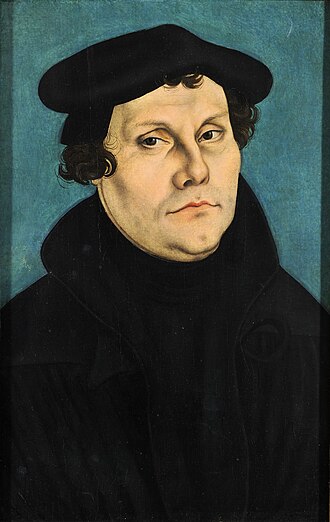
Every year on November 10, the world commemorates the extraordinary life and legacy of Martin Luther (German Theologian, Priest, Professor & Pioneer of the Protestant Reformation). Celebrated across Germany and worldwide for defining contributions to history, their life remains an inspiring beacon of human courage, vision, and excellence.
Fast Facts & Historical Significance
- Profession & Arena: German Theologian, Priest, Professor & Pioneer of the Protestant Reformation
- Nation of Origin: Germany
- Historic Category: history
- Historical Milestone: Celebrated on November 10 for enduring world impact
1. Early Foundations, Background & Formative Years
Martin Luther was born on November 10, 1483, in Eisleben, Saxony. Initially studying law at the University of Erfurt, a terrifying close encounter with a lightning bolt in 1505 compelled him to enter an Augustinian monastery. Ordained as a Catholic priest in 1507, Luther earned his doctorate in theology and became Professor of Biblical Theology at the University of Wittenberg in 1512.
Luther's spiritual crisis over the nature of salvation led him to conclude that justification is granted by God's grace alone through faith (sola fide), rather than through ecclesiastical works or indulgences. On October 31, 1517, he posted his Ninety-five Theses on the door of All Saints' Church in Wittenberg, protesting the predatory sale of papal indulgences by Johann Tetzel. When summoned to recant at the Diet of Worms in 1521 before Holy Roman Emperor Charles V, Luther famously declared: 'Unless I am convinced by the testimony of the Scriptures or by clear reason... I cannot and will not recant anything. Here I stand; I can do no other. God help me. Amen.'
Hidden at the Wartburg Castle under the protection of Elector Frederick the Wise, Luther translated the New Testament from ancient Greek into German in just ten weeks. His translation created a unified High German literary standard, democratized religious literacy, and inspired sweeping liturgical, musical, and social reforms across Europe.
Growing up in Germany, Martin Luther was guided by an innate curiosity, unwavering discipline, and a refusal to accept mediocrity. These formative experiences forged the intellectual and moral bedrock that would later define their world-changing accomplishments.
2. Defining Achievements & Global Career Breakthroughs
Across decades of dedicated service and relentless practice, Martin Luther redefined standards of excellence in history. Whether breaking barriers, innovating masterworks, or transforming public perception, their career represents the pinnacle of professional dedication.
3. Philosophy, Quotations & Guiding Worldview
Throughout their life, Martin Luther articulated profound insights into human potential, creative resilience, and moral responsibility. Their words continue to offer timeless guidance for succeeding generations.
4. Key Milestones & Notable Works
- Posted the Ninety-five Theses challenging papal indulgences (1517)
- Translated the complete Bible into vernacular High German (1534)
- Penned foundational Reformation treatise 'On the Freedom of a Christian' (1520)
- Composed the enduring Protestant hymn 'A Mighty Fortress Is Our God' (Ein feste Burg ist unser Gott)
- Authored the Small Catechism and Large Catechism for family and pastoral instruction (1529)
5. The Enduring Legacy of Martin Luther
Generations of practitioners, scholars, and future leaders trace their inspiration directly to the path blazed by Martin Luther. Their courage reminds us that true greatness requires relentless perseverance, creative boldness, and a lifelong commitment to uplifting humanity.