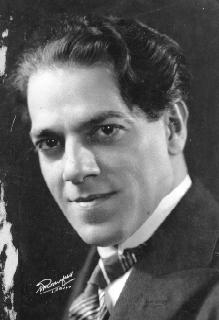
Heitor Villa-Lobos (1887 – 1959) was a towering figure in Brazil and world history, widely celebrated as Brazilian Classical Composer, Conductor, Cellist, and Classical Guitarist. Their transformative contributions left an enduring imprint on human civilization.
At a Glance: Heitor Villa-Lobos
Major Historical Impact & Defining Contributions
Born on March 5, 1887, in Rio de Janeiro, Heitor Villa-Lobos learned cello and clarinet from his father, an amateur librarian and musician. Following his father's sudden death, Villa-Lobos made his living playing cello in Rio's cafe and theater orchestras, while running with street musicians (chorões), learning the improvisational guitar rhythms of the choro. Between 1905 and 1912, he undertook extensive expeditions deep into the Amazon basin, the Northeast Sertão, and the interior of Brazil, absorbing the songs of indigenous tribes, Afro-Brazilian rituals, and rural folk ballads. In 1922, during the seminal Modern Art Week (Semana de Arte Moderna) in São Paulo, Villa-Lobos electrified and scandalized the cultural establishment with his radically original, polytonal compositions. In 1923, sponsored by Brazilian patrons, he arrived in Paris, declaring with typical swagger: 'I have not come to learn; I have come to show what I have done.' In Paris, his vibrant orchestral colors, wild percussion, and tropical polyphony captivated Maurice Ravel, Florent Schmitt, and audiences across Europe. Returning to Brazil in 1930, Villa-Lobos was appointed director of musical education under the Vargas administration, designing mass choral singing programs for hundreds of thousands of schoolchildren to instill national pride. Between 1930 and 1945, he composed his crowning achievement: the nine suites of 'Bachianas Brasileiras', fusing the Baroque contrapuntal architecture of J.S. Bach with the lush lyrical soul of Brazil—most famously the radiant Aria (Cantilena) from No. 5 for soprano and eight cellos. His fourteen 'Chôros' works revolutionized modern orchestration with traditional Brazilian percussion instruments. Prolific to the end, composing over 2,000 works, Villa-Lobos died in Rio de Janeiro on November 17, 1959, at age seventy-two, celebrated as Brazil's undisputed musical soul.
Key Milestones, Works & Enduring Achievements
Throughout an extraordinary journey, Heitor Villa-Lobos established landmark milestones that continue to inspire scholars, creators, and leaders:
- Bachianas Brasileiras (Nine Suites, 1930–1945 - Fusing J.S. Bach with Brazilian folk soul)
- Chôros Series (Fourteen Works, 1920–1929 - Monumental tropical orchestral synthesis)
- Twelve Études for Guitar (1929 - Dedicated to Andrés Segovia, pillar of guitar repertoire)
- Uirapuru (Symphonic Poem, 1917 - Amazonian folklore masterpiece)
- Mass Choral Education Program for Brazilian Schools (Guia Prático, 1932)
Enduring Philosophy & Timeless Words
Reflecting on human nature, duty, and excellence, Heitor Villa-Lobos also observed:
Read All Curated Quotes & Tributes
Explore our comprehensive collection of inspiring quotes, personal reflections, and historical tributes honoring Heitor Villa-Lobos on November 17.