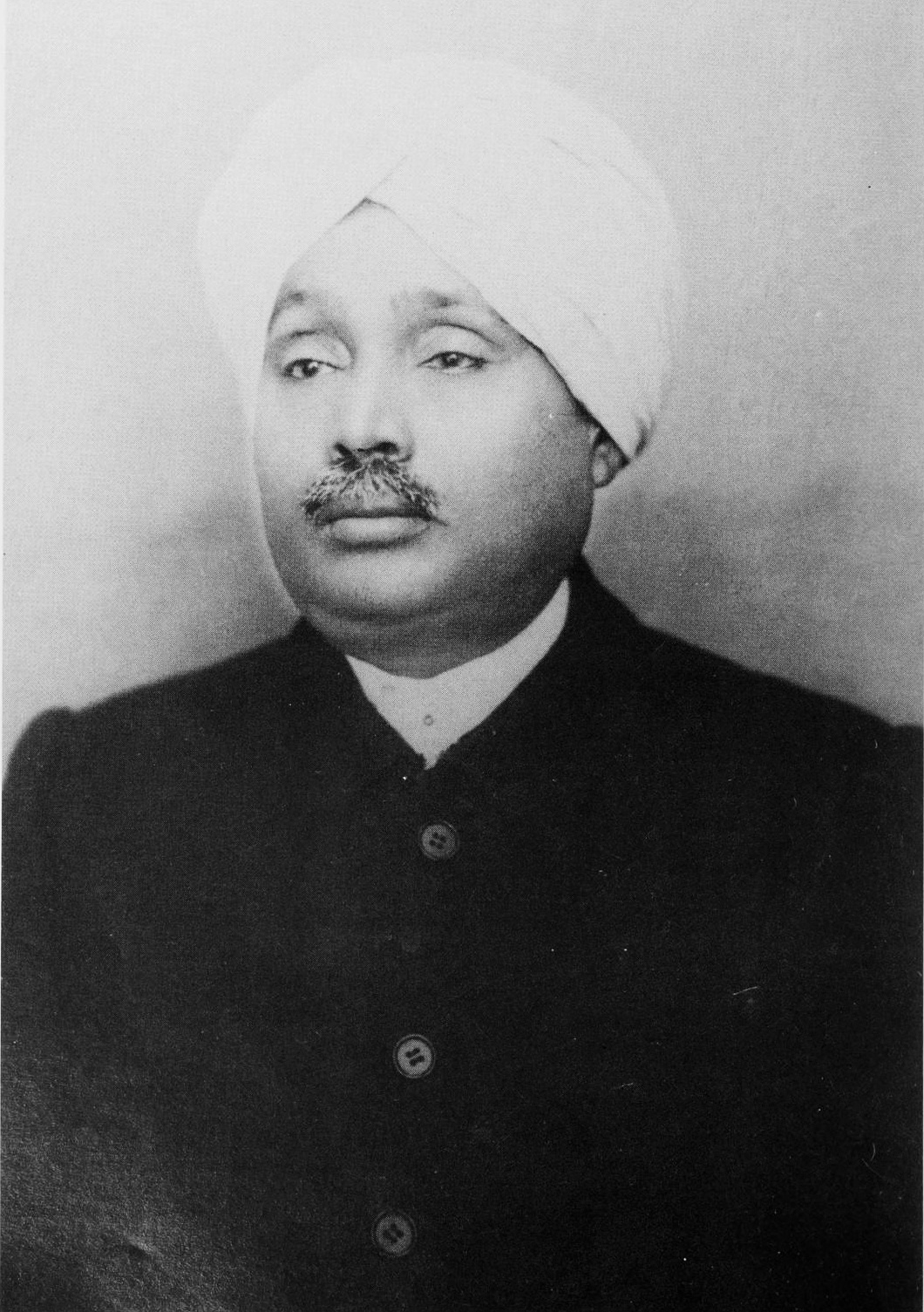
Lala Lajpat Rai (1865 – 1928) was a towering figure in India and world history, widely celebrated as Indian Nationalist Leader, Freedom Fighter, Author, and Philanthropist. Their transformative contributions left an enduring imprint on human civilization.
At a Glance: Lala Lajpat Rai
Major Historical Impact & Defining Contributions
Born on January 28, 1865, in the village of Dhudike in Punjab, Lala Lajpat Rai studied law at Government College, Lahore, where he was deeply influenced by the reformist ideals of Swami Dayananda Saraswati and the Arya Samaj. Establishing a lucrative legal practice in Hissar and Lahore, Lajpat Rai abandoned wealth to dedicate his life to social reform, famine relief, and national liberation. Alongside Bal Gangadhar Tilak of Maharashtra and Bipin Chandra Pal of Bengal, Lajpat Rai formed the legendary 'Lal-Bal-Pal' triumvirate within the Indian National Congress, breaking away from the moderate mendicant policy of petitions to demand Swadeshi (indigenous goods), national education, and complete Swaraj (self-rule). In 1894, he played a central role in establishing the Punjab National Bank—the first swadeshi bank managed entirely by Indian capital. In 1886, he co-founded the Dayanand Anglo-Vedic (DAV) College Trust to provide modern scientific education fused with Indian cultural heritage. Exiled to Burma in 1907 by the British for agrarian protests, Lajpat Rai later spent World War I in the United States, founding the Indian Home Rule League of America in New York and publishing the monthly journal 'Young India' to educate international opinion against British colonialism. In 1920, he was elected President of the Indian National Congress at its historic Special Session in Calcutta, endorsing Mahatma Gandhi's Non-Cooperation Movement, and in 1921 founded the Servants of the People Society. On October 30, 1928, Lajpat Rai led a peaceful, non-violent demonstration in Lahore protesting the all-British Simon Commission. Under orders from British police superintendent James A. Scott, officers launched a brutal lathi charge; Deputy Superintendent J.A. Scott struck Lajpat Rai repeatedly on the chest and head. Speaking to a mammoth crowd that evening, Lajpat Rai delivered his prophetic final words: 'I declare that the blows struck at me today will be the last nails in the coffin of British rule in India.' Succumbing to his severe injuries on November 17, 1928, at age sixty-three, his martyrdom sparked widespread national outrage, inspiring Bhagat Singh, Sukhdev, and Rajguru to avenge his death and launching the final heroic chapter of India's freedom struggle.
Key Milestones, Works & Enduring Achievements
Throughout an extraordinary journey, Lala Lajpat Rai established landmark milestones that continue to inspire scholars, creators, and leaders:
- Pillar of the Lal-Bal-Pal Nationalist Triumvirate (Pioneering Swadeshi and Swaraj)
- Founding of Punjab National Bank (First indigenous Indian bank, 1894)
- Establishment of the Servants of the People Society (Lok Sevak Mandal, 1921)
- President of the Indian National Congress (Special Session, Calcutta, 1920)
- Author of 'Unhappy India' (1928), 'Young India' (1916), and 'The Story of My Deportation' (1908)
Enduring Philosophy & Timeless Words
Reflecting on human nature, duty, and excellence, Lala Lajpat Rai also observed:
Read All Curated Quotes & Tributes
Explore our comprehensive collection of inspiring quotes, personal reflections, and historical tributes honoring Lala Lajpat Rai on November 17.