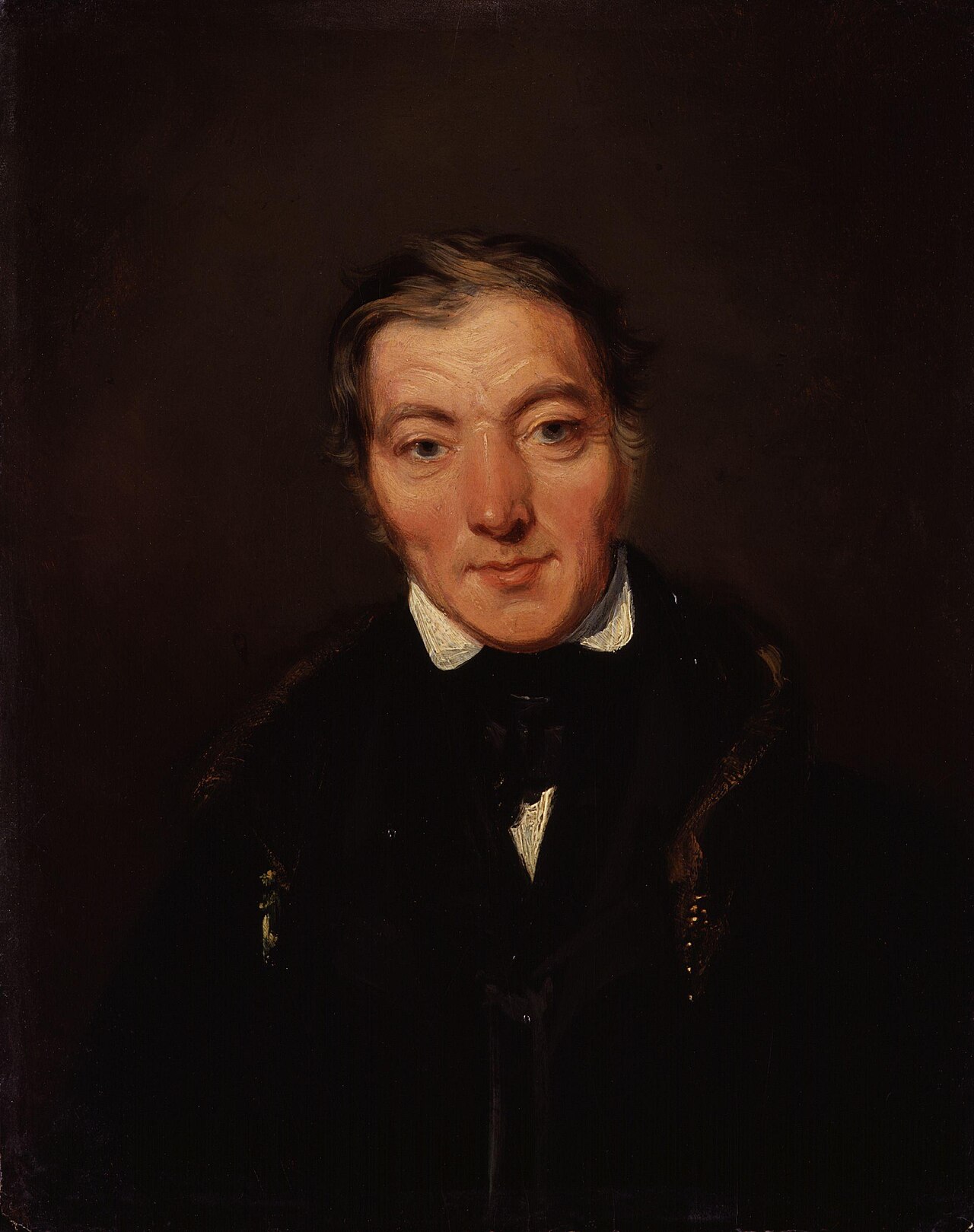
Robert Owen (1771 – 1858) was a towering figure in United Kingdom and world history, widely celebrated as Welsh Textile Industrialist, Philanthropic Social Reformer, and Father of the Cooperative Movement. Their transformative contributions left an enduring imprint on human civilization.
At a Glance: Robert Owen
Major Historical Impact & Defining Contributions
Born on May 14, 1771, in Newtown, Wales, the sixth of seven children of a saddler and ironmonger, Robert Owen demonstrated brilliant entrepreneurial aptitude, becoming manager of a major Manchester cotton mill at just twenty-one years old. In 1799, Owen and his partners purchased the New Lanark cotton mills near the Falls of Clyde in Scotland from his father-in-law David Dale. Shocked by the brutal exploitation of child labor, alcoholism, and squalid living conditions typical of the early Industrial Revolution, Owen resolved to prove that business profitability and enlightened humanitarian conditions were mutually reinforcing. At New Lanark, Owen abolished child labor under age ten, reduced working hours to ten hours a day, banned corporal punishment, built clean housing, and opened a non-profit company cooperative grocery store selling wholesome food at cost price (the precursor to the modern cooperative movement). In 1816, he opened the 'Institution for the Formation of Character' at New Lanark, housing the world's first infant nursery school and playground, where children learned through music, dancing, nature study, and play rather than rote memorization. In 1817, witnessing the rise of machine-induced unemployment, Owen formulated his famous labor slogan: 'Eight hours labour, Eight hours recreation, Eight hours rest.' In 1825, Owen invested the majority of his personal fortune to purchase 30,000 acres in Indiana to establish 'New Harmony', an experimental egalitarian cooperative community. Although New Harmony dissolved within three years due to internal factional disputes, Owen returned to Britain to become the intellectual patron of the burgeoning British trade union movement, supporting the Grand National Consolidated Trades Union (1834) and inspiring the Rochdale Pioneers (1844), who codified the modern cooperative principles. Passing away on November 17, 1858, in his hometown of Newtown at age eighty-seven, Owen is remembered as a visionary prophet of humane industrialism, public education, and workplace democracy.
Key Milestones, Works & Enduring Achievements
Throughout an extraordinary journey, Robert Owen established landmark milestones that continue to inspire scholars, creators, and leaders:
- The New Lanark Social Experiment (Humane industrial model and world's first nursery school, 1800–1824)
- A New View of Society; or, Essays on the Principle of the Formation of the Human Character (1813)
- Pioneering the Universal Labor Slogan: 'Eight Hours Labour, Eight Hours Recreation, Eight Hours Rest' (1817)
- The New Harmony Cooperative Community Experiment in Indiana (1825–1828)
- Intellectual Foundation of the British Cooperative Movement and Grand National Trades Union (1834)
Enduring Philosophy & Timeless Words
Reflecting on human nature, duty, and excellence, Robert Owen also observed:
Read All Curated Quotes & Tributes
Explore our comprehensive collection of inspiring quotes, personal reflections, and historical tributes honoring Robert Owen on November 17.