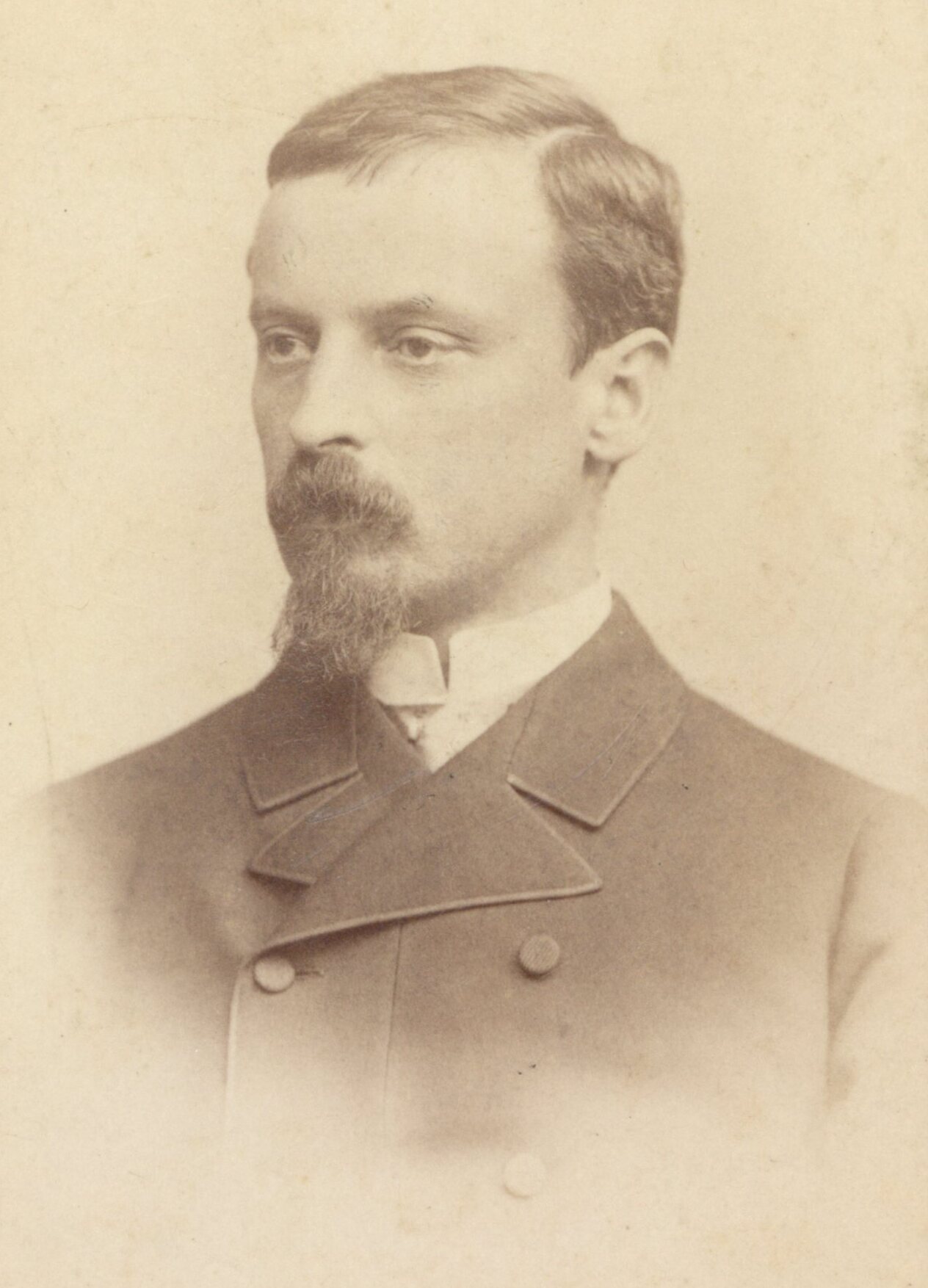
Henryk Sienkiewicz (1846 – 1916) was a towering figure in Poland and world history, widely celebrated as Polish Novelist, Journalist & Nobel Prize in Literature Laureate (1905). Their transformative contributions left an enduring imprint on human civilization.
At a Glance: Henryk Sienkiewicz
Major Historical Impact & Defining Contributions
Born on May 5, 1846, in Wola Okrzejska into an impoverished noble family, Henryk Sienkiewicz studied philology and history at the Imperial University of Warsaw. Working as a traveling feuilletonist and journalist, he journeyed across the United States in the late 1870s, sending home vivid dispatch letters. Deeply distressed by the cultural Russification and Germanization imposed on partitioned Poland, Sienkiewicz dedicated his narrative genius to writing sweeping historical epics 'to uplift the hearts' (ku pokrzepieniu serc) of his stateless countrymen. Between 1884 and 1888, he serialized his legendary 'Trilogy': 'With Fire and Sword' (Ogniem i mieczem), 'The Deluge' (Potop), and 'Sir Michael' (Pan Wołodyjowski), depicting 17th-century Polish-Lithuanian Commonwealth heroes battling Cossack, Swedish, and Ottoman invasions. In 1896, Sienkiewicz achieved worldwide acclaim with 'Quo Vadis', a breathtaking historical novel set in Nero's ancient Rome exploring the spiritual triumph of early Christian martyrs over imperial decadence. Translated into more than 50 languages, 'Quo Vadis' inspired multiple Hollywood blockbusters. In 1905, Sienkiewicz was awarded the Nobel Prize in Literature 'because of his outstanding merits as an epic writer'. During World War I, he co-founded the General Relief Committee for the Victims of the War in Poland. He passed away on November 15, 1916, in Vevey, Switzerland; his remains were later returned with sovereign honors to the crypt of St. John's Archcathedral in Warsaw.
Key Milestones, Works & Enduring Achievements
Throughout an extraordinary journey, Henryk Sienkiewicz established landmark milestones that continue to inspire scholars, creators, and leaders:
- Quo Vadis (1896 - International literary sensation, Nobel Prize citation piece)
- The Trilogy: With Fire and Sword, The Deluge, Sir Michael (1884–1888)
- The Knights of the Cross (Krzyżacy, 1900 - Epic of the 1410 Battle of Grunwald)
- In Desert and Wilderness (W pustyni i w puszczy, 1911 - Classic youth adventure)
- Nobel Prize in Literature (1905 - First Polish writer to win the honor)
Enduring Philosophy & Timeless Words
Reflecting on human nature, duty, and excellence, Henryk Sienkiewicz also observed:
Read All Curated Quotes & Tributes
Explore our comprehensive collection of inspiring quotes, personal reflections, and historical tributes honoring Henryk Sienkiewicz on November 15.