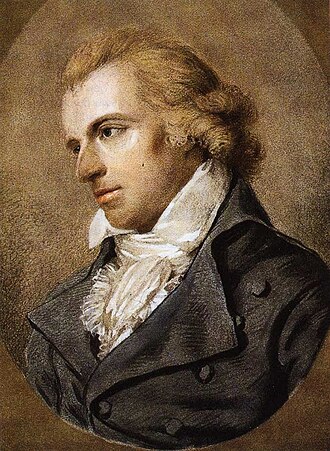
Every year on November 10, the world commemorates the extraordinary life and legacy of Friedrich Schiller (German Poet, Playwright, Philosopher, Historian & Titan of Weimar Classicism). Celebrated across Germany and worldwide for defining contributions to literature, their life remains an inspiring beacon of human courage, vision, and excellence.
Fast Facts & Historical Significance
- Profession & Arena: German Poet, Playwright, Philosopher, Historian & Titan of Weimar Classicism
- Nation of Origin: Germany
- Historic Category: literature
- Historical Milestone: Celebrated on November 10 for enduring world impact
1. Early Foundations, Background & Formative Years
Johann Christoph Friedrich von Schiller was born on November 10, 1759, in Marbach am Neckar. Conscripted into Duke Karl Eugen's elite military academy (Karlsschule) to study medicine, Schiller secretly nurtured a burning passion for literature. In 1781, he published his revolutionary drama Die Räuber (The Robbers), an explosive critique of feudal tyranny that made him an overnight sensation across German lands.
Fleeing Württemberg to escape arrest, Schiller led a nomadic intellectual life before settling in Jena and Weimar, where he developed a legendary creative friendship with Johann Wolfgang von Goethe. Together, they established Weimar Classicism, seeking to synthesize Enlightenment rationalism with classical Greek harmony. During this golden period, Schiller wrote monumental dramatic masterpieces including the Wallenstein trilogy, Maria Stuart, and Wilhelm Tell.
In philosophy, Schiller's Letters upon the Aesthetic Education of Man (1795) posited that political freedom could only be achieved through aesthetic refinement—that art harmonizes humanity's sensory impulses and rational nature. His 1785 hymn An die Freude (Ode to Joy) became an eternal testament to universal brotherhood when Ludwig van Beethoven incorporated it into the climactic movement of his Ninth Symphony.
Growing up in Germany, Friedrich Schiller was guided by an innate curiosity, unwavering discipline, and a refusal to accept mediocrity. These formative experiences forged the intellectual and moral bedrock that would later define their world-changing accomplishments.
2. Defining Achievements & Global Career Breakthroughs
Across decades of dedicated service and relentless practice, Friedrich Schiller redefined standards of excellence in literature. Whether breaking barriers, innovating masterworks, or transforming public perception, their career represents the pinnacle of professional dedication.
3. Philosophy, Quotations & Guiding Worldview
Throughout their life, Friedrich Schiller articulated profound insights into human potential, creative resilience, and moral responsibility. Their words continue to offer timeless guidance for succeeding generations.
4. Key Milestones & Notable Works
- Penned the immortal poem 'An die Freude' (Ode to Joy, 1785), immortalized in Beethoven's 9th Symphony
- Authored groundbreaking Sturm und Drang tragedy 'Die Räuber' (The Robbers, 1781)
- Wrote the monumental historical dramatic trilogy 'Wallenstein' (1799)
- Created the national Swiss freedom play 'Wilhelm Tell' (1804)
- Authored foundational philosophical treatise 'Letters on the Aesthetic Education of Man' (1795)
5. The Enduring Legacy of Friedrich Schiller
Generations of practitioners, scholars, and future leaders trace their inspiration directly to the path blazed by Friedrich Schiller. Their courage reminds us that true greatness requires relentless perseverance, creative boldness, and a lifelong commitment to uplifting humanity.