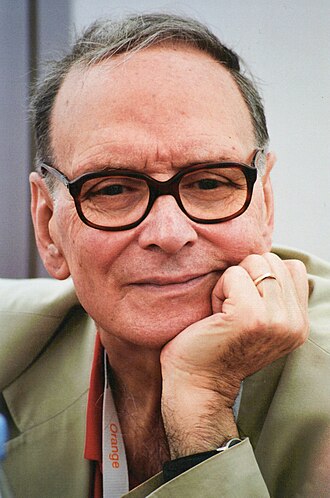
Every year on November 10, the world commemorates the extraordinary life and legacy of Ennio Morricone (Italian Composer, Conductor, Trumpeter & Legendary Film Score Maestro). Celebrated across Italy and worldwide for defining contributions to music, their life remains an inspiring beacon of human courage, vision, and excellence.
Fast Facts & Historical Significance
- Profession & Arena: Italian Composer, Conductor, Trumpeter & Legendary Film Score Maestro
- Nation of Origin: Italy
- Historic Category: music
- Historical Milestone: Celebrated on November 10 for enduring world impact
1. Early Foundations, Background & Formative Years
Ennio Morricone was born on November 10, 1928, in Rome. Trained as a classical trumpeter and composer at the prestigious Accademia Nazionale di Santa Cecilia under Goffredo Petrassi, he began his career arranging pop songs for RCA Italiana and composing experimental music with the avant-garde improvisation collective Gruppo di Improvvisazione Nuova Consonanza.
Morricone's global breakthrough occurred in 1964 with Sergio Leone's A Fistful of Dollars, inaugurating the Spaghetti Western genre. Operating on shoestring budgets, Morricone boldly replaced standard Hollywood orchestral lushness with unconventional sonic textures: whistling, jaw harps, gunshots, cracking whips, electric guitars, and Edda Dell'Orso's ethereal wordless soprano. His scores for The Good, the Bad and the Ugly and Once Upon a Time in the West became defining milestones in cinematic history.
Over a six-decade career, Morricone demonstrated astonishing versatility, composing the sacred oboe themes of The Mission, the nostalgic romance of Cinema Paradiso, and the ominous synth dread of John Carpenter's The Thing. He received an Academy Honorary Award in 2007 and won the Academy Award for Best Original Score for Quentin Tarantino's The Hateful Eight in 2016 at the age of 87.
Growing up in Italy, Ennio Morricone was guided by an innate curiosity, unwavering discipline, and a refusal to accept mediocrity. These formative experiences forged the intellectual and moral bedrock that would later define their world-changing accomplishments.
2. Defining Achievements & Global Career Breakthroughs
Across decades of dedicated service and relentless practice, Ennio Morricone redefined standards of excellence in music. Whether breaking barriers, innovating masterworks, or transforming public perception, their career represents the pinnacle of professional dedication.
3. Philosophy, Quotations & Guiding Worldview
Throughout their life, Ennio Morricone articulated profound insights into human potential, creative resilience, and moral responsibility. Their words continue to offer timeless guidance for succeeding generations.
4. Key Milestones & Notable Works
- Composed the legendary score for Sergio Leone's 'The Good, the Bad and the Ugly' (1966)
- Created the operatic score for 'Once Upon a Time in the West' (1968)
- Scored the emotional masterpiece 'Cinema Paradiso' directed by Giuseppe Tornatore (1988)
- Composed the acclaimed orchestral score for 'The Mission' including 'Gabriel's Oboe' (1986)
- Won the Academy Award for Best Original Score for 'The Hateful Eight' (2015)
5. The Enduring Legacy of Ennio Morricone
Generations of practitioners, scholars, and future leaders trace their inspiration directly to the path blazed by Ennio Morricone. Their courage reminds us that true greatness requires relentless perseverance, creative boldness, and a lifelong commitment to uplifting humanity.