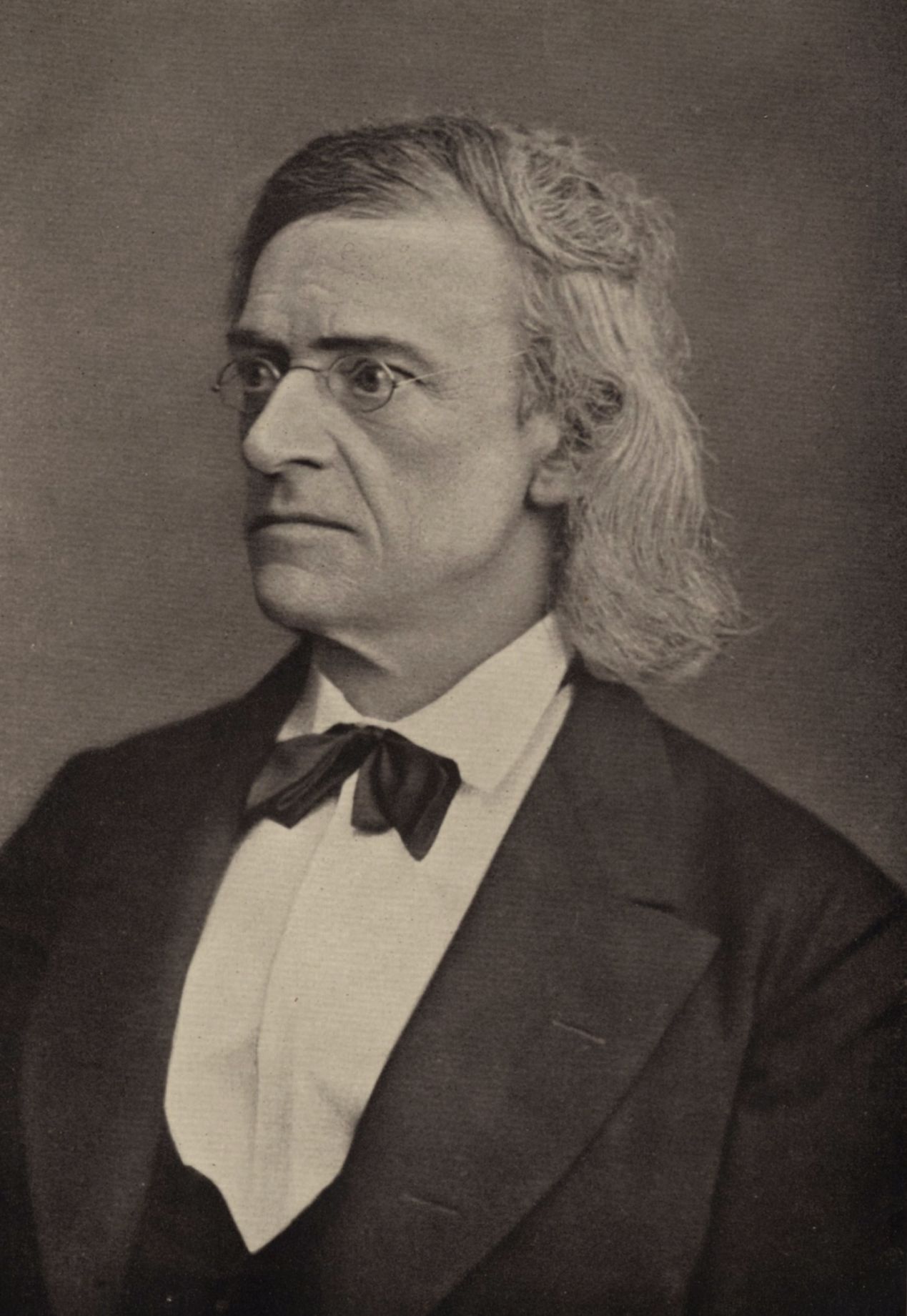
Celebrated across the world on November 1, Theodor Mommsen (Classical Historian, Jurist & Nobel Prize in Literature Laureate (1902) for A History of Rome) stands as an enduring emblem of excellence, perseverance, and historical transformation.
Biographical Journey & Early Roots
Christian Matthias Theodor Mommsen was born on November 30, 1817, in Garding, Schleswig. Studying jurisprudence and classical philology at the University of Kiel, Mommsen revolutionized historical science by insisting on empirical epigraphy—analyzing thousands of surviving stone inscriptions, coins, and legal codes rather than relying solely on secondhand literary manuscripts.
Between 1854 and 1856, Mommsen published the first three volumes of 'Römische Geschichte' (A History of Rome), a work of breathtaking narrative power, psychological insight, and scholarly brilliance that made Roman history vivid to modern readers. In 1863, he founded the monumental 'Corpus Inscriptionum Latinarum' (CIL), collecting over 180,000 Roman inscriptions across 16 volumes.
In 1902, Mommsen became the second recipient—and the oldest at age 85—of the Nobel Prize in Literature, 'the greatest living master of the art of historical writing'. He was also a progressive liberal member of the Prussian Parliament who fiercely denounced anti-Semitism. He died in Charlottenburg on November 1, 1903.
Hallmark Achievements & Notable Works
- Awarded the Nobel Prize in Literature (1902) for the monumental masterpiece "A History of Rome"
- Created the "Corpus Inscriptionum Latinarum" (CIL), the definitive collection of Roman Latin inscriptions
- Authored "Römisches Staatsrecht" (Roman Constitutional Law), the bedrock of Roman jurisprudence
- Published over 1,500 groundbreaking scholarly works on classical antiquity and numismatics
- Progressive deputy in the Prussian Parliament, championing academic freedom and opposing anti-Semitism
Cultural Resonance & Global Impact
The contributions of Theodor Mommsen continue to inspire millions across Germany and the international community. Whether pioneering artistic forms, defending human rights, or demonstrating unparalleled leadership, their life serves as a timeless masterclass in human dedication.
As we celebrate November 1, we honor not only their recorded achievements but also the enduring standard of courage, intellect, and creativity they gifted to future generations.