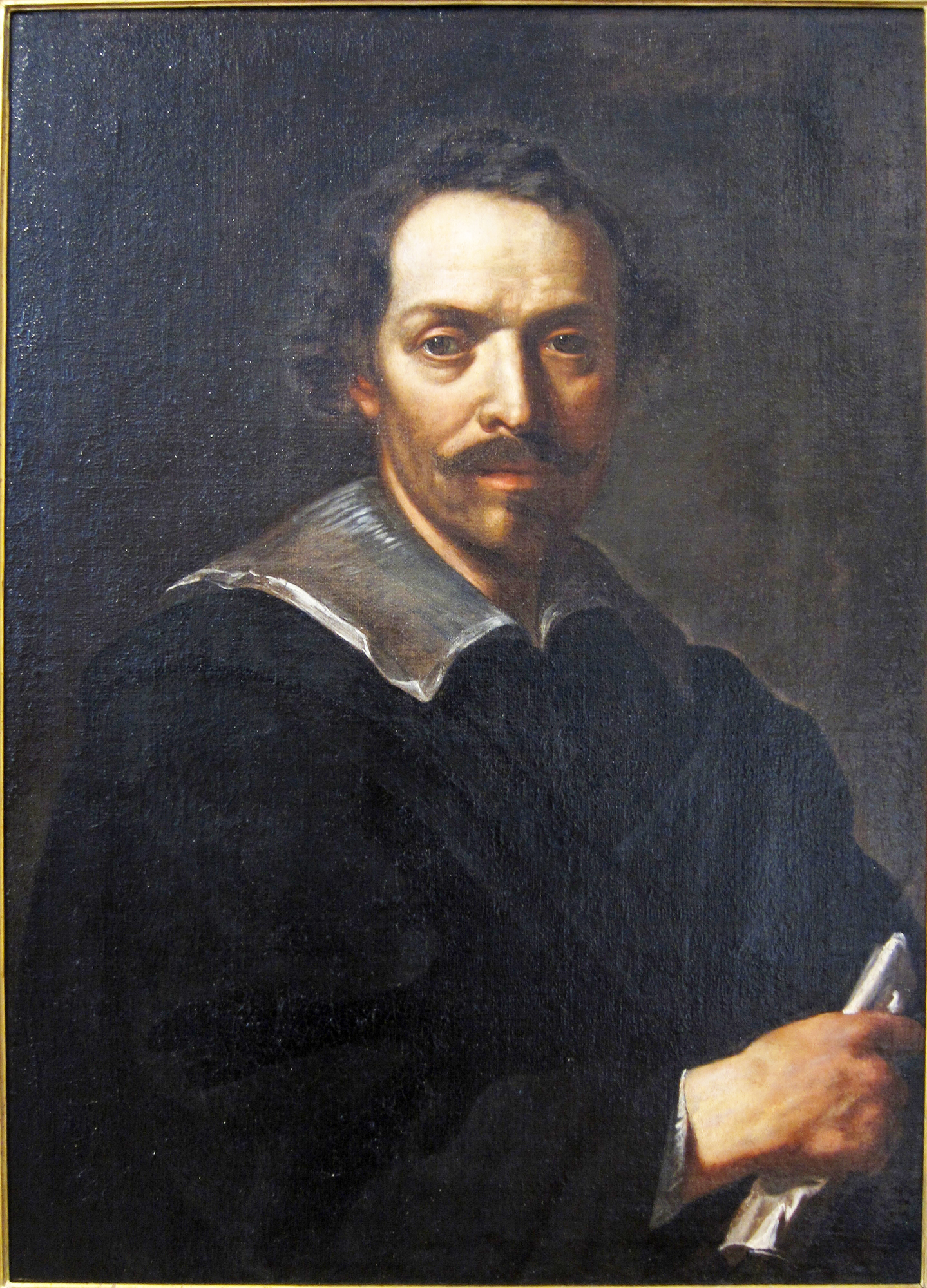
Celebrated across the world on November 1, Jan Brożek (Polish Polymath, Mathematician, Astronomer, Physician & Biographer of Nicolaus Copernicus) stands as an enduring emblem of excellence, perseverance, and historical transformation.
Biographical Journey & Early Roots
Jan Brożek was born on November 1, 1585, in Kurzelów, Poland. Educated at the Jagiellonian University in Kraków, he became a professor of mathematics and astronomy at age 29, later traveling to the University of Padua to complete his doctorate in medicine in 1624.
Brożek was the foremost Polish mathematician of the 17th century, authoring 'Arithmetica integrorum' and investigating perfect numbers, amicable numbers, and geometric optimization. He was fascinated by the geometry of nature, proving mathematically why honeybees build hexagonal honeycombs rather than square or triangular cells to maximize volume while minimizing wax consumption.
A passionate champion of heliocentrism, Brożek traveled across Warmia in 1618, gathering Copernicus's surviving correspondence, books, and astronomical papers, becoming Copernicus's first early biographer. He served as Rector of Jagiellonian University from 1639 to 1641.
Hallmark Achievements & Notable Works
- Foremost Polish mathematician and astronomer of the 17th century, serving as Rector of Jagiellonian University
- First major early biographer and collector of the manuscripts and legacy of Nicolaus Copernicus (1618)
- Authored the mathematical treatise "Arithmetica integrorum" (1634)
- Proved the mathematical efficiency of hexagonal honeycomb structures built by bees (Honeycomb Conjecture)
- Pioneered early investigations into perfect numbers and logarithmic computation in Central Europe
Cultural Resonance & Global Impact
The contributions of Jan Brożek continue to inspire millions across Poland and the international community. Whether pioneering artistic forms, defending human rights, or demonstrating unparalleled leadership, their life serves as a timeless masterclass in human dedication.
As we celebrate November 1, we honor not only their recorded achievements but also the enduring standard of courage, intellect, and creativity they gifted to future generations.