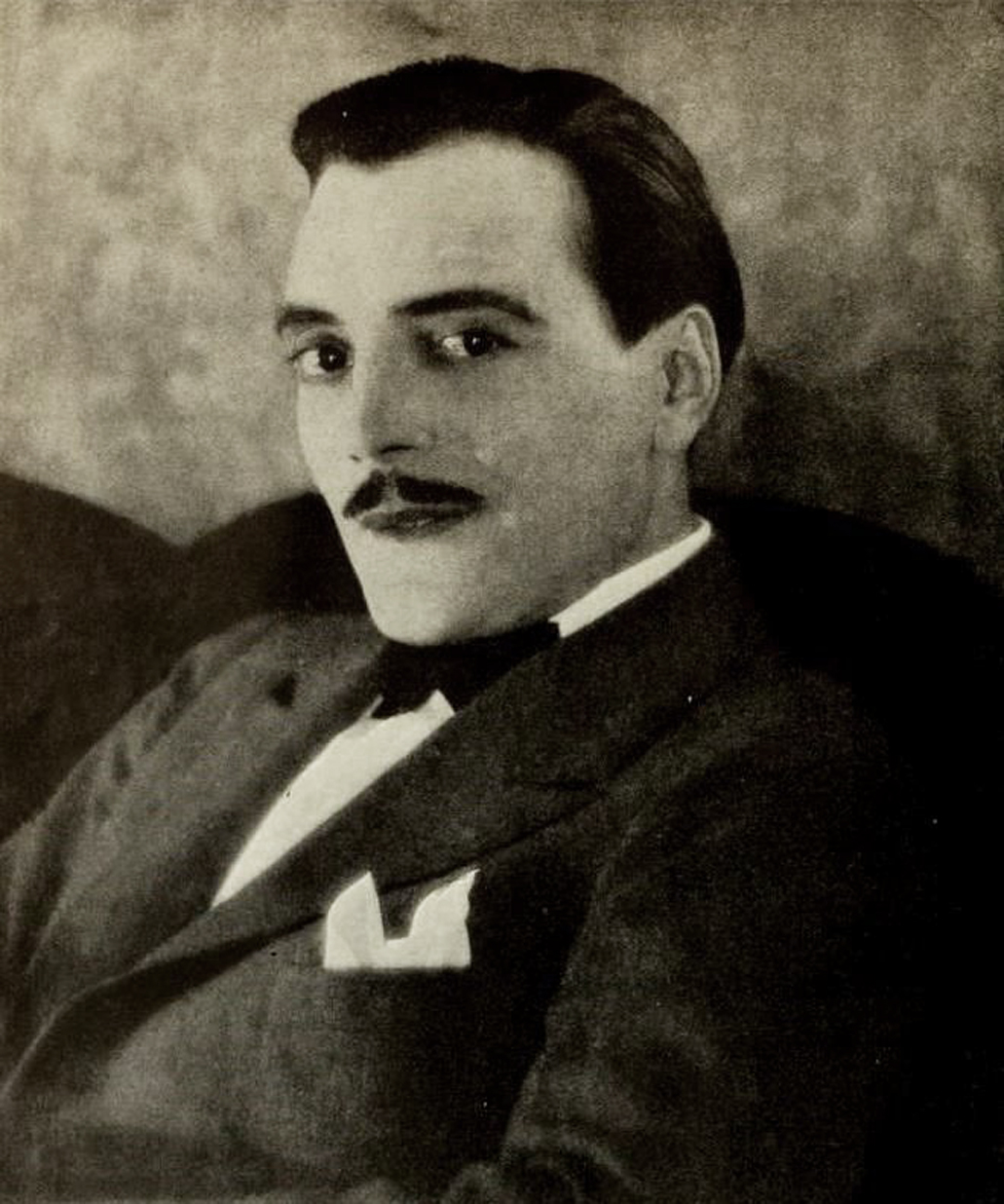
Celebrated across the world on November 1, Max Linder (Pioneer of Silent Screen Comedy, Film Director, Actor & Profound Influence on Charlie Chaplin) stands as an enduring emblem of excellence, perseverance, and historical transformation.
Biographical Journey & Early Roots
Gabriel-Maximilien Leuvielle was born on December 16, 1883, in Saint-Loubès, near Bordeaux, France. Trained at the Bordeaux Conservatory, he began acting in Paris theaters before joining Pathé Frères in 1905, just as motion pictures were transitioning into narrative storytelling.
Linder created the character of 'Max'—a suave, handsome Parisian dandy clad in top hat, spats, and silk cravat who perpetually found himself caught in farcical, embarrassing predicaments. Between 1907 and 1914, Linder directed and starred in hundreds of short films, becoming the highest-paid entertainer and first genuine worldwide cinema celebrity.
His visual comedy—grounded in character, physical dexterity, and sophisticated situational humor—revolutionized comedy. When Chaplin began making movies, he openly acknowledged his debt to Linder, sending him a portrait signed: 'To Max, the master, from his disciple, Charlie Chaplin.' After suffering severe trauma and poison gas poisoning while serving in World War I, Linder died tragically in Paris on November 1, 1925.
Hallmark Achievements & Notable Works
- First international cinema superstar, creating the dapper comic persona "Max" across 400+ films
- Direct mentor and primary comedic inspiration for Charlie Chaplin and Buster Keaton
- Directed and starred in comedy masterpieces: "The Three Must-Get-Theres" (1922) and "Seven Years Bad Luck" (1921)
- Invented the classic "mirror gag" comedy routine later famously used by the Marx Brothers in Duck Soup
- Pioneered narrative film directing techniques, tracking shots, and character-driven slapstick comedy
Cultural Resonance & Global Impact
The contributions of Max Linder continue to inspire millions across France and the international community. Whether pioneering artistic forms, defending human rights, or demonstrating unparalleled leadership, their life serves as a timeless masterclass in human dedication.
As we celebrate November 1, we honor not only their recorded achievements but also the enduring standard of courage, intellect, and creativity they gifted to future generations.