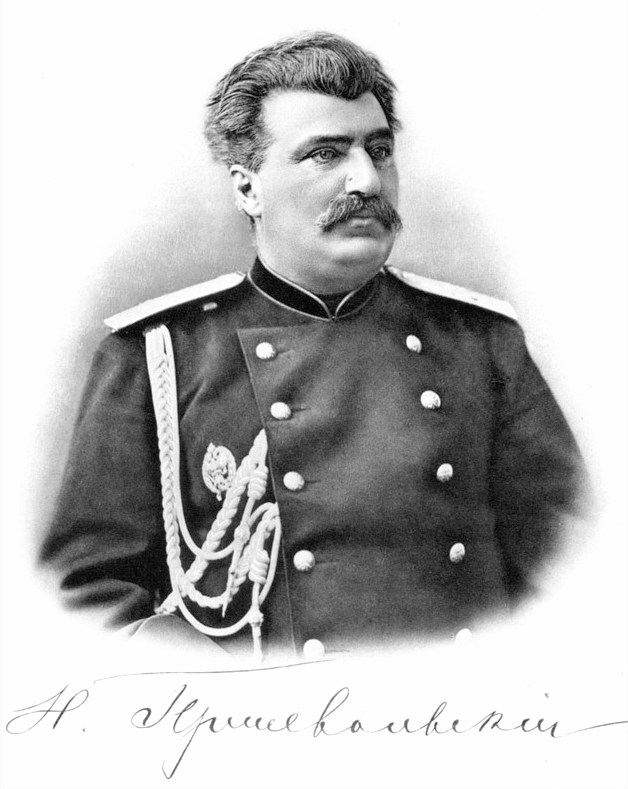
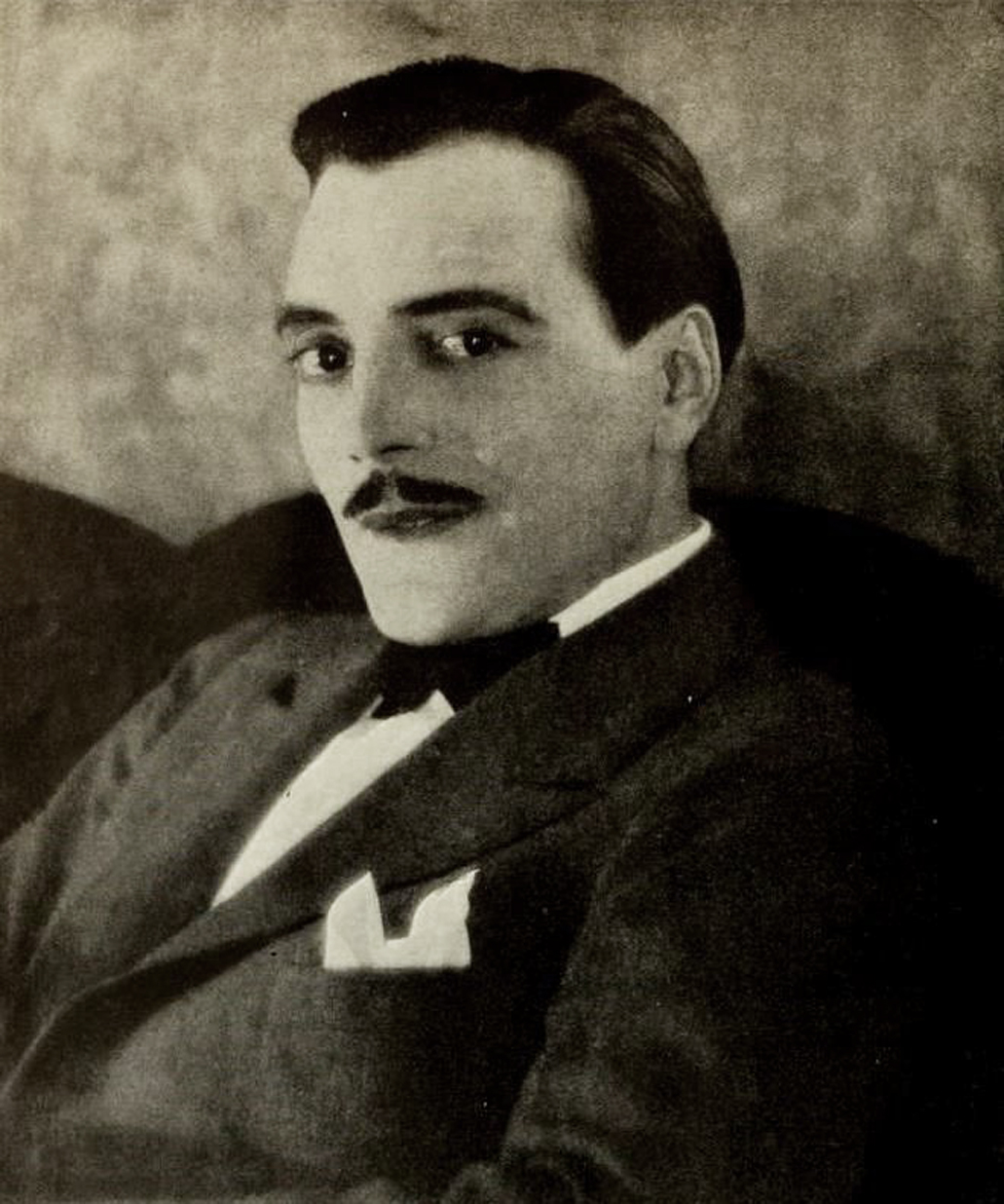
Celebrated across the world on November 1, Hermann Broch (Modernist Novelist, Essayist, Philosopher & Author of The Sleepwalkers) stands as an enduring emblem of excellence, perseverance, and historical transformation.
Biographical Journey & Early Roots
Hermann Broch was born on November 1, 1886, into an affluent Jewish textile family in Vienna. After managing his family's cotton spinning mills for two decades, Broch made the radical decision in 1927 at age 40 to sell the factories and study philosophy, mathematics, and psychology at the University of Vienna.
Between 1931 and 1932, he published his monumental trilogy 'The Sleepwalkers' (Die Schlafwandler), an astonishing exploration of the decay of ethical values in modern European civilization. Following the Nazi annexation of Austria (Anschluss) in 1938, Broch was imprisoned by the Gestapo but rescued through the international intervention of James Joyce, Aldous Huxley, and Thomas Mann.
Exiled to the United States, Broch completed 'The Death of Virgil' (1945) at Princeton, hailed as one of the greatest lyrical prose masterpieces of the 20th century, exploring the dying Roman poet's realization of art's limitations before passing away at Yale in 1951.
Hallmark Achievements & Notable Works
- Authored the philosophical masterwork trilogy "The Sleepwalkers" (Die Schlafwandler, 1931–1932)
- Wrote the epic stream-of-consciousness masterpiece "The Death of Virgil" (Der Tod des Vergil, 1945)
- Authored profound cultural essays on mass hysteria and fascism: "Mass Psychology" (Massenwahntheorie)
- Nominated for the Nobel Prize in Literature in 1950
- Pioneered polyphonic philosophical novels that influenced Milan Kundera and modern world literature
Cultural Resonance & Global Impact
The contributions of Hermann Broch continue to inspire millions across Austria and the international community. Whether pioneering artistic forms, defending human rights, or demonstrating unparalleled leadership, their life serves as a timeless masterclass in human dedication.
As we celebrate November 1, we honor not only their recorded achievements but also the enduring standard of courage, intellect, and creativity they gifted to future generations.