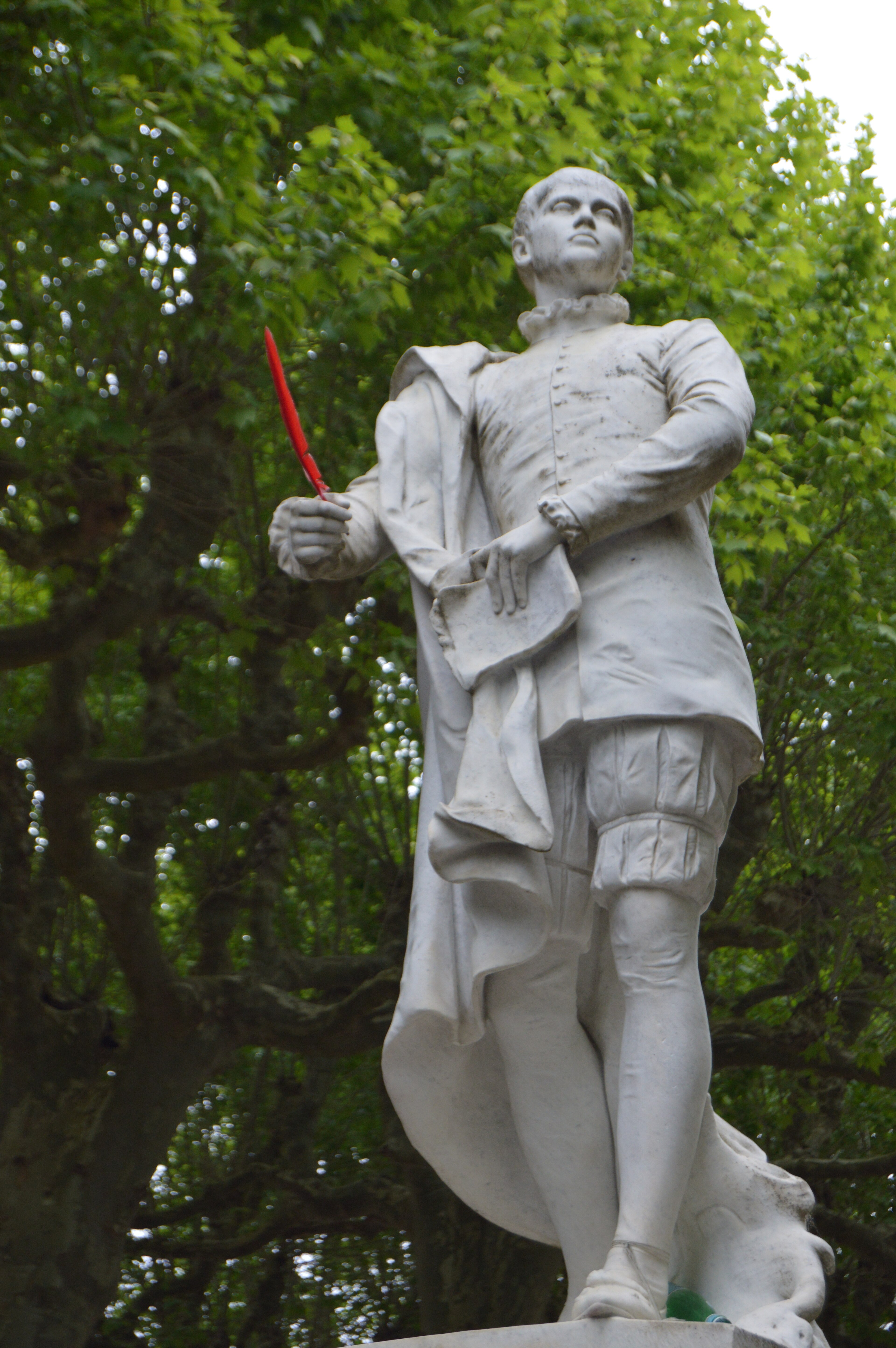
Celebrated across the world on November 1, Étienne de La Boétie (Renaissance Political Philosopher, Judge & Author of Discourse on Voluntary Servitude) stands as an enduring emblem of excellence, perseverance, and historical transformation.
Biographical Journey & Early Roots
Étienne de La Boétie was born on November 1, 1530, in Sarlat, Périgord, France. A prodigy who translated Xenophon and Plutarch into French, La Boétie completed his law studies at the University of Orléans and was appointed by royal patent as a judge in the Parliament of Bordeaux at the remarkably young age of 23.
Around 1548 at approximately age 18, La Boétie composed his immortal masterpiece 'Discours de la servitude volontaire' (Discourse on Voluntary Servitude). In it, he posed the fundamental question of political philosophy: Why do millions of people endure the tyranny of a single ruler who possesses only the power that the people themselves concede to him? He argued that tyrants fall not through violent assassination, but when subjects simply resolve to withdraw their obedience.
His intimate soul-friendship with Michel de Montaigne inspired Montaigne's famous essay 'On Friendship'. La Boétie's philosophy profoundly influenced Leo Tolstoy, Henry David Thoreau, Mahatma Gandhi, and Gene Sharp in developing nonviolent resistance. He passed away of dysentery at age 32 on August 18, 1563.
Hallmark Achievements & Notable Works
- Authored the immortal political philosophy masterpiece "Discourse on Voluntary Servitude" (1576)
- Pioneered the core theory of nonviolent resistance, civil disobedience, and mass non-cooperation
- Served as a distinguished magistrate on the Parliament of Bordeaux (Parlement de Bordeaux)
- Translated classical Greek works of Xenophon and Plutarch into Renaissance French
- Inspired Michel de Montaigne's immortal essay "De l'amitié" (On Friendship)
Cultural Resonance & Global Impact
The contributions of Étienne de La Boétie continue to inspire millions across France and the international community. Whether pioneering artistic forms, defending human rights, or demonstrating unparalleled leadership, their life serves as a timeless masterclass in human dedication.
As we celebrate November 1, we honor not only their recorded achievements but also the enduring standard of courage, intellect, and creativity they gifted to future generations.