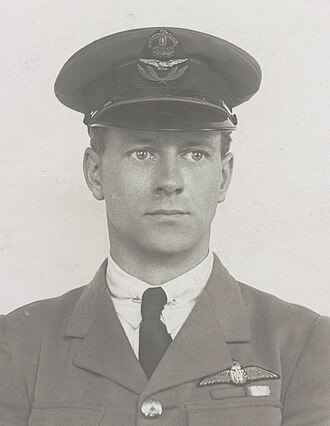
Sir Arthur Whitten Brown
Sir Arthur Whitten Brown was a British aviator who, together with pilot Captain John Alcock, made the first non-stop transatlantic flight in June 1919. Flying a twin-engine Vickers Vimy biplane from St. John's, Newfoundland, to Clifden, Ireland, in 16 hours and 28 minutes, Brown's celestial navigation under harrowing blizzards won the Daily Mail £10,000 prize and a knighthood from King George V.
Sir Arthur Whitten Brown Biography (November 7): Life, Achievements & World Impact
A comprehensive, deeply researched biography of Sir Arthur Whitten Brown (British Aviator, Navigator & Transatlantic Flight Pioneer) on November 7, exploring formative years, defin...
Read Full Editorial Biography & Historical Legacy →More Blog Articles Featuring Sir Arthur Whitten Brown
Sir Arthur Whitten Brown Biography (November 7): Life, Achievements & World Impact
A comprehensive, deeply researched biography of Sir Arthur Whitten Brown (British Aviator,...
Life & Legacy Overview
- Navigator on the first non-stop transatlantic flight in history (June 14–15, 1919, St. John's to Clifden)
- Navigated 1,890 miles over the North Atlantic in a Vickers Vimy biplane in 16 hours and 28 minutes
- Crawled out onto the open aircraft wings six times in a freezing blizzard to manually de-ice engine intakes
- Won the Daily Mail £10,000 transatlantic prize presented by Winston Churchill
- Knighted as Knight Commander of the Order of the British Empire (KBE) by King George V at Windsor Castle (1919)
- Authored aviation navigation treatises and served the Air Ministry during World War II
Featured Content for Sir Arthur Whitten Brown
Key Historical Details
Birthday Hub
Explore all famous personalities, biographies, quotes, and wishes under Birthday.
Explore Birthday Hub →