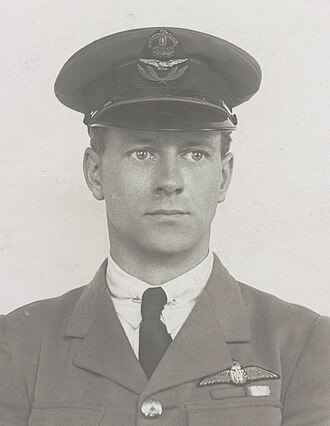
Every year on November 7, the world commemorates the extraordinary life and legacy of Sir Arthur Whitten Brown (British Aviator, Navigator & Transatlantic Flight Pioneer). Celebrated across United Kingdom and worldwide for defining contributions to science, their life remains an inspiring beacon of human courage, vision, and excellence.
1. Early Foundations, Background & Formative Years
Arthur Whitten Brown was born on November 7, 1886, in Glasgow, Scotland, to American parents. An engineer by training, Brown worked for British Westinghouse in Manchester before enlisting in the British Army at the outbreak of World War I. Transferring to the Royal Flying Corps as an aerial observer and navigator, he was shot down behind enemy lines in November 1915, suffering severe leg injuries and being captured as a German prisoner of war. During his internment in Switzerland, Brown intensively studied aerial navigation, dead reckoning, and celestial star-sights.
Repatriated in 1917, Brown met pilot Captain John Alcock at the Vickers aircraft works in Weybridge in April 1919. The pair formed a partnership to compete for the Daily Mail £10,000 prize for the first non-stop flight across the Atlantic Ocean. Flying a converted World War I Vickers Vimy biplane powered by two 360-horsepower Rolls-Royce Eagle VIII engines, they took off from Lester's Field in St. John's, Newfoundland, on June 14, 1919.
The 1,890-mile flight was an ordeal of extreme peril. Dense fog obscured the ocean, disabling their airspeed indicator, and a blizzard coated the wings in heavy ice. Brown demonstrated superhuman heroism: when the engine air intakes froze solid, threatening engine failure over the freezing Atlantic, Brown crawled out onto the open wings in freezing winds six times with a pocketknife to chip away ice blocks. Navigating by glimpses of stars through cloud breaks, Brown accurately guided the Vimy to landfall at Derrygimlagh Bog near Clifden, Ireland, landing after 16 hours and 28 minutes. Days later, King George V knighted Brown and Alcock at Windsor Castle, opening the modern era of transatlantic aviation.
Growing up in United Kingdom, Sir Arthur Whitten Brown was guided by an innate curiosity, unwavering discipline, and a refusal to accept mediocrity. These formative experiences forged the intellectual and moral bedrock that would later define their world-changing accomplishments.
2. Defining Achievements & Global Career Breakthroughs
Across decades of dedicated service and relentless practice, Sir Arthur Whitten Brown redefined standards of excellence in science. Whether breaking barriers, innovating masterworks, or transforming public perception, their career represents the pinnacle of professional dedication.
3. Philosophy, Quotations & Guiding Worldview
Throughout their life, Sir Arthur Whitten Brown articulated profound insights into human potential, creative resilience, and moral responsibility. Their words continue to offer timeless guidance for succeeding generations.
4. Key Milestones & Notable Works
- Navigator on the first non-stop transatlantic flight in history (June 14–15, 1919, St. John's to Clifden)
- Navigated 1,890 miles over the North Atlantic in a Vickers Vimy biplane in 16 hours and 28 minutes
- Crawled out onto the open aircraft wings six times in a freezing blizzard to manually de-ice engine intakes
- Won the Daily Mail £10,000 transatlantic prize presented by Winston Churchill
- Knighted as Knight Commander of the Order of the British Empire (KBE) by King George V at Windsor Castle (1919)
- Authored aviation navigation treatises and served the Air Ministry during World War II
5. The Enduring Legacy of Sir Arthur Whitten Brown
Generations of practitioners, scholars, and future leaders trace their inspiration directly to the path blazed by Sir Arthur Whitten Brown. Their courage reminds us that true greatness requires relentless perseverance, creative boldness, and a lifelong commitment to uplifting humanity.