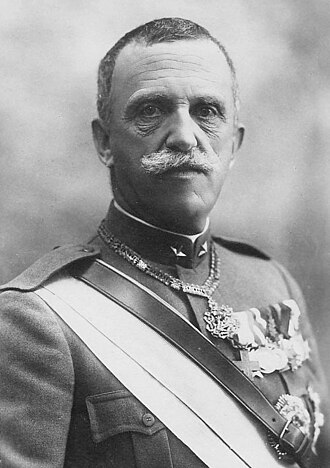
Every year on November 11, the world commemorates the extraordinary life and legacy of Victor Emmanuel III (King of Italy (1900–1946) & House of Savoy Sovereign During World War I and World War II). Celebrated across Italy and worldwide for defining contributions to history, their life remains an inspiring beacon of human courage, vision, and excellence.
Fast Facts & Historical Significance
- Profession & Arena: King of Italy (1900–1946) & House of Savoy Sovereign During World War I and World War II
- Nation of Origin: Italy
- Historic Category: history
- Historical Milestone: Celebrated on November 11 for enduring world impact
1. Early Foundations, Background & Formative Years
Victor Emmanuel III was born on November 11, 1869, in Naples, the only child of King Umberto I and Queen Margherita of Savoy. He ascended the Italian throne on July 29, 1900, following the assassination of his father by an anarchist in Monza. Known colloquially as il Re soldato (The Soldier King) for his visits to front-line trenches and modest demeanor, Victor Emmanuel navigated Italy through immense geopolitical transformations.
In May 1915, the King endorsed Italy's entry into World War I on the side of the Triple Entente. Following the cataclysmic Austro-German breakthrough at Caporetto in 1917, Victor Emmanuel played a steadying constitutional role at the Peschiera conference, supporting the defense along the Piave River that culminated in victory at Vittorio Veneto on November 4, 1918.
However, his legacy was irrevocably compromised during the postwar political crisis. In October 1922, refusing to sign a decree of martial law proposed by Prime Minister Luigi Facta, the King invited Fascist leader Benito Mussolini to form a government following the March on Rome. For over two decades, the King acquiesced to Fascist rule, including the brutal Ethiopian War and the 1938 anti-Semitic Racial Laws. In July 1943, following Allied landings in Sicily, the King finally dismissed and arrested Mussolini. Abdicating in May 1946 in favor of his son Umberto II, the Italian people voted to abolish the monarchy in a June 1946 referendum, and Victor Emmanuel died in exile in Alexandria, Egypt, in 1947.
Growing up in Italy, Victor Emmanuel III was guided by an innate curiosity, unwavering discipline, and a refusal to accept mediocrity. These formative experiences forged the intellectual and moral bedrock that would later define their world-changing accomplishments.
2. Defining Achievements & Global Career Breakthroughs
Across decades of dedicated service and relentless practice, Victor Emmanuel III redefined standards of excellence in history. Whether breaking barriers, innovating masterworks, or transforming public perception, their career represents the pinnacle of professional dedication.
3. Philosophy, Quotations & Guiding Worldview
Throughout their life, Victor Emmanuel III articulated profound insights into human potential, creative resilience, and moral responsibility. Their words continue to offer timeless guidance for succeeding generations.
4. Key Milestones & Notable Works
- Reigned as King of Italy for nearly forty-six years (1900–1946)
- Endorsed Italy's entry into World War I alongside the Allied Entente powers (1915)
- World-renowned numismatist who authored the 20-volume 'Corpus Nummorum Italicorum'
- Dismissed Benito Mussolini and appointed Marshal Pietro Badoglio to sign the Armistice of Cassibile (1943)
- Abidicated the throne in May 1946, culminating in the birth of the Italian Republic
5. The Enduring Legacy of Victor Emmanuel III
Generations of practitioners, scholars, and future leaders trace their inspiration directly to the path blazed by Victor Emmanuel III. Their courage reminds us that true greatness requires relentless perseverance, creative boldness, and a lifelong commitment to uplifting humanity.