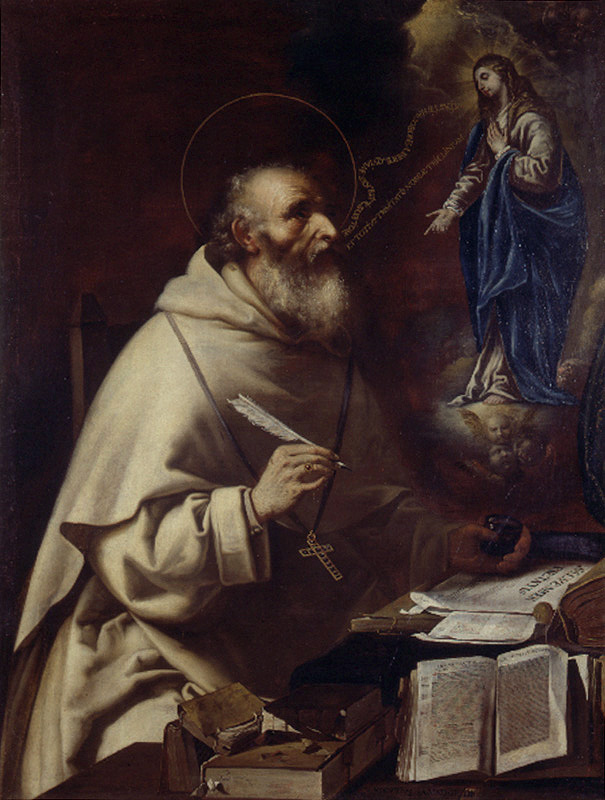
Albertus Magnus (1200 – 1280) was a towering figure in Germany and world history, widely celebrated as Medieval Dominican Polymath, Catholic Bishop & Patron Saint of Scientists. Their transformative contributions left an enduring imprint on human civilization.
At a Glance: Albertus Magnus
Major Historical Impact & Defining Contributions
Born around 1200 in Lauingen on the Danube, Albertus Magnus studied liberal arts at the University of Padua before joining the newly formed Order of Preachers (Dominicans) in 1223. Teaching at Dominican studia across Germany and at the University of Paris, Albert undertook the gargantuan task of paraphrasing and explaining all the known works of Aristotle—encompassing natural science, logic, rhetoric, ethics, and metaphysics—to make them accessible to Western Christian scholars. While at Paris and Cologne, Albert recognized the extraordinary philosophical brilliance of his quiet student Thomas Aquinas, famously prophesying: 'We call him the dumb ox, but his bellowing in doctrine will resound throughout the whole world.' Unlike many scholastic contemporaries who relied solely on textual authority, Albert championed direct empirical observation and experiment in natural science. In his encyclopedic treatises 'De Mineralibus' (On Minerals), 'De Vegetabilibus' (On Plants), and 'De Animalibus' (On Animals), he meticulously classified European flora and fauna, noted the geographical curvature of the Earth, and around 1250 became the first European scholar to isolate the chemical element arsenic. Serving briefly as Bishop of Regensburg, he mediated civic disputes with renowned fairness. Passing away on November 15, 1280, in Cologne, Albert was canonized in 1931 by Pope Pius XI, declared a Doctor of the Church, and proclaimed the Patron Saint of Natural Scientists.
Key Milestones, Works & Enduring Achievements
Throughout an extraordinary journey, Albertus Magnus established landmark milestones that continue to inspire scholars, creators, and leaders:
- Comprehensive commentary and Christian synthesis of Aristotle's entire philosophical corpus
- Mentor and teacher of Saint Thomas Aquinas at Paris and Cologne
- First European scholar to isolate arsenic (c. 1250)
- De Animalibus, De Vegetabilibus, and De Mineralibus (Pioneering empirical natural science)
- Proclaimed 'Doctor Universalis' and Patron Saint of Natural Scientists (1941)
Enduring Philosophy & Timeless Words
Reflecting on human nature, duty, and excellence, Albertus Magnus also observed:
Read All Curated Quotes & Tributes
Explore our comprehensive collection of inspiring quotes, personal reflections, and historical tributes honoring Albertus Magnus on November 15.