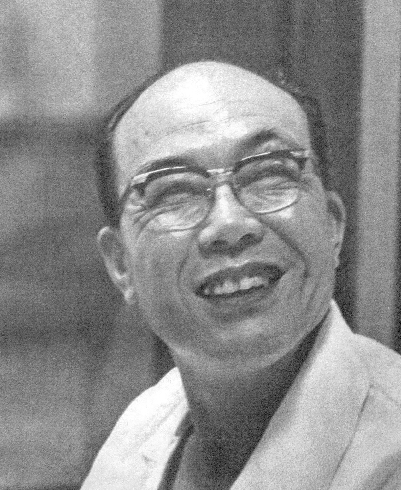
Soichiro Honda (1906 – 1991) was a towering figure in Japan and world history, widely celebrated as Engineer, Industrialist, Inventor, and Founder of Honda Motor Co.. Their transformative contributions left an enduring imprint on human civilization.
At a Glance: Soichiro Honda
Major Historical Impact & Defining Contributions
Born on November 17, 1906, in a small village near Hamamatsu in Shizuoka Prefecture, the son of a blacksmith and a weaver, Soichiro Honda fell in love with machinery in childhood, later recalling that the intoxicating smell of oil from the first automobile he ever saw was like perfume. At age fifteen, with no formal higher education, Honda moved to Tokyo to apprentice as an auto mechanic at Art Shokai. A brilliant intuitive mechanic, he built race cars and patented cast-iron-spoked wheels. Returning to Hamamatsu, he founded Tokai Seiki in 1937 to manufacture piston rings, overcoming early metallurgic failures by auditing metallurgy classes at Hamamatsu Higher Technical School. After World War II reduced his factories to rubble, Honda observed Japan's desperate need for affordable personal transportation in 1946: he scavenged 500 surplus two-stroke military radio generator engines, strapped them to bicycles, and created the first motorized bikes. In 1948, partnering with financial and administrative genius Takeo Fujisawa, he established the Honda Motor Co., Ltd. In 1958, Honda unveiled the Super Cub, an affordable, step-through motorcycle featuring a reliable four-stroke engine and automatic centrifugal clutch. Backed by the iconic advertising campaign 'You meet the nicest people on a Honda', the Super Cub became the most produced motor vehicle in world history, surpassing 100 million units. Driven by an obsession with motorsport as the ultimate testing laboratory, Honda entered the Isle of Man TT races in 1959, winning manufacturer team awards by 1961, and entered Formula One in 1964, capturing its first Grand Prix victory in Mexico in 1965. Expanding into automobiles, Honda's engineering team developed the revolutionary CVCC (Compound Vortex Controlled Combustion) engine in 1972, which met the strict U.S. Clean Air Act standards without requiring a catalytic converter. Inducted into the Automotive Hall of Fame in 1989, Honda died in Tokyo on August 5, 1991, at age eighty-four, celebrated as one of history's greatest automotive titans.
Key Milestones, Works & Enduring Achievements
Throughout an extraordinary journey, Soichiro Honda established landmark milestones that continue to inspire scholars, creators, and leaders:
- Founding of Honda Motor Co., Ltd. (1948 - Global mobility powerhouse)
- The Honda Super Cub (1958 - Most produced motor vehicle in history, 100M+ units)
- The CVCC Low-Emission Automotive Engine (1972 - Revolutionizing clean air technology)
- First Japanese Grand Prix Victory in Formula One (Mexican GP, 1965)
- The Honda Civic and Accord (Global benchmark passenger automobiles)
Enduring Philosophy & Timeless Words
Reflecting on human nature, duty, and excellence, Soichiro Honda also observed:
Read All Curated Quotes & Tributes
Explore our comprehensive collection of inspiring quotes, personal reflections, and historical tributes honoring Soichiro Honda on November 17.