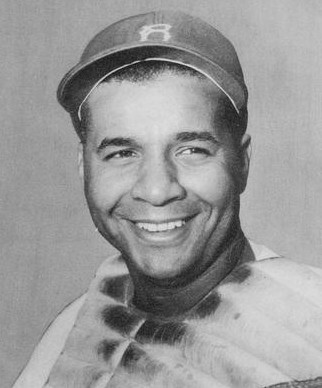
Roy Campanella (1921 – 1993) was a towering figure in United States and world history, widely celebrated as Professional Baseball Player & Author. Their transformative contributions left an enduring imprint on human civilization.
At a Glance: Roy Campanella
The Heart Behind the Plate: The Unconquerable Spirit of Roy Campanella
In the golden folklore of American baseball, the 1950s Brooklyn Dodgers—immortalized by author Roger Kahn as the 'Boys of Summer'—remain the most romanticized athletic ensemble in history. While Jackie Robinson provided the fierce intellectual and moral spark of racial integration and Duke Snider hit soaring home runs into the Ebbets Field bleachers, the beating heart and emotional anchor of that fabled team sat squatting behind home plate in chest protector and shin guards: Roy 'Campy' Campanella.
From the Negro Leagues to Brooklyn Immortality
The son of an African-American mother, Ida, and an Italian-American father, John, Campanella grew up in working-class North Philadelphia. Banned by segregation from Major League ballparks, a 15-year-old Campanella entered the Negro National League with the Bacharach Giants. Playing triple-headers on grueling barnstorming bus tours across the American South, Campanella was taken under the wing of Hall of Fame catcher Biz Mackey, who taught him the subtle psychological mastery of handling pitchers and reading hitters' swings.
When Dodgers president Branch Rickey launched his daring plan to integrate baseball, he knew Robinson could not stand alone. In 1946, Rickey signed Campanella to the Nashua Dodgers in New Hampshire, where Campy became the first African-American manager of a predominantly white professional team when his skipper was ejected during a game. Reaching Brooklyn in 1948, Campanella took command of the Dodgers' pitching staff with jovial authority, throwing out an astonishing 57% of attempted base-stealers over his career.
The Golden Era: Three MVP Trophies and the 1955 Glory
Between 1951 and 1955, Campanella orchestrated one of the most dominant offensive and defensive runs in baseball history. He captured the National League Most Valuable Player Award three times (1951, 1953, 1955)—a feat matched by only seven other players in major league history:
- 1951 MVP: Hit .325 with 33 home runs and 108 RBIs while managing one of the league's toughest pitching staffs.
- 1953 MVP: Smashed 41 home runs and drove in 142 runs—setting all-time records for catchers that stood for over four decades.
- 1955 MVP & Championship: Propelled the Dodgers to their legendary first and only World Series triumph over their hated crosstown rivals, the New York Yankees, ending decades of Brooklyn heartbreak.
| Milestone | Year | Accomplishment & Legacy |
|---|---|---|
| Negro League All-Star | 1941, 1944, 1945 | Starred for the Baltimore Elite Giants; proved elite caliber prior to MLB integration. |
| Major League MVP Trophies | 1951, 1953, 1955 | Joined Stan Musial and Joe DiMaggio as a three-time MVP winner. |
| World Series Champion | 1955 | Backstopped Johnny Podres's shutout in Game 7 to deliver Brooklyn's solitary crown. |
| Hall of Fame Cooperstown | 1969 | Inducted in his first year of eligibility, recognizing peerless offensive and defensive brilliance. |
Tragedy on the Ice and the Triumph of the Spirit
On the icy night of January 28, 1958, driving home from his liquor store in Harlem, Campanella's car skidded on black ice in Glen Cove, struck a telephone pole, and flipped. The impact broke his fifth and sixth cervical vertebrae, paralyzing him from the shoulders down. The baseball world was devastated; many expected the 36-year-old athlete would not survive the year.
Instead, Campanella embarked on an even greater heroic chapter. Through grueling rehabilitation at the Rusk Institute in Manhattan under Dr. Howard Rusk, he regained partial use of his arms. On May 7, 1959, 93,103 fans jammed the Los Angeles Memorial Coliseum for an exhibition between the Dodgers and Yankees in his honor. At the fifth inning, the stadium lights were extinguished, and over 90,000 fans lit matches and lighters in the darkness, serenading a weeping Campy in his wheelchair with 'The Star-Spangled Banner'.
'It's Good to Be Alive'
Campanella spent the remainder of his life as a beloved scout, youth mentor, and disability rights advocate for the Dodgers. His immortal 1959 memoir, 'It's Good to Be Alive', taught a generation that human dignity is not defined by physical prowess, but by gratitude, warmth, and an unconquerable will to live.
Key Milestones, Works & Enduring Achievements
Throughout an extraordinary journey, Roy Campanella established landmark milestones that continue to inspire scholars, creators, and leaders:
- 1953 Record-Setting MVP Season (1953) - Historic season smashing 41 home runs and 142 RBIs, setting MLB records for catchers that stood for decades.
- 1955 Brooklyn Dodgers World Series Championship (1955) - Led the legendary 'Boys of Summer' to Brooklyn's only World Series title, capturing his third NL MVP award.
- It's Good to Be Alive (Autobiography) (1959) - Inspirational memoir detailing his rise through the Negro Leagues, Dodgers glory, and recovery from paralysis.
- Roy Campanella Night at LA Coliseum (1959) - Record-setting tribute attended by 93,103 fans honoring his resilience and contributions to American sports.
- National Baseball Hall of Fame Induction (1969) - Became the second African-American player inducted into Cooperstown, cementing his immortal legacy.
Enduring Philosophy & Timeless Words
Reflecting on human nature, duty, and excellence, Roy Campanella also observed:
Read All Curated Quotes & Tributes
Explore our comprehensive collection of inspiring quotes, personal reflections, and historical tributes honoring Roy Campanella on November 19.