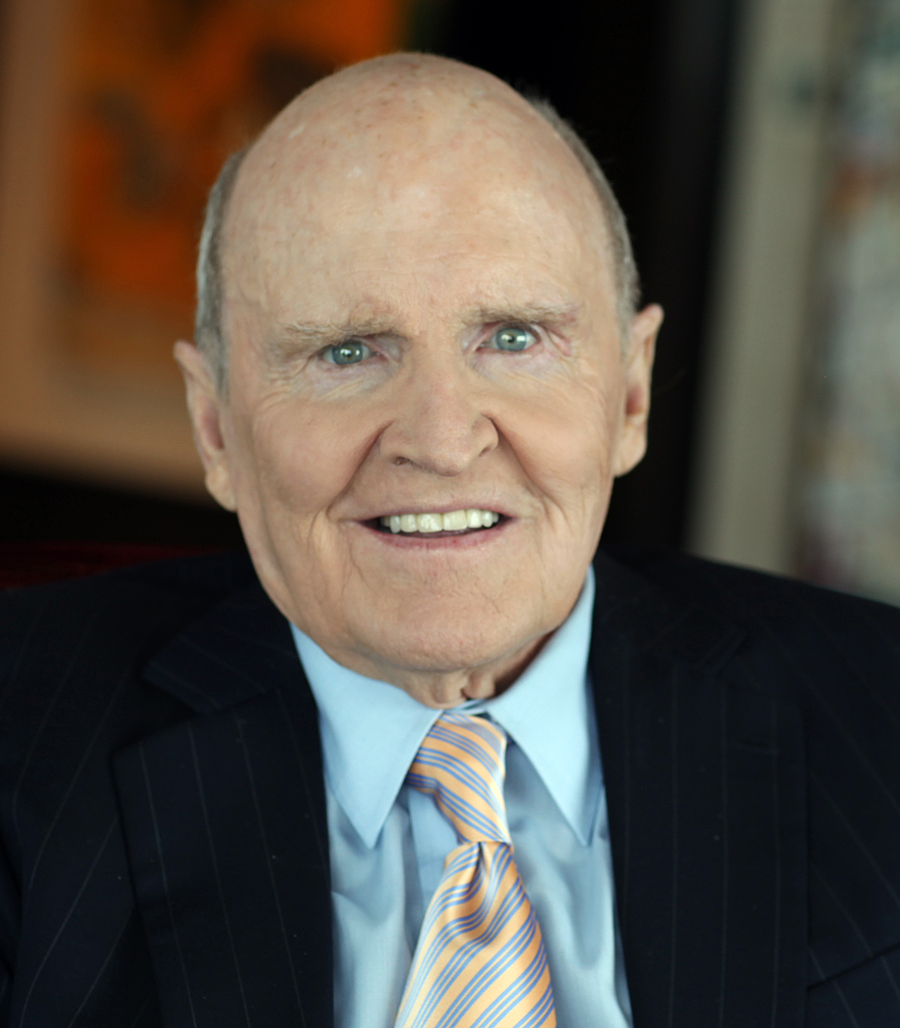
Jack Welch (1935 – 2020) was a towering figure in United States and world history, widely celebrated as Business Executive, Chemical Engineer & Author. Their transformative contributions left an enduring imprint on human civilization.
At a Glance: Jack Welch
The Architecture of Velocity: How Jack Welch Remade Global Capitalism
When forty-five-year-old chemical engineer John Francis 'Jack' Welch Jr. assumed the chairmanship of General Electric in April 1981, the company was the quintessential symbol of American industrial stability: a conglomerate of toasters, lightbulbs, turbines, and locomotives generating dependable single-digit growth. Over the next two decades, Welch dismantled that sleepy corporate bureaucracy with volcanic energy, transforming GE into an agile, hyper-profitable behemoth that defined the modern era of shareholder capitalism.
The #1 or #2 Doctrine and the 'Neutron Jack' Era
Welch diagnosed that globalization would destroy companies burdened by complacent overhead and uncompetitive product lines. He issued a historic mandate that governed every corner of GE's sprawling empire: 'Fix it, sell it, or close it.' If a subsidiary could not achieve the #1 or #2 market share ranking in its global industry, GE exited the business.
In his first five years, Welch divested 117 businesses and reduced GE's workforce from 411,000 to 299,000 employees. The ruthless restructuring earned him the moniker 'Neutron Jack'—alluding to the neutron bomb that eliminated people while leaving the buildings standing. But the painful surgery revitalized GE's balance sheet, unleashing billions of dollars in free cash flow to invest in high-margin technological sectors including medical imaging, aircraft engines, power systems, and financial services (GE Capital).
The Culture of Candor and the Vitality Curve
Beyond financial engineering, Welch's enduring genius lay in revamping corporate human resources. He despised corporate politics, sycophancy, and memo-driven management, introducing what he called 'The Boundaryless Organization'—an environment where ideas flowed freely across departments without respect for hierarchical ranks:
- Candor as a Core Value: Welch insisted that lack of honest feedback was cruel, advocating for unvarnished, direct communication in every performance review.
- The 20-70-10 Vitality Curve: Managers categorized staff into the top 20% high performers (rewarded with stock options and promotions), the vital 70% middle tier (developed and supported), and the bottom 10% non-performers (given candid counsel to transition out of the organization).
- Crotonville as the Corporate Vatican: Welch spent thousands of hours at GE's Crotonville management institute in Ossining, New York, personally teaching management seminars and interrogating rising young executives.
| Strategic Initiative | Year Spearheaded | Transformational Impact on GE & Global Business |
|---|---|---|
| #1 or #2 Market Mandate | 1981 | Eliminated marginal divisions; concentrated capital in world-dominating industrial and medical niches. |
| Work-Out Program | 1989 | Town-hall forums empowering frontline factory workers to eliminate redundant bureaucracy and veto boss mandates. |
| Six Sigma Quality Drive | 1995 | Adopted data-driven quality methodology, yielding over $12 billion in cost savings and operational efficiency. |
| GE Capital Expansion | 1990s | Turned commercial lending and leasing into a colossal profit engine generating over 40% of GE's annual revenue. |
Six Sigma and the Science of Quality
In late 1995, inspired by Larry Bossidy at AlliedSignal and Motorola's quality benchmarks, Welch launched the Six Sigma quality initiative across GE. Rather than treating quality as an inspector's afterthought, Welch made Six Sigma certification a mandatory prerequisite for executive promotion. By 1998, GE reported over $1.2 billion in annual cost savings directly attributable to Six Sigma defect reduction.
A Legacy of Relentless Execution
When Jack Welch stepped down on September 5, 2001, General Electric was the most admired and valuable company on Earth, with a market capitalization exceeding $410 billion. While subsequent financial crises challenged the leveraged structure of GE Capital, Welch's core tenets—radical candor, relentless differentiation, speed of learning, and passion for excellence—remain the definitive management textbook for leaders around the globe.
Key Milestones, Works & Enduring Achievements
Throughout an extraordinary journey, Jack Welch established landmark milestones that continue to inspire scholars, creators, and leaders:
- General Electric Transformation (1981-2001) (1981) - Grew GE's market capitalization from $14B to $410B, establishing it as the world's most valuable corporation.
- Jack: Straight from the Gut (2001) - Worldwide bestselling autobiography chronicling his two-decade tenure at the helm of General Electric.
- Winning (2005) - Definitive management manual written with Suzy Welch outlining actionable frameworks for corporate leadership.
- Crotonville Leadership Center Overhaul (1985) - Transformed GE's management school into the premier corporate executive training ground in the world.
- Jack Welch Management Institute (JWMI) (2009) - Top-ranked online executive MBA program delivering practical business education globally.
Enduring Philosophy & Timeless Words
Reflecting on human nature, duty, and excellence, Jack Welch also observed:
Read All Curated Quotes & Tributes
Explore our comprehensive collection of inspiring quotes, personal reflections, and historical tributes honoring Jack Welch on November 19.