Roland Barthes Biography (November 12): Life, Achievements & World Impact
A comprehensive, deeply researched biography of Roland Barthes (French Literary Theorist, Essayist, Philosopher & Master of Semiotics) on November 12, exploring formative years, de...
Every year on November 12, the world commemorates the extraordinary life and legacy of Roland Barthes (French Literary Theorist, Essayist, Philosopher & Master of Semiotics). Celebrated across France and worldwide for defining contributions to literature, their life remains an inspiring beacon of human courage, vision, and excellence.
Fast Facts & Historical Significance
Profession & Arena: French Literary Theorist, Essayist, Philosopher & Master of Semiotics
Nation of Origin: France
Historic Category: literature
Historical Milestone: Celebrated on November 12 for enduring world impact
1. Early Foundations, Background & Formative Years
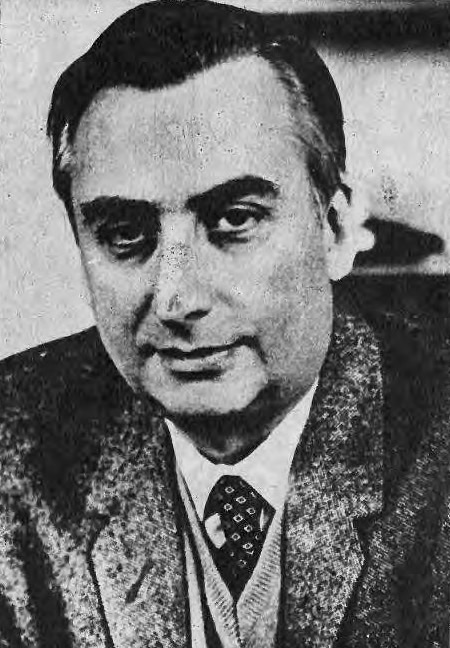
Born in Cherbourg on November 12, 1915, Roland Gérard Barthes lost his father in World War I and battled tuberculosis in his youth, spending years in sanatoriums where he read voraciously and cultivated his singular analytical sensibility. Emerging in postwar Paris, Barthes published his breakthrough work "Mythologies" (1957), a brilliant collection of essays decoding how everyday bourgeois culture—from wrestling matches and striptease to Citroën cars and detergent advertisements—manufactures artificial social constructs and disguises them as "natural" truths. In his celebrated 1967 essay "The Death of the Author," Barthes delivered a seismic shock to literary criticism, arguing that a text's meaning is not anchored in the biographical intentions of its writer, but is endlessly generated in the mind of the reader: "the birth of the reader must be ransomed by the death of the author." In "S/Z" (1970) and "The Pleasure of the Text" (Le Plaisir du texte, 1973), Barthes explored the erotic and intellectual bliss of reading as an active, productive encounter. In 1980, mourning the death of his beloved mother, Barthes published his luminous final masterpiece, "Camera Lucida" (La Chambre claire), distinguishing between the cultural information of an image (the "studium") and the poignant, deeply personal detail that pierces the viewer's soul (the "punctum"). Appointed to the prestigious Chair of Literary Semiology at the Collège de France in 1976, Roland Barthes revolutionized postmodern intellectual culture, teaching generations how to read the hidden signs that govern modern life.
Growing up in France, Roland Barthes was guided by an innate curiosity, unwavering discipline, and a refusal to accept mediocrity. These formative experiences forged the intellectual and moral bedrock that would later define their world-changing accomplishments.
2. Defining Achievements & Global Career Breakthroughs
Across decades of dedicated service and relentless practice, Roland Barthes redefined standards of excellence in literature. Whether breaking barriers, innovating masterworks, or transforming public perception, their career represents the pinnacle of professional dedication.
3. Philosophy, Quotations & Guiding Worldview
Throughout their life, Roland Barthes articulated profound insights into human potential, creative resilience, and moral responsibility. Their words continue to offer timeless guidance for succeeding generations.
4. Key Milestones & Notable Works
Mythologies (1957)
The Death of the Author (1967 landmark essay)
Camera Lucida (La Chambre claire, 1980)
The Pleasure of the Text (Le Plaisir du texte, 1973)
S/Z (1970)
5. The Enduring Legacy of Roland Barthes
Generations of practitioners, scholars, and future leaders trace their inspiration directly to the path blazed by Roland Barthes. Their courage reminds us that true greatness requires relentless perseverance, creative boldness, and a lifelong commitment to uplifting humanity.
6. Frequently Asked Questions (FAQ)
Roland Barthes was a towering French philosopher, literary theorist, and semiotician whose revolutionary critiques, including Mythologies, The Death of the Author, and Camera Lucida, radically transformed how humanity decodes language, cultural myths, textuality, and photography.
Roland Barthes was born in Cherbourg, Normandy, France.
Among their most celebrated accomplishments:
Mythologies (1957)
The Death of the Author (1967 landmark essay)
Camera Lucida (La Chambre claire, 1980)
The Pleasure of the Text (Le Plaisir du texte, 1973)
S/Z (1970)
November 12 marks the historic milestone associated with Roland Barthes, celebrated across France and around the world.
Celebrate Roland Barthes
Explore their full biography profile or share curated inspirational quotes and wishes.