Ibn Arabi (1165 – 1240) was a towering figure in Spain and world history, widely celebrated as Andalusian Arab Mystic, Philosopher, Poet, and 'al-Shaykh al-Akbar'. Their transformative contributions left an enduring imprint on human civilization.
At a Glance: Ibn Arabi
Major Historical Impact & Defining Contributions
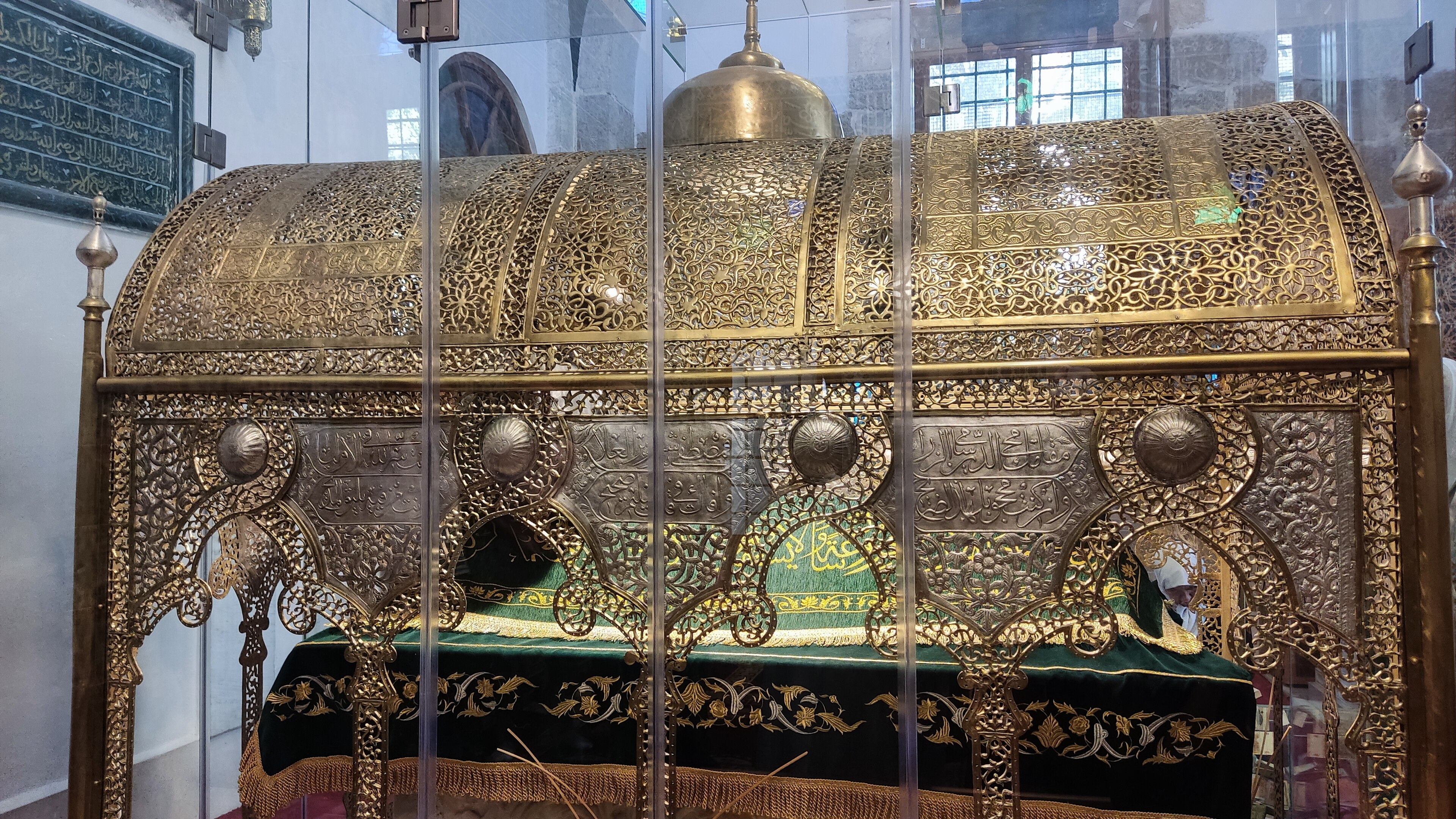
Born on July 26, 1165, in Murcia in Islamic Al-Andalus into a cultured Arab family of South Arabian Banu Tayy descent, Muhyi al-Din Muhammad ibn Ali ibn al-Arabi moved to Seville at age eight, where he received an exhaustive education in Quranic sciences, Hadith, Arabic grammar, and Islamic jurisprudence. As a teenager, following a transformative mystical vision during an illness, he entered the Sufi path. While still a youth in Cordoba, Ibn Arabi had a legendary meeting with the aging Aristotelian philosopher Averroës (Ibn Rushd), who was astonished by the young mystic's intuitive spiritual knowledge. In 1200, guided by visions, Ibn Arabi left Spain permanently, traveling across North Africa to Mecca, where he performed the Hajj in 1202. In Mecca, inspired by the Kaaba and the spiritual beauty of Nizam—a learned young Persian woman—he composed his famous mystical poetry collection 'Tarjuman al-Ashwaq' (The Interpreter of Desires) and began his gargantuan thirty-seven-volume masterpiece 'al-Futuhat al-Makkiyya' (The Meccan Illuminations), which synthesized theology, cosmology, eschatology, and spiritual psychology. In 1229, in Damascus, he composed 'Fusus al-Hikam' (The Ringstones of Wisdom), presenting twenty-seven chapters each dedicated to the unique spiritual wisdom embodied by a prophetic figure from Adam to Muhammad. Ibn Arabi's metaphysics centered on 'Wahdat al-Wujud' (the transcendent Unity of Being)—the ontological truth that all created reality is a radiant manifestation of the single Divine Essence. Ibn Arabi died in Damascus on November 16, 1240, at age seventy-five; his tomb on Mount Qasiyun remains a revered pilgrimage site, and his universal vision of divine love continues to illuminate scholars and seekers worldwide.
Key Milestones, Works & Enduring Achievements
Throughout an extraordinary journey, Ibn Arabi established landmark milestones that continue to inspire scholars, creators, and leaders:
- Fusus al-Hikam (The Ringstones of Wisdom, 1229 - Pinnacle of Sufi metaphysics)
- al-Futuhat al-Makkiyya (The Meccan Illuminations - 37-volume encyclopedic masterpiece)
- Tarjuman al-Ashwaq (The Interpreter of Desires - Sublime mystical love poetry)
- Treatise on the Unity of Being (Wahdat al-Wujud - Ontological non-duality)
- Mishkat al-Anwar (Niche of Lights - Collection of divine traditions)
Enduring Philosophy & Timeless Words
Reflecting on human nature, duty, and excellence, Ibn Arabi also observed:
Read All Curated Quotes & Tributes
Explore our comprehensive collection of inspiring quotes, personal reflections, and historical tributes honoring Ibn Arabi on November 16.