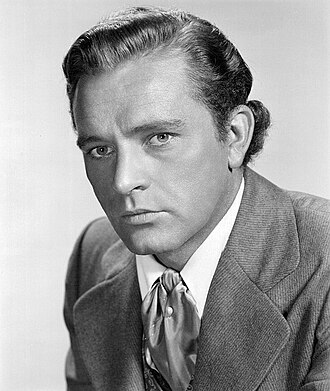
Every year on November 10, the world commemorates the extraordinary life and legacy of Richard Burton (Welsh Shakespearean & Hollywood Screen Icon ('Who's Afraid of Virginia Woolf?', 'Cleopatra')). Celebrated across United Kingdom and worldwide for defining contributions to cinema, their life remains an inspiring beacon of human courage, vision, and excellence.
Fast Facts & Historical Significance
- Profession & Arena: Welsh Shakespearean & Hollywood Screen Icon ('Who's Afraid of Virginia Woolf?', 'Cleopatra')
- Nation of Origin: United Kingdom
- Historic Category: cinema
- Historical Milestone: Celebrated on November 10 for enduring world impact
1. Early Foundations, Background & Formative Years
Richard Walter Jenkins Jr. was born on November 10, 1925, into an impoverished coal-mining family in Pontrhydyfen, South Wales, the twelfth of thirteen children. Mentored by his schoolmaster Philip Burton (whose surname he legally adopted), Burton won a scholarship to Exeter College, Oxford, and trained with the Royal Air Force before making his West End and Broadway theatrical breakthroughs.
Renowned for his commanding physical presence and rich, volcanic baritone voice, Burton was hailed as the natural heir to Laurence Olivier in British Shakespearean theater, delivering legendary performances as Hamlet, Henry V, and Coriolanus at the Old Vic. He achieved Hollywood stardom in the 1950s with My Cousin Rachel (1952) and the religious epic The Robe (1953).
In 1963, Burton starred as Mark Antony opposite Elizabeth Taylor in the lavish historical epic Cleopatra. Their explosive off-screen romance, subsequent two marriages, and frequent on-screen pairings captivated the global media. Burton delivered career-defining dramatic performances in Becket (1964), The Spy Who Came in from the Cold (1965), Who's Afraid of Virginia Woolf? (1966), and Equus (1977), receiving seven Academy Award nominations. He passed away from a cerebral hemorrhage in Switzerland on August 5, 1984, at age 58.
Growing up in United Kingdom, Richard Burton was guided by an innate curiosity, unwavering discipline, and a refusal to accept mediocrity. These formative experiences forged the intellectual and moral bedrock that would later define their world-changing accomplishments.
2. Defining Achievements & Global Career Breakthroughs
Across decades of dedicated service and relentless practice, Richard Burton redefined standards of excellence in cinema. Whether breaking barriers, innovating masterworks, or transforming public perception, their career represents the pinnacle of professional dedication.
3. Philosophy, Quotations & Guiding Worldview
Throughout their life, Richard Burton articulated profound insights into human potential, creative resilience, and moral responsibility. Their words continue to offer timeless guidance for succeeding generations.
4. Key Milestones & Notable Works
- Seven-time Academy Award nominee for Best Actor across four decades
- Star of landmark psychological drama 'Who's Afraid of Virginia Woolf?' opposite Elizabeth Taylor (1966)
- Starred as Mark Antony in historical epic 'Cleopatra' (1963)
- Commanding lead performance in Cold War espionage masterpiece 'The Spy Who Came in from the Cold' (1965)
- Legendary Shakespearean stage runs as 'Hamlet' on Broadway and the Old Vic
5. The Enduring Legacy of Richard Burton
Generations of practitioners, scholars, and future leaders trace their inspiration directly to the path blazed by Richard Burton. Their courage reminds us that true greatness requires relentless perseverance, creative boldness, and a lifelong commitment to uplifting humanity.