Every year on November 11, the world commemorates the extraordinary life and legacy of Paul Signac (French Neo-Impressionist Painter, Pointillism Pioneer, Art Theorist & Sailor). Celebrated across France and worldwide for defining contributions to art, their life remains an inspiring beacon of human courage, vision, and excellence.
Fast Facts & Historical Significance
- Profession & Arena: French Neo-Impressionist Painter, Pointillism Pioneer, Art Theorist & Sailor
- Nation of Origin: France
- Historic Category: art
- Historical Milestone: Celebrated on November 11 for enduring world impact
1. Early Foundations, Background & Formative Years
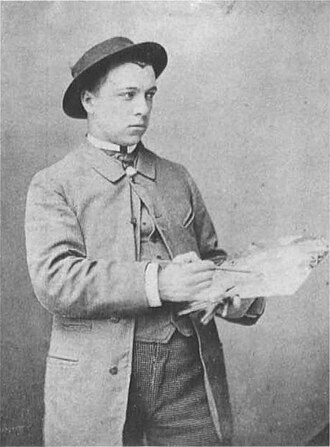
Paul Victor Jules Signac was born on November 11, 1863, in Paris into a prosperous commercial family. Initially training in architecture, Signac was so spellbound by an 1880 exhibition of Claude Monet's impressionist landscapes that he abandoned architecture to teach himself painting. He met Georges Seurat in 1884 at the founding of the Société des Artistes Indépendants, forging an intellectual and artistic partnership that transformed modern art.
Fascinated by optical physics and color theory—particularly Michel Eugène Chevreul's law of simultaneous contrast—Signac and Seurat developed Divisionism (popularly known as Pointillism). Instead of mixing pigments on a palette, they applied tiny, distinct dots of pure color side by side on canvas, relying on the viewer's eye to optically blend the colors, resulting in unprecedented luminosity and vibrancy.
Following Seurat's sudden death in 1891, Signac became the undisputed leader of Neo-Impressionism. An avid yachtsman who owned over thirty boats in his lifetime, Signac sailed along the French, Dutch, and Mediterranean coasts, capturing sparkling luminous seascapes, ports, and harbors in Saint-Tropez, Collioure, and Venice. In 1899, he published his seminal theoretical treatise D'Eugène Delacroix au néo-impressionnisme, which directly inspired Henri Matisse and the emerging Fauvist and Cubist avant-garde. From 1908 until his death, Signac served as President of the Salon des Indépendants, championing younger progressive artists.
Growing up in France, Paul Signac was guided by an innate curiosity, unwavering discipline, and a refusal to accept mediocrity. These formative experiences forged the intellectual and moral bedrock that would later define their world-changing accomplishments.
2. Defining Achievements & Global Career Breakthroughs
Across decades of dedicated service and relentless practice, Paul Signac redefined standards of excellence in art. Whether breaking barriers, innovating masterworks, or transforming public perception, their career represents the pinnacle of professional dedication.
3. Philosophy, Quotations & Guiding Worldview
Throughout their life, Paul Signac articulated profound insights into human potential, creative resilience, and moral responsibility. Their words continue to offer timeless guidance for succeeding generations.
4. Key Milestones & Notable Works
- Co-developed the revolutionary Pointillist technique with Georges Seurat (1884–1891)
- Painted the Neo-Impressionist masterpiece 'The Portrait of Félix Fénéon' (1890)
- Created luminous harbor masterworks including 'The Port of Saint-Tropez' (1901)
- Penned the influential theoretical manifesto 'From Eugène Delacroix to Neo-Impressionism' (1899)
- Served as President of the Salon des Artistes Indépendants (1908–1935)
5. The Enduring Legacy of Paul Signac
Generations of practitioners, scholars, and future leaders trace their inspiration directly to the path blazed by Paul Signac. Their courage reminds us that true greatness requires relentless perseverance, creative boldness, and a lifelong commitment to uplifting humanity.