Every year on November 11, the world commemorates the extraordinary life and legacy of Nat Turner (Enslaved African American Preacher & Leader of the Historic 1831 Southampton Slave Rebellion). Celebrated across United States and worldwide for defining contributions to history, their life remains an inspiring beacon of human courage, vision, and excellence.
Fast Facts & Historical Significance
- Profession & Arena: Enslaved African American Preacher & Leader of the Historic 1831 Southampton Slave Rebellion
- Nation of Origin: United States
- Historic Category: history
- Historical Milestone: Celebrated on November 11 for enduring world impact
1. Early Foundations, Background & Formative Years
Nat Turner was born into chattel slavery on October 2, 1800, on the Southampton County plantation of Benjamin Turner in Virginia. Highly intelligent and taught to read and write at an early age—a rarity among enslaved people—Turner possessed profound religious fervor and was revered as a prophet and spiritual leader by fellow enslaved laborers.
Deeply steeped in Old Testament biblical prophecies of liberation and justice, Turner experienced a series of apocalyptic visions. Following a solar eclipse in February 1831 that he interpreted as a divine sign, Turner and six trusted companions launched an armed rebellion on the night of August 21, 1831. The insurgent force grew to over seventy enslaved and free Black men, moving from plantation to plantation to liberate enslaved people and strike at the institutional apparatus of human bondage.
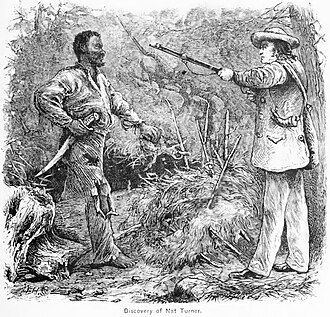
The rebellion was suppressed within forty-eight hours by state militia and federal troops. Turner eluded capture for over six weeks, hiding in the woods of Southampton County before being discovered on October 30. While imprisoned, he dictated his accounts to local attorney Thomas Ruffin Gray, published as The Confessions of Nat Turner. Convicted of conspiracy to rebel, Turner was hanged in Jerusalem (now Courtland), Virginia, on November 11, 1831, meeting his death with impassive moral composure. His rebellion irrevocably shattered the antebellum planter myth that enslaved people were docile or contented with their bondage, polarizing national politics and accelerating the inexorable trajectory toward the American Civil War and the ultimate destruction of slavery.
Growing up in United States, Nat Turner was guided by an innate curiosity, unwavering discipline, and a refusal to accept mediocrity. These formative experiences forged the intellectual and moral bedrock that would later define their world-changing accomplishments.
2. Defining Achievements & Global Career Breakthroughs
Across decades of dedicated service and relentless practice, Nat Turner redefined standards of excellence in history. Whether breaking barriers, innovating masterworks, or transforming public perception, their career represents the pinnacle of professional dedication.
3. Philosophy, Quotations & Guiding Worldview
Throughout their life, Nat Turner articulated profound insights into human potential, creative resilience, and moral responsibility. Their words continue to offer timeless guidance for succeeding generations.
4. Key Milestones & Notable Works
- Led the historic August 1831 Southampton County slave rebellion, the most impactful in US history
- Dictated 'The Confessions of Nat Turner' to attorney Thomas Ruffin Gray while imprisoned
- Shattered the antebellum Southern myth of enslaved contentment, galvanizing abolitionist resistance
- Inspired generations of civil rights leaders, abolitionists, and African American liberation movements
- Commemorated by the Nat Turner Insurrection Site and Virginia Historical Highway Markers
5. The Enduring Legacy of Nat Turner
Generations of practitioners, scholars, and future leaders trace their inspiration directly to the path blazed by Nat Turner. Their courage reminds us that true greatness requires relentless perseverance, creative boldness, and a lifelong commitment to uplifting humanity.