Lord Rayleigh Biography (November 12): Life, Achievements & World Impact
A comprehensive, deeply researched biography of Lord Rayleigh (Nobel Laureate British Physicist, Acoustic Pioneer & Co-Discoverer of Argon) on November 12, exploring formative year...
Every year on November 12, the world commemorates the extraordinary life and legacy of Lord Rayleigh (Nobel Laureate British Physicist, Acoustic Pioneer & Co-Discoverer of Argon). Celebrated across United Kingdom and worldwide for defining contributions to science, their life remains an inspiring beacon of human courage, vision, and excellence.
Fast Facts & Historical Significance
Profession & Arena: Nobel Laureate British Physicist, Acoustic Pioneer & Co-Discoverer of Argon
Nation of Origin: United Kingdom
Historic Category: science
Historical Milestone: Celebrated on November 12 for enduring world impact
1. Early Foundations, Background & Formative Years
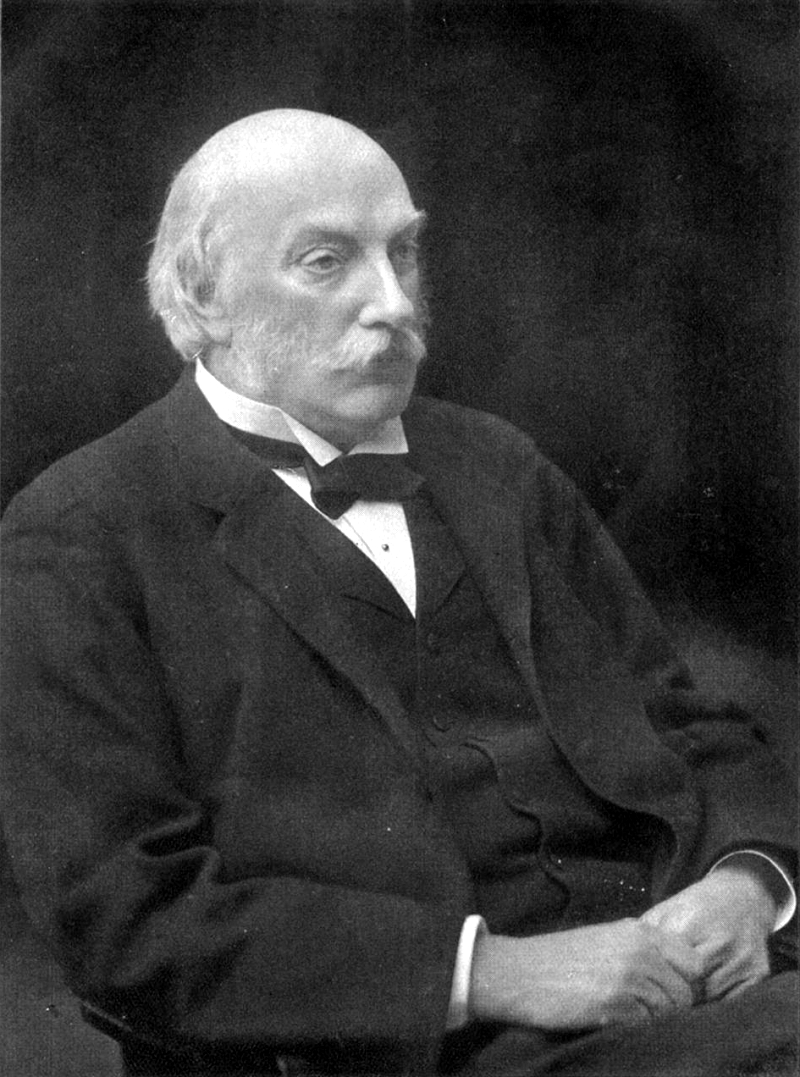
Born John William Strutt in Maldon, Essex on November 12, 1842, Lord Rayleigh demonstrated exceptional mathematical and experimental genius at Trinity College, Cambridge, graduating as Senior Wrangler and First Smith's Prizeman in 1865. In 1871, he solved one of physics' most poetic natural mysteries by formulating the theory of "Rayleigh scattering," demonstrating mathematically that atmospheric gas molecules scatter shorter wavelengths of sunlight (blue and violet) far more effectively than longer wavelengths (red and yellow), explaining definitively why the daytime sky appears blue. In 1877–1878, Rayleigh published "The Theory of Sound," a two-volume masterwork that unified wave mechanics, vibration, and acoustic resonance, remaining the definitive reference work in acoustics for over a century. Succeeding James Clerk Maxwell as Cavendish Professor of Experimental Physics at Cambridge in 1879, Rayleigh established precise electrical measurement standards for the ohm, ampere, and volt. In the early 1890s, meticulous density measurements of atmospheric nitrogen compared to chemically produced nitrogen revealed a mysterious discrepancy; collaborating with Scottish chemist Sir William Ramsay, Rayleigh isolated an entirely new, chemically inert gaseous element in 1894: Argon (from the Greek for "idle"). For this historic breakthrough, Rayleigh was awarded the 1904 Nobel Prize in Physics (with Ramsay receiving the Nobel Prize in Chemistry). Serving as President of the Royal Society and Chancellor of Cambridge University, Lord Rayleigh stood as one of the towering architects of modern experimental physics.
Growing up in United Kingdom, Lord Rayleigh was guided by an innate curiosity, unwavering discipline, and a refusal to accept mediocrity. These formative experiences forged the intellectual and moral bedrock that would later define their world-changing accomplishments.
2. Defining Achievements & Global Career Breakthroughs
Across decades of dedicated service and relentless practice, Lord Rayleigh redefined standards of excellence in science. Whether breaking barriers, innovating masterworks, or transforming public perception, their career represents the pinnacle of professional dedication.
3. Philosophy, Quotations & Guiding Worldview
Throughout their life, Lord Rayleigh articulated profound insights into human potential, creative resilience, and moral responsibility. Their words continue to offer timeless guidance for succeeding generations.
4. Key Milestones & Notable Works
1904 Nobel Prize in Physics for the discovery of Argon
Formulated Rayleigh scattering (explaining why the sky is blue)
Author of the two-volume classic The Theory of Sound (1877–1878)
Predicted Rayleigh waves in seismology and wave dynamics
Co-formulated the Rayleigh–Jeans law of blackbody radiation
5. The Enduring Legacy of Lord Rayleigh
Generations of practitioners, scholars, and future leaders trace their inspiration directly to the path blazed by Lord Rayleigh. Their courage reminds us that true greatness requires relentless perseverance, creative boldness, and a lifelong commitment to uplifting humanity.
6. Frequently Asked Questions (FAQ)
Lord Rayleigh was a titan of Victorian and classical physics who won the 1904 Nobel Prize in Physics for co-discovering Argon, explained why the daytime sky appears blue through Rayleigh scattering, and established foundational acoustics with The Theory of Sound.
Lord Rayleigh was born in Langford Grove, Maldon, Essex, United Kingdom.
Among their most celebrated accomplishments:
1904 Nobel Prize in Physics for the discovery of Argon
Formulated Rayleigh scattering (explaining why the sky is blue)
Author of the two-volume classic The Theory of Sound (1877–1878)
Predicted Rayleigh waves in seismology and wave dynamics
Co-formulated the Rayleigh–Jeans law of blackbody radiation
November 12 marks the historic milestone associated with Lord Rayleigh, celebrated across United Kingdom and around the world.
Celebrate Lord Rayleigh
Explore their full biography profile or share curated inspirational quotes and wishes.