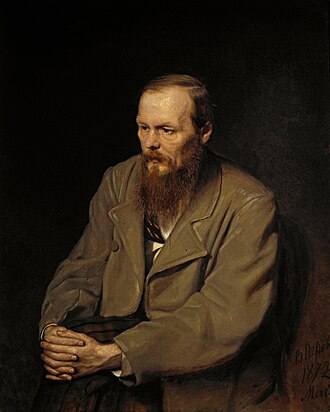
Every year on November 11, the world commemorates the extraordinary life and legacy of Fyodor Dostoevsky (Russian Novelist, Essayist, Philosopher & Titan of World Psychological Fiction). Celebrated across Russia and worldwide for defining contributions to literature, their life remains an inspiring beacon of human courage, vision, and excellence.
Fast Facts & Historical Significance
- Profession & Arena: Russian Novelist, Essayist, Philosopher & Titan of World Psychological Fiction
- Nation of Origin: Russia
- Historic Category: literature
- Historical Milestone: Celebrated on November 11 for enduring world impact
1. Early Foundations, Background & Formative Years
Fyodor Mikhailovich Dostoevsky was born on November 11, 1821, in Moscow. Educated as a military engineer at the Saint Petersburg Military Engineering Institute, Dostoevsky left the army to devote himself entirely to literature. His 1846 debut epistolary novel Poor Folk won rapturous praise from literary critic Vissarion Belinsky, hailing him as Russia's next literary genius.
In 1849, Dostoevsky was arrested for his association with the Petrashevsky Circle, a progressive intellectual discussion society. Sentenced to death, he endured a harrowing mock execution in front of a firing squad on Semyonov Square before receiving a last-second imperial pardon commuting the sentence to four years of hard labor at a katorga penal camp in Omsk, Siberia, followed by compulsory military service. This traumatic ordeal and his Siberian immersion among hardened convicts permanently reshaped his worldview, turning him from utopian socialism toward profound Orthodox Christian spiritualism, psychological realism, and an acute understanding of human redemption and moral freedom.
Returning to Saint Petersburg, Dostoevsky penned a breathtaking succession of monumental literary triumphs. In Crime and Punishment (1866), he dissected the moral hubris of Rodion Raskolnikov. In The Idiot (1869), he portrayed the tragic beauty of pure moral innocence through Prince Myshkin. His crowning magnum opus, The Brothers Karamazov (1880), features the legendary 'Grand Inquisitor' chapter, universally recognized as one of the supreme achievements in world philosophical literature.
Growing up in Russia, Fyodor Dostoevsky was guided by an innate curiosity, unwavering discipline, and a refusal to accept mediocrity. These formative experiences forged the intellectual and moral bedrock that would later define their world-changing accomplishments.
2. Defining Achievements & Global Career Breakthroughs
Across decades of dedicated service and relentless practice, Fyodor Dostoevsky redefined standards of excellence in literature. Whether breaking barriers, innovating masterworks, or transforming public perception, their career represents the pinnacle of professional dedication.
3. Philosophy, Quotations & Guiding Worldview
Throughout their life, Fyodor Dostoevsky articulated profound insights into human potential, creative resilience, and moral responsibility. Their words continue to offer timeless guidance for succeeding generations.
4. Key Milestones & Notable Works
- Penned the psychological tour de force 'Crime and Punishment' (1866)
- Authored the philosophical masterwork 'The Brothers Karamazov' (1880)
- Wrote the tragic character study 'The Idiot' (1869)
- Pioneered existential literature with 'Notes from Underground' (1864)
- Delivered the immortal 1880 Pushkin Speech advocating universal human reconciliation
5. The Enduring Legacy of Fyodor Dostoevsky
Generations of practitioners, scholars, and future leaders trace their inspiration directly to the path blazed by Fyodor Dostoevsky. Their courage reminds us that true greatness requires relentless perseverance, creative boldness, and a lifelong commitment to uplifting humanity.