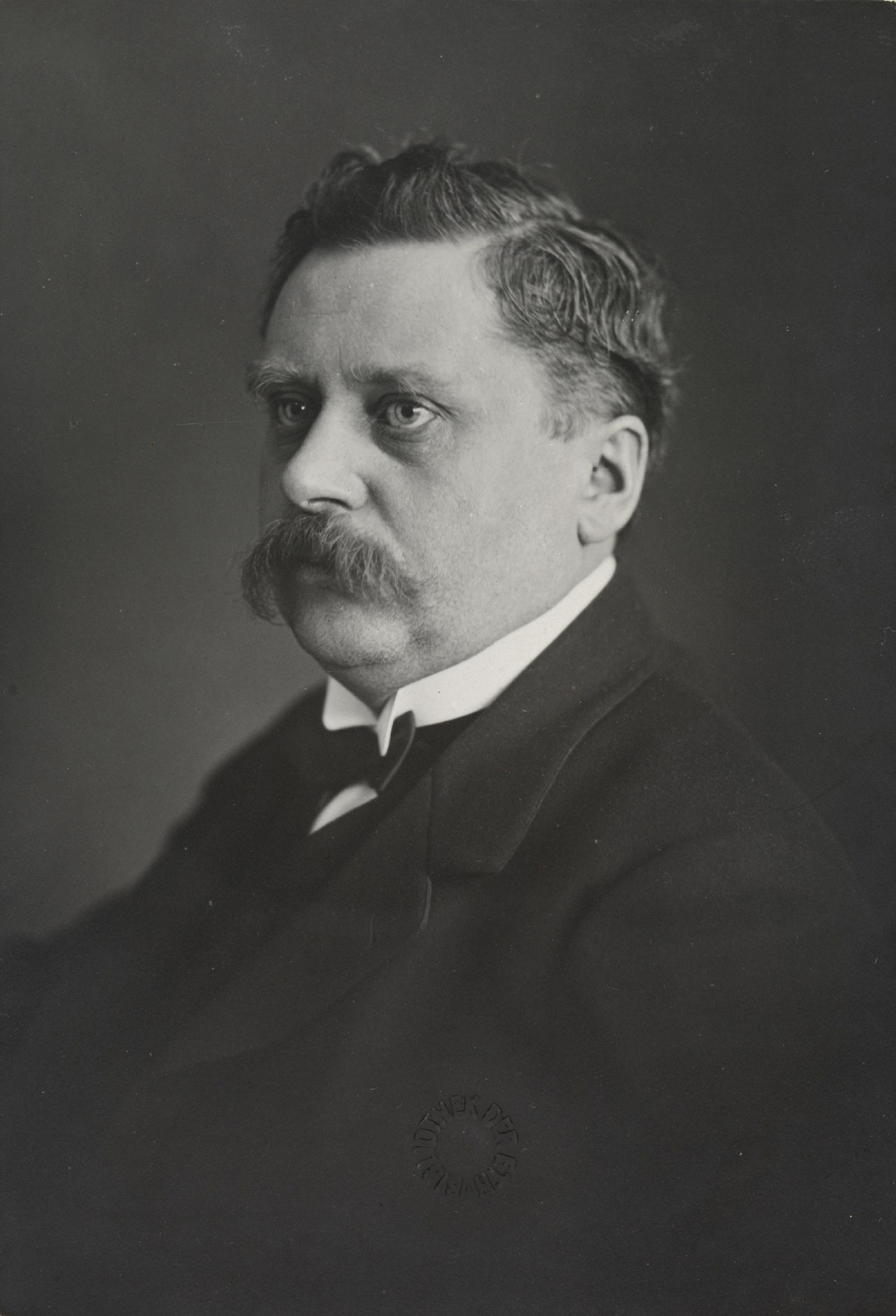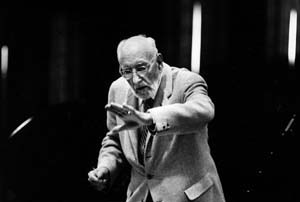
Every year on November 11, the world commemorates the extraordinary life and legacy of Ernest Ansermet (Swiss Conductor, Mathematician, Musicologist & Founder of the Orchestre de la Suisse Romande). Celebrated across Switzerland and worldwide for defining contributions to music, their life remains an inspiring beacon of human courage, vision, and excellence.
Fast Facts & Historical Significance
- Profession & Arena: Swiss Conductor, Mathematician, Musicologist & Founder of the Orchestre de la Suisse Romande
- Nation of Origin: Switzerland
- Historic Category: music
- Historical Milestone: Celebrated on November 11 for enduring world impact
1. Early Foundations, Background & Formative Years
Ernest Alexandre Ansermet was born on November 11, 1883, in Vevey, Switzerland. Showing exceptional early mathematical and musical ability, Ansermet graduated in mathematics from the University of Lausanne and taught university mathematics before dedicating himself entirely to music, studying composition and conducting under André Gedalge in Paris and Felix Mottl in Munich.
Ansermet's monumental breakthrough arrived in 1915 when impresario Sergei Diaghilev appointed him principal conductor of the revolutionary Ballets Russes. Possessing mathematical analytical precision paired with deep artistic sensitivity, Ansermet became the indispensable podium partner for the avant-garde. Between 1916 and 1923, he conducted historic world premieres that redefined 20th-century orchestral music: Igor Stravinsky's The Soldier's Tale (L'Histoire du soldat), Pulcinella, and Renard; Manuel de Falla's The Three-Cornered Hat; Maurice Ravel's La Valse; and Sergei Prokofiev's Chout.
In 1918, Ansermet founded the Orchestre de la Suisse Romande (OSR) in Geneva, leading it as music director for nearly half a century (1918–1967). Renowned for sonic clarity, balanced orchestral timbres, and rhythmic vitality, Ansermet's legendary stereophonic recordings for Decca Records became the gold standard for audiophile classical music. In 1961, he published his magnum opus on music philosophy, Les Fondements de la musique dans la conscience humaine, exploring the phenomenological and mathematical foundations of tonal music.
Growing up in Switzerland, Ernest Ansermet was guided by an innate curiosity, unwavering discipline, and a refusal to accept mediocrity. These formative experiences forged the intellectual and moral bedrock that would later define their world-changing accomplishments.
2. Defining Achievements & Global Career Breakthroughs
Across decades of dedicated service and relentless practice, Ernest Ansermet redefined standards of excellence in music. Whether breaking barriers, innovating masterworks, or transforming public perception, their career represents the pinnacle of professional dedication.
3. Philosophy, Quotations & Guiding Worldview
Throughout their life, Ernest Ansermet articulated profound insights into human potential, creative resilience, and moral responsibility. Their words continue to offer timeless guidance for succeeding generations.
4. Key Milestones & Notable Works
- Founded the Orchestre de la Suisse Romande in Geneva and served as Music Director for 49 years (1918–1967)
- Conducted historic Ballets Russes world premieres for Igor Stravinsky ('The Soldier's Tale', 'Pulcinella')
- Conducted the world premieres of Manuel de Falla's 'The Three-Cornered Hat' and Ravel's 'La Valse'
- Pioneered early stereophonic Decca 'ffrr' classical recordings celebrated worldwide for audiophile fidelity
- Published the monumental philosophical treatise 'The Foundations of Music in Human Consciousness' (1961)
5. The Enduring Legacy of Ernest Ansermet
Generations of practitioners, scholars, and future leaders trace their inspiration directly to the path blazed by Ernest Ansermet. Their courage reminds us that true greatness requires relentless perseverance, creative boldness, and a lifelong commitment to uplifting humanity.