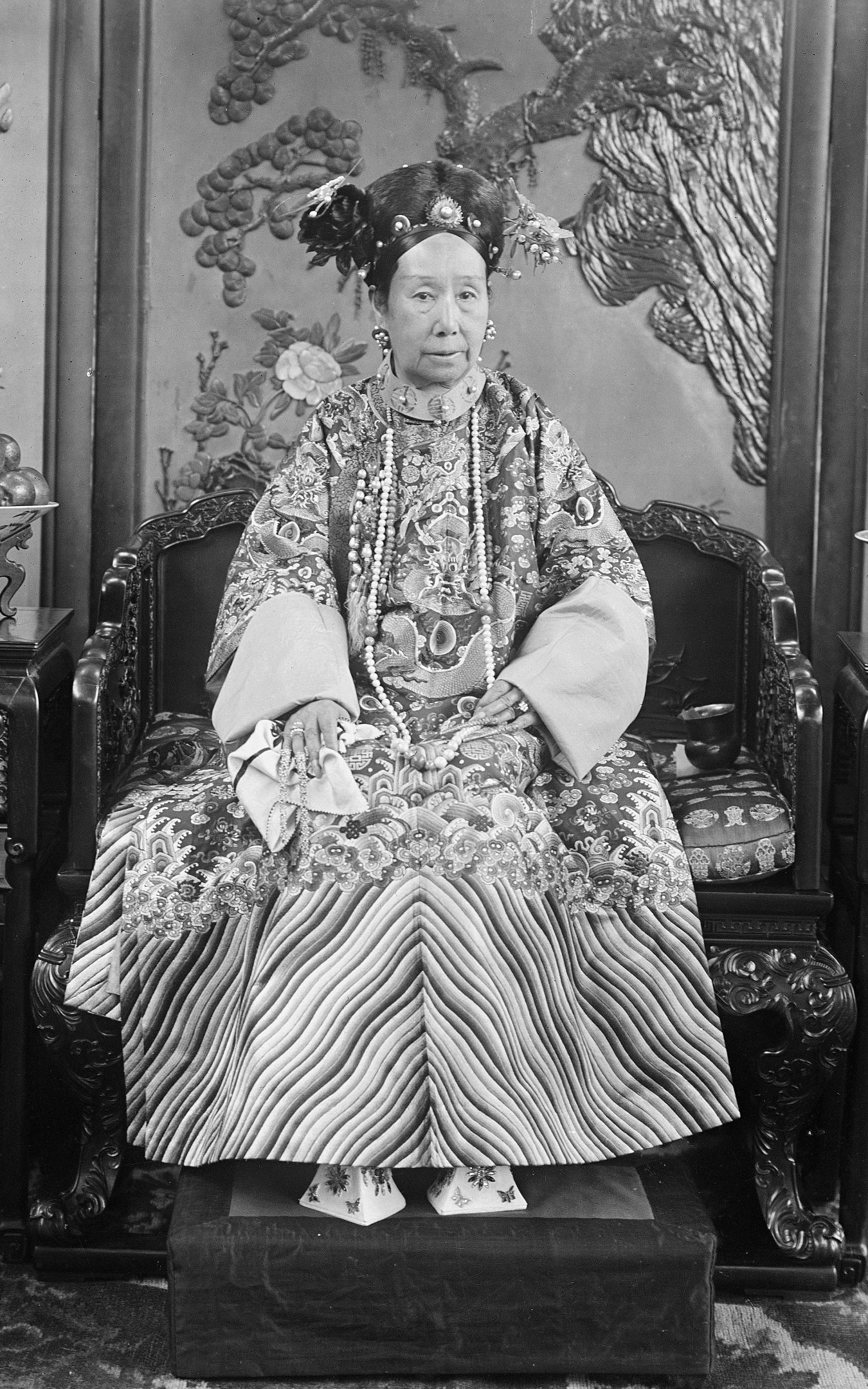
Empress Dowager Cixi (1835 – 1908) was a towering figure in China and world history, widely celebrated as Qing Dynasty Ruler of China, Regent for 47 Years (1861–1908). Their transformative contributions left an enduring imprint on human civilization.
At a Glance: Empress Dowager Cixi
Major Historical Impact & Defining Contributions
Born into the Manchu Yehe Nara clan on November 29, 1835, Cixi entered the Forbidden City in 1851 as a low-ranking concubine to the Xianfeng Emperor. In 1856, she gave birth to the Emperor's only surviving son, Zaichun. When the Xianfeng Emperor died in exile in Chengde in 1861 during the Second Opium War, Cixi orchestrated the daring Xinyou Coup alongside Prince Gong, overthrowing the eight regents and establishing a co-regency with Empress Dowager Ci'an over her young son (the Tongzhi Emperor). Cixi governed behind the yellow silk screen for nearly five decades. During her reign, she guided the empire through the catastrophic Taiping Rebellion, supported the 'Self-Strengthening Movement' which built China's first modern arsenals, shipyards, telegraph lines, and Western-style schools (Tongwen Guan). Following the Tongzhi Emperor's early death, she installed her three-year-old nephew as the Guangxu Emperor. In 1898, concerned that radical reforms would spark internal civil collapse, she placed Guangxu under house arrest. In her final years after the Boxer Rebellion, Cixi initiated far-reaching late Qing reforms: abolishing the 1,300-year-old imperial civil service examination, banning female foot binding, outlawing cruel corporal punishments, and drafting China's first constitutional framework. Passing away on November 15, 1908, one day after the mysterious death of Guangxu, Cixi remains one of the most powerful and complex female rulers in world history.
Key Milestones, Works & Enduring Achievements
Throughout an extraordinary journey, Empress Dowager Cixi established landmark milestones that continue to inspire scholars, creators, and leaders:
- De facto ruler of Qing Empire for 47 years (1861–1908)
- Patron of the Self-Strengthening Movement and modern naval shipyards
- Abolition of the 1,300-year-old Imperial Civil Service Examination (Keju, 1905)
- Imperial decree banning female foot binding across China (1902)
- Proclamation of the Outline of Imperial Constitution (1908 - China's first constitutional charter)
Enduring Philosophy & Timeless Words
Reflecting on human nature, duty, and excellence, Empress Dowager Cixi also observed:
Read All Curated Quotes & Tributes
Explore our comprehensive collection of inspiring quotes, personal reflections, and historical tributes honoring Empress Dowager Cixi on November 15.