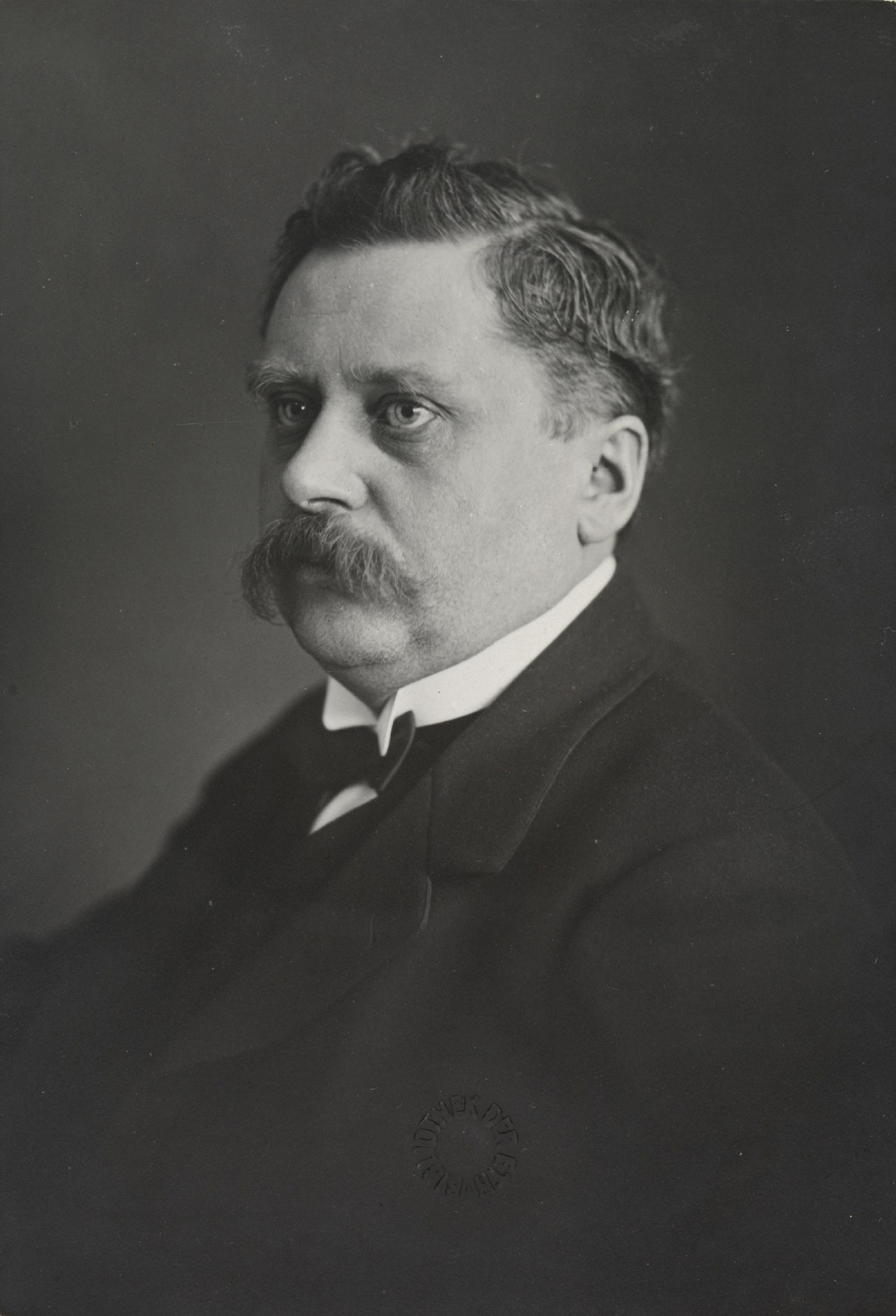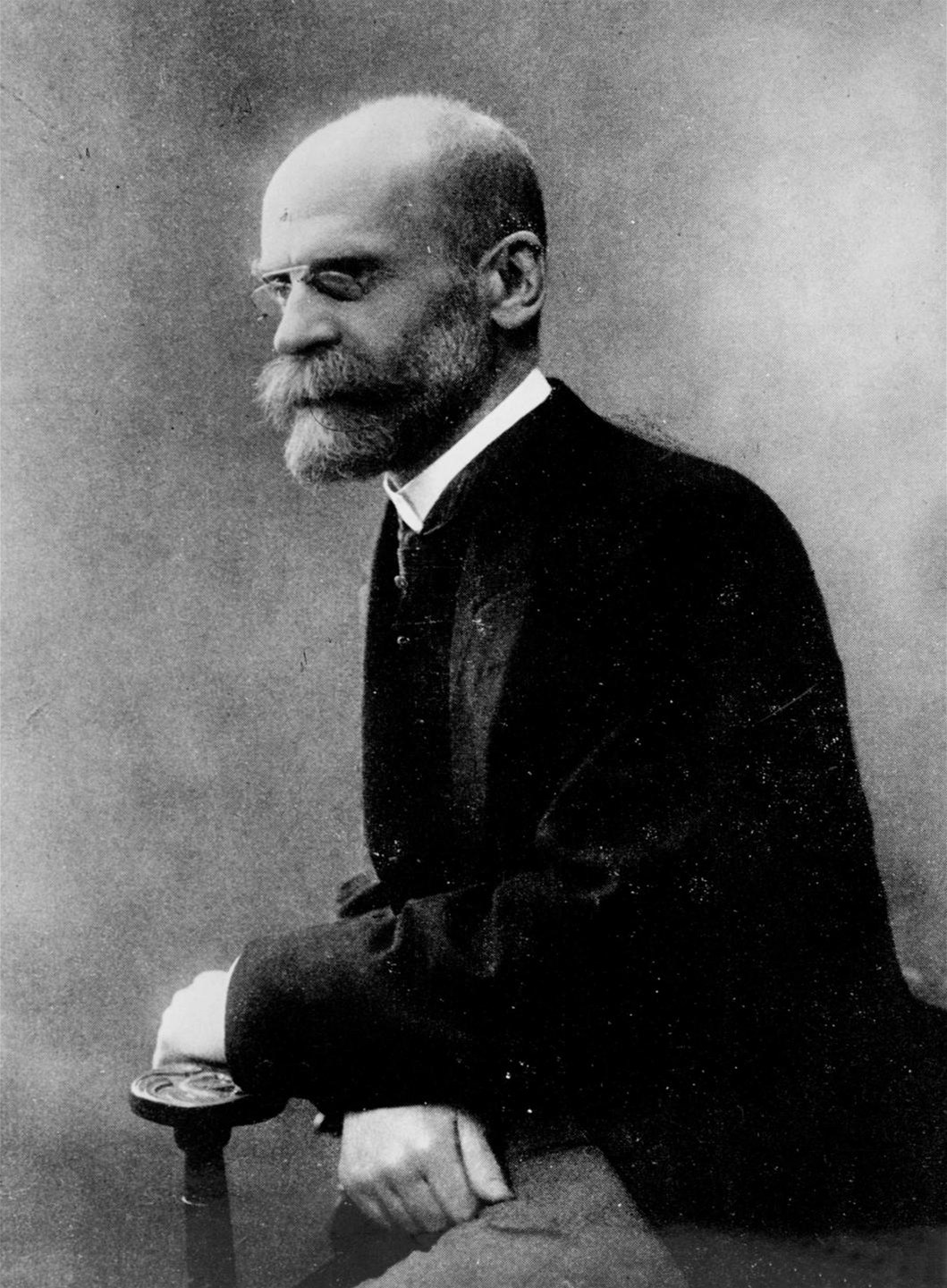
Émile Durkheim (1858 – 1917) was a towering figure in France and world history, widely celebrated as French Sociologist, Principal Architect of Modern Social Science. Their transformative contributions left an enduring imprint on human civilization.
At a Glance: Émile Durkheim
Major Historical Impact & Defining Contributions
Born on April 15, 1858, in Épinal into a devout rabbinical family, Émile Durkheim turned to secular scholarship and graduated from the prestigious École Normale Supérieure in Paris. Dedicated to establishing sociology as an independent, rigorous empirical science, Durkheim was appointed professor at the University of Bordeaux in 1887, where he taught France's first university course in social science. In his 1893 doctoral dissertation 'The Division of Labour in Society', he analyzed how modern industrial societies transition from mechanical solidarity (shared similarities in traditional communities) to organic solidarity (interdependent specialization). In 'The Rules of Sociological Method' (1895), Durkheim established that sociology must treat 'social facts as things'—forces external to the individual that exert coercive power over behavior. He put this methodology into practice in his landmark 1897 case study 'Suicide', proving that even the most seemingly private individual act is shaped by social integration and moral regulation, identifying egoistic, altruistic, anomic, and fatalistic suicide. In 1902, Durkheim became chair of education and sociology at the Sorbonne. In 1912, he published 'The Elementary Forms of the Religious Life', arguing that religious rituals are fundamentally the symbolic worship of society itself. Durkheim passed away on November 15, 1917, leaving a structural-functionalist legacy that anchors modern sociology.
Key Milestones, Works & Enduring Achievements
Throughout an extraordinary journey, Émile Durkheim established landmark milestones that continue to inspire scholars, creators, and leaders:
- The Division of Labour in Society (De la division du travail social, 1893)
- The Rules of Sociological Method (Les Règles de la méthode sociologique, 1895)
- Suicide: A Study in Sociology (Le Suicide, 1897 - Groundbreaking statistical sociological study)
- The Elementary Forms of the Religious Life (Les Formes élémentaires de la vie religieuse, 1912)
- Founding of L'Année Sociologique (1898 - World's first major social science journal)
Enduring Philosophy & Timeless Words
Reflecting on human nature, duty, and excellence, Émile Durkheim also observed:
Read All Curated Quotes & Tributes
Explore our comprehensive collection of inspiring quotes, personal reflections, and historical tributes honoring Émile Durkheim on November 15.