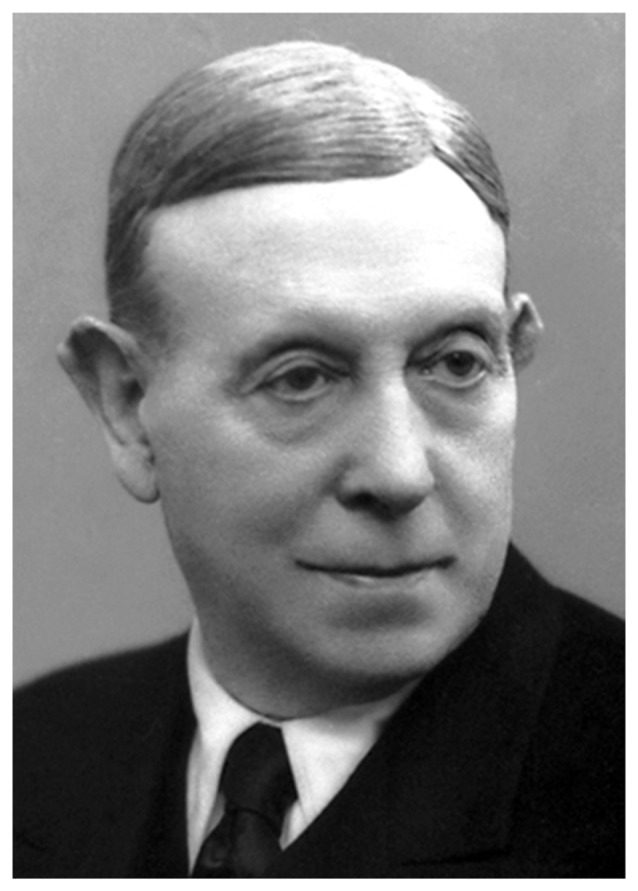
A comprehensive, deeply researched biography of António Egas Moniz (Nobel Laureate Neurologist, Statesman & Developer of Cerebral Angiography) on November 13, exploring formative y...
Every year on November 13, the world commemorates the extraordinary life and legacy of António Egas Moniz (Nobel Laureate Neurologist, Statesman & Developer of Cerebral Angiography). Celebrated across Portugal and worldwide for defining contributions to science, their life remains an inspiring beacon of human courage, vision, and excellence.
Fast Facts & Historical Significance
Profession & Arena: Nobel Laureate Neurologist, Statesman & Developer of Cerebral Angiography
Nation of Origin: Portugal
Historic Category: science
Historical Milestone: Celebrated on November 13 for enduring world impact
1. Early Foundations, Background & Formative Years
Born in Avanca, Portugal on November 29, 1874, António Caetano de Abreu Freire Egas Moniz studied medicine at the University of Coimbra, later pursuing neurology and psychiatry in Paris and Bordeaux under Jean-Martin Charcot's disciples. Moniz was a polymath who balanced high-level scientific research with active political statesmanship: he served in the Portuguese Parliament, was appointed Ambassador to Spain, and led the Portuguese delegation to the 1919 Paris Peace Conference after World War I, signing the Treaty of Versailles. In 1927, Moniz achieved an epochal medical breakthrough that revolutionized twentieth-century neuroscience: he developed "cerebral angiography." By injecting radiopaque contrast medium (sodium iodide, and later thorotrast) into the carotid artery, Moniz made it possible for the very first time in human history to visualize intracranial blood vessels and diagnose brain tumors, aneurysms, and vascular malformations on X-ray films. For this monumental diagnostic innovation, Moniz was nominated twice for the Nobel Prize. In the 1930s, seeking surgical treatments for severe, intractable psychiatric disorders in an era preceding psychotropic medications, Moniz developed prefrontal leucotomy (lobotomy), for which he was awarded the 1949 Nobel Prize in Physiology or Medicine (shared with Swiss neurophysiologist Walter Rudolf Hess). While the subsequent over-extension of lobotomy by later practitioners drew intense historical controversy, Moniz's invention of cerebral angiography remains a foundational, universally celebrated pillar of modern neurosurgery and neuroradiology. Passing away in Lisbon on November 13, 1955 at age 80, Egas Moniz stands as Portugal's premier scientific pioneer.
Growing up in Portugal, António Egas Moniz was guided by an innate curiosity, unwavering discipline, and a refusal to accept mediocrity. These formative experiences forged the intellectual and moral bedrock that would later define their world-changing accomplishments.
2. Defining Achievements & Global Career Breakthroughs
Across decades of dedicated service and relentless practice, António Egas Moniz redefined standards of excellence in science. Whether breaking barriers, innovating masterworks, or transforming public perception, their career represents the pinnacle of professional dedication.
3. Philosophy, Quotations & Guiding Worldview
Throughout their life, António Egas Moniz articulated profound insights into human potential, creative resilience, and moral responsibility. Their words continue to offer timeless guidance for succeeding generations.
4. Key Milestones & Notable Works
Invented cerebral angiography (1927), enabling the first radiological imaging of brain blood vessels
Awarded the Nobel Prize in Physiology or Medicine (1949)
Foundational contributions to the diagnosis of intracranial aneurysms and brain tumors
Served as Portuguese Minister for Foreign Affairs and signed the 1919 Treaty of Versailles
Author of classic medical and historical treatises, including Diagnostic des tumeurs cérébrales
5. The Enduring Legacy of António Egas Moniz
Generations of practitioners, scholars, and future leaders trace their inspiration directly to the path blazed by António Egas Moniz. Their courage reminds us that true greatness requires relentless perseverance, creative boldness, and a lifelong commitment to uplifting humanity.
6. Frequently Asked Questions (FAQ)
António Egas Moniz was an eminent Portuguese neurologist and statesman who developed cerebral angiography in 1927—revolutionizing neurosurgery by enabling doctors to visualize brain vessels—and won the 1949 Nobel Prize in Physiology or Medicine.
António Egas Moniz was born in Avanca, Estarreja, Kingdom of Portugal.
Among their most celebrated accomplishments:
Invented cerebral angiography (1927), enabling the first radiological imaging of brain blood vessels
Awarded the Nobel Prize in Physiology or Medicine (1949)
Foundational contributions to the diagnosis of intracranial aneurysms and brain tumors
Served as Portuguese Minister for Foreign Affairs and signed the 1919 Treaty of Versailles
Author of classic medical and historical treatises, including Diagnostic des tumeurs cérébrales
November 13 marks the historic milestone associated with António Egas Moniz, celebrated across Portugal and around the world.
Celebrate António Egas Moniz
Explore their full biography profile or share curated inspirational quotes and wishes.