Augustine of Hippo Biography (November 13): Life, Achievements & World Impact
A comprehensive, deeply researched biography of Augustine of Hippo (Roman Bishop, Philosopher, Theologian & Author of Confessions) on November 13, exploring formative years, defini...
Every year on November 13, the world commemorates the extraordinary life and legacy of Augustine of Hippo (Roman Bishop, Philosopher, Theologian & Author of Confessions). Celebrated across Numidia (Algeria) and worldwide for defining contributions to literature, their life remains an inspiring beacon of human courage, vision, and excellence.
Fast Facts & Historical Significance
Profession & Arena: Roman Bishop, Philosopher, Theologian & Author of Confessions
Nation of Origin: Numidia (Algeria)
Historic Category: literature
Historical Milestone: Celebrated on November 13 for enduring world impact
1. Early Foundations, Background & Formative Years
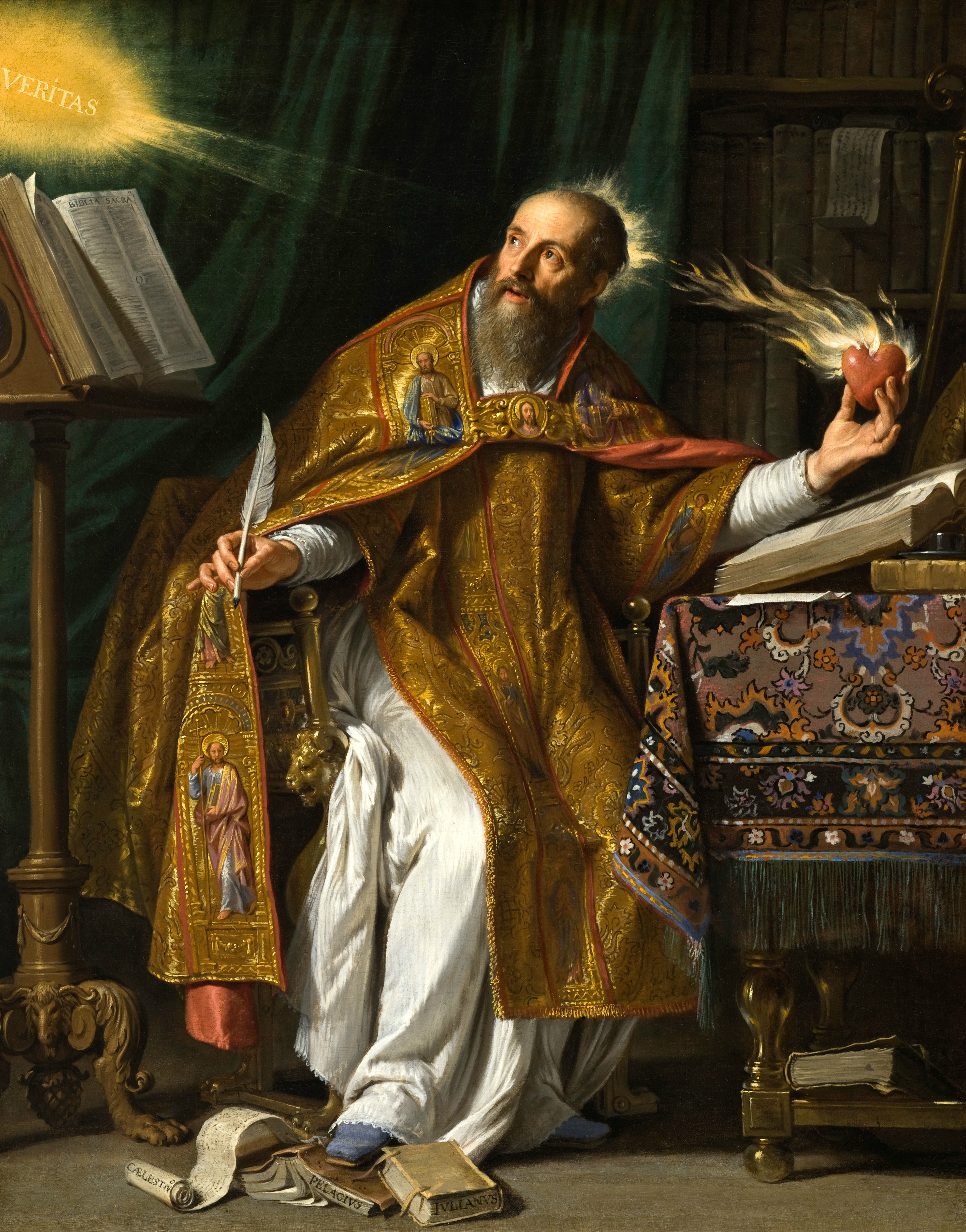
Born in Thagaste, Numidia (modern Souk Ahras, Algeria) on November 13, 354 AD to a pagan father and a devout Christian mother, Saint Monica, Augustine was educated in classical rhetoric at Carthage. In his youth, he struggled intensely with moral, philosophical, and spiritual questions, exploring Manichaeism and Neo-Platonism before serving as public professor of rhetoric in Milan. In 386 AD, influenced by the sermons of Bishop Ambrose and a transformative spiritual awakening in a Milanese garden, Augustine embraced Christianity and was baptized. Returning to North Africa, he established a monastic community and was consecrated Bishop of Hippo Regius (modern Annaba, Algeria) in 395 AD, serving until his death during the Vandal siege of the city in 430 AD. Augustine was a prolific and revolutionary intellectual. In his autobiographical masterwork "Confessions" (c. 397–400 AD), he pioneered the introspective psychological memoir, probing the depths of human motivation, original sin, and divine grace. In "The City of God" (De civitate Dei, 413–426 AD), written in response to the 410 AD Visigothic sack of Rome, Augustine formulated a profound philosophy of history, contrasting the transient earthly city with the eternal heavenly city. Formulating foundational concepts in the nature of time, epistemology, and the philosophy of free will, Augustine of Hippo stands as one of the most influential thinkers in Western intellectual history.
Growing up in Numidia (Algeria), Augustine of Hippo was guided by an innate curiosity, unwavering discipline, and a refusal to accept mediocrity. These formative experiences forged the intellectual and moral bedrock that would later define their world-changing accomplishments.
2. Defining Achievements & Global Career Breakthroughs
Across decades of dedicated service and relentless practice, Augustine of Hippo redefined standards of excellence in literature. Whether breaking barriers, innovating masterworks, or transforming public perception, their career represents the pinnacle of professional dedication.
3. Philosophy, Quotations & Guiding Worldview
Throughout their life, Augustine of Hippo articulated profound insights into human potential, creative resilience, and moral responsibility. Their words continue to offer timeless guidance for succeeding generations.
4. Key Milestones & Notable Works
Confessions (Confessiones, c. 397–400 AD)
The City of God (De civitate Dei, 413–426 AD)
On the Trinity (De Trinitate)
On Christian Doctrine (De doctrina Christiana)
Formulated foundational theories of psychological memory, divine grace, and the philosophy of time
5. The Enduring Legacy of Augustine of Hippo
Generations of practitioners, scholars, and future leaders trace their inspiration directly to the path blazed by Augustine of Hippo. Their courage reminds us that true greatness requires relentless perseverance, creative boldness, and a lifelong commitment to uplifting humanity.
6. Frequently Asked Questions (FAQ)
Saint Augustine of Hippo was a towering North African philosopher, Roman bishop, and theologian whose foundational writings—most notably Confessions and The City of God—profoundly shaped Western philosophy, theology, psychology, and concepts of human will and memory.
Augustine of Hippo was born in Thagaste, Numidia (modern Souk Ahras, Algeria).
Among their most celebrated accomplishments:
Confessions (Confessiones, c. 397–400 AD)
The City of God (De civitate Dei, 413–426 AD)
On the Trinity (De Trinitate)
On Christian Doctrine (De doctrina Christiana)
Formulated foundational theories of psychological memory, divine grace, and the philosophy of time
November 13 marks the historic milestone associated with Augustine of Hippo, celebrated across Numidia (Algeria) and around the world.
Celebrate Augustine of Hippo
Explore their full biography profile or share curated inspirational quotes and wishes.