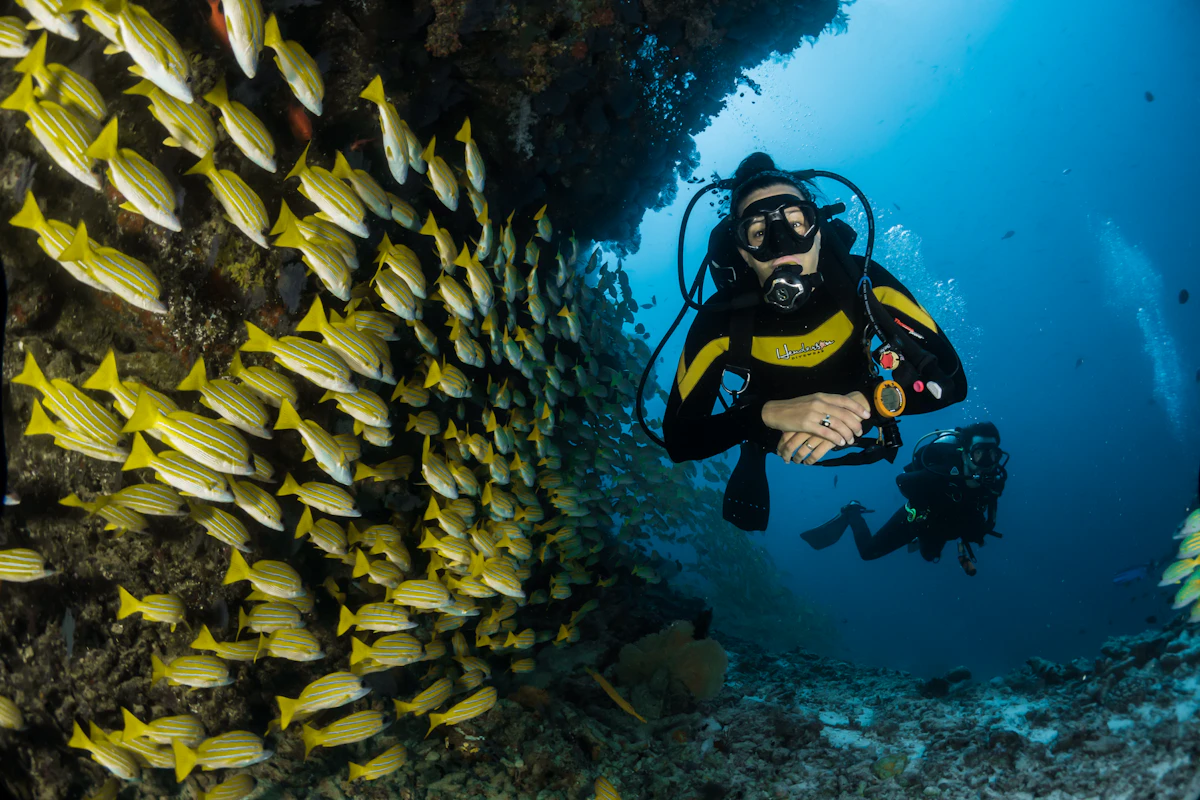
Guardians of the Blue Planet: World Fisheries Day
On November 21, 1997, representatives of small-scale artisanal fishing communities from eighteen nations met in New Delhi, India, to establish the World Forum of Fish Harvesters and Fish Workers (WFF). Proclaiming November 21 as World Fisheries Day, the founders demanded international recognition of traditional maritime rights, strict protection against industrial trawling, and sustainable management of oceanic ecosystems that nourish billions across the globe.
Oceans Under Siege: The Crisis of Global Stocks
According to the Food and Agriculture Organization (FAO), over 35% of the world's assessed marine fish stocks are currently fished beyond biologically sustainable limits, while an additional 57% are maximally exploited. Destructive bottom trawling obliterates fragile deep-sea coral reefs, while Illegal, Unreported, and Unregulated (IUU) fishing robs developing coastal nations of tens of billions of dollars annually and drives vulnerable species toward extinction.
The Indispensable Role of Artisanal Fishers
Small-scale artisanal fisheries account for approximately 40% of the global wild fish catch and employ nine out of ten fish workers worldwide, more than half of whom are women involved in post-harvest processing and marketing. These communities possess invaluable generational ecological knowledge, operating with far lower carbon emissions and minimal bycatch compared to massive industrial factory fleets.
| Marine Conservation Challenge | Ecological & Human Impact | Sustainable Policy Solution |
|---|---|---|
| Overfishing & IUU Fishing | Depletes commercial fish populations; starves marine predators. | Enforcing mandatory satellite AIS tracking; strict port-state catch documentation. |
| Ocean Plastic & Ghost Nets | Entangles marine megafauna; breaks into toxic microplastics. | Deploying biodegradable fishing gear; comprehensive port disposal subsidies. |
| Climate-Driven Ocean Warming | Shifts fish migration poleward; bleaches vital coral reefs. | Expanding Marine Protected Areas (MPAs) to cover 30% of global oceans by 2030. |
| Coastal Habitat Loss | Destroys nursery grounds in mangroves, kelp forests, and estuaries. | Community-led mangrove reforestation and coastal wetland restoration programs. |
Safeguarding Aquatic Food Systems
Aquatic foods provide critical, bioavailable animal protein and essential micronutrients—including omega-3 fatty acids, iodine, and zinc—to more than 3.3 billion people. On World Fisheries Day, nations, coastal cooperatives, and consumers unite to demand sustainable seafood certifications, empower artisanal harvesters, and defend the health of the living oceans that sustain life on Earth.


