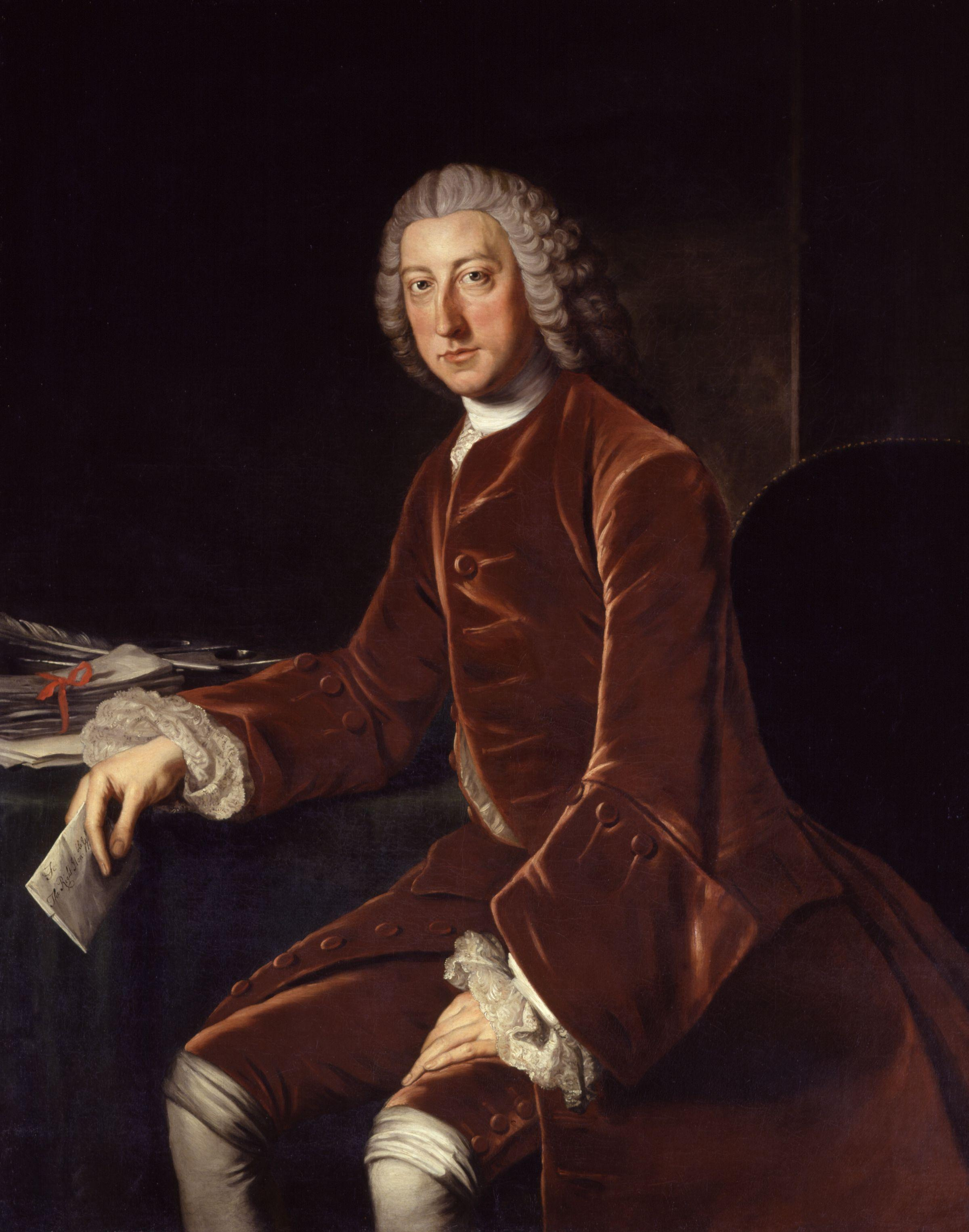
William Pitt the Elder (1708 – 1778) was a towering figure in United Kingdom and world history, widely celebrated as Prime Minister of Great Britain & Architect of the British Empire. Their transformative contributions left an enduring imprint on human civilization.
At a Glance: William Pitt the Elder
Major Historical Impact & Defining Contributions
Born in London on November 15, 1708, William Pitt was educated at Eton and Trinity College, Oxford. Entering Parliament in 1735, Pitt quickly distinguished himself as 'The Great Commoner' for his electrifying oratory and staunch refusal to enrich himself through public office. When the Seven Years' War (known in North America as the French and Indian War) broke out, Britain faced catastrophic early defeats. Appointed Secretary of State in 1756, Pitt took absolute control of military strategy. He financed Frederick the Great of Prussia on the European continent while focusing British naval and expeditionary might on seizing French colonial possessions across Canada, the Caribbean, and India. The spectacular triumphs of 'Annus Mirabilis' in 1759 (including Wolfe's capture of Quebec) established Britain as the preeminent global superpower. Serving as Prime Minister from 1766 to 1768 as the 1st Earl of Chatham, Pitt vigorously defended the American colonists against unconstitutional taxation, famously declaring in Parliament: 'I rejoice that America has resisted!' Collapsing in the House of Lords during a final, impassioned debate on American reconciliation in April 1778, Pitt died on May 11, 1778, buried with national honors in Westminster Abbey.
Key Milestones, Works & Enduring Achievements
Throughout an extraordinary journey, William Pitt the Elder established landmark milestones that continue to inspire scholars, creators, and leaders:
- Wartime leader of Great Britain during the Seven Years' War (1756–1763)
- Prime Minister of Great Britain (1766–1768)
- Speeches opposing the Stamp Act and parliamentary taxation of the American colonies (1766)
- Famous defense of the common citizen's home ('The poorest man may in his cottage bid defiance...')
- Namesake of the city of Pittsburgh, Pennsylvania
Enduring Philosophy & Timeless Words
Reflecting on human nature, duty, and excellence, William Pitt the Elder also observed:
Read All Curated Quotes & Tributes
Explore our comprehensive collection of inspiring quotes, personal reflections, and historical tributes honoring William Pitt the Elder on November 15.