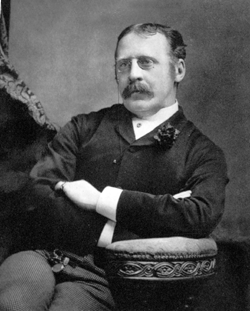
Every year on November 4, the international community commemorates Wilfred Owen (Foremost English War Poet of World War I, Soldier & Author of "Dulce et Decorum Est"). Celebrated across United Kingdom and worldwide for defining contributions to literature, their life remains an inspiring beacon of human courage, vision, and excellence.
1. Early Foundations, Background & Formative Years
Born in Oswestry, Shropshire, on March 18, 1893, Wilfred Edward Salter Owen was deeply influenced by the Romantic poetry of Keats and Shelley as a youth. Teaching English in Bordeaux, France, when World War I erupted, Owen felt a moral obligation to return to England and enlist in the Artists' Rifles in 1915, eventually being commissioned as a lieutenant in the Manchester Regiment.
Sent to the Western Front in early 1917, Owen experienced the unspeakable slaughter of trench warfare, suffering severe shell shock (neurasthenia) after surviving days trapped in a frozen shell hole beside the dismembered body of a fellow officer. Sent to Craiglockhart War Hospital in Edinburgh to recuperate, Owen met the celebrated anti-war poet Siegfried Sassoon, who recognized Owen’s extraordinary poetic genius and encouraged him to channel his wartime trauma into verse.
In an explosive burst of creative maturity between 1917 and 1918, Owen created a revolutionary poetic voice utilizing innovative half-rhyme (pararhyme) and raw visceral realism to expose what he termed "the Pity of War." Defiantly returning to the front to lead his men, Owen was awarded the Military Cross for gallantry. On the foggy morning of November 4, 1918—while leading his troops across the Sambre–Oise Canal at Ors in northern France—Owen was killed by German machine-gun fire at age twenty-five. The telegram announcing his death arrived at his mother’s home in Shrewsbury on November 11, 1918, just as church bells across Britain were ringing to celebrate the Armistice.
Growing up in United Kingdom, Wilfred Owen was guided by an innate curiosity, unwavering discipline, and a refusal to accept mediocrity. These formative experiences forged the intellectual and moral bedrock that would later define their world-changing accomplishments.
2. Groundbreaking Breakthroughs & Monumental Achievements
Wilfred Owen MC was the foremost English poet of the First World War, renowned for his searing, unsparing verses—including *Dulce et Decorum Est*, *Anthem for Doomed Youth*, and *Strange Meeting*—that exposed the brutal pity and horrors of trench warfare before his tragic death in action on November 4, 1918, exactly one week before the Armistice.
Throughout their career, Wilfred Owen surmounted institutional obstacles, skepticism, and severe adversity. Through unyielding resolve, they established new benchmarks in literature that continue to shape the modern world.
3. Cultural Resonance, Philosophy & World Impact
The philosophical principles embodied by Wilfred Owen extend far beyond regional frontiers. Admirers and scholars across Europe, the Americas, Africa, Asia, and Oceania recognize their timeless contribution to human progress, ethical leadership, and creative mastery.
4. Key Milestones & Notable Works
Notable Achievements & Works
- Dulce et Decorum Est (the definitive anti-war poem exposing "the old Lie")
- Anthem for Doomed Youth ("What passing-bells for these who die as cattle?")
- Strange Meeting ("I am the enemy you killed, my friend")
- Futility & Insensibility (masterpieces of pararhyme and psychological devastation)
- Military Cross (MC, awarded for conspicuous gallantry and leadership in action)
5. Enduring Legacy for Future Generations
On November 4, we reflect upon a legacy that transcends time. For aspiring students, creators, and leaders everywhere, the journey of Wilfred Owen serves as proof that conviction, mastery, and dedication leave an indelible mark upon human history.