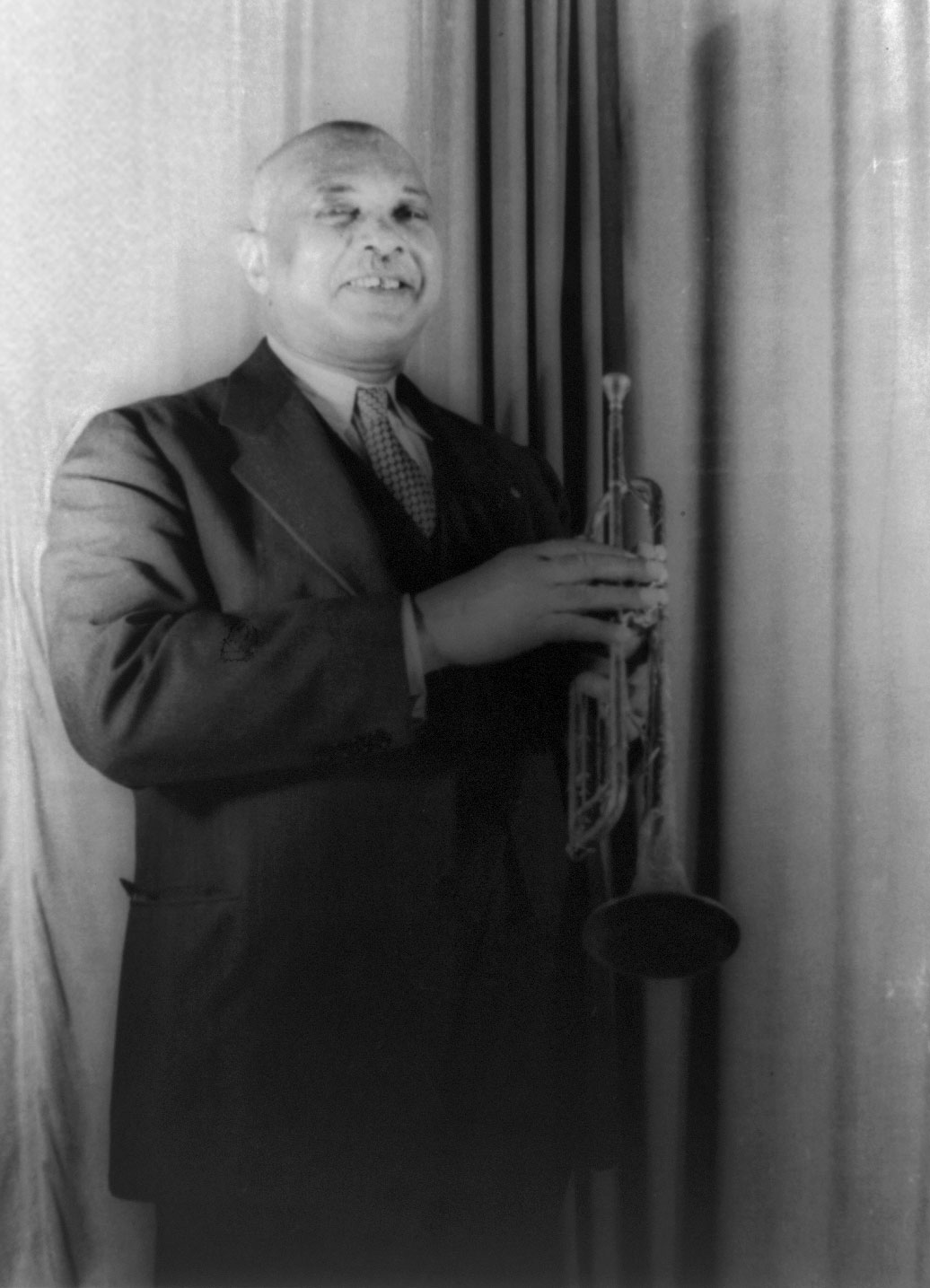
W. C. Handy (1873 – 1958) was a towering figure in United States and world history, widely celebrated as Composer, Cornetist, Bandleader, and 'Father of the Blues'. Their transformative contributions left an enduring imprint on human civilization.
At a Glance: W. C. Handy
Major Historical Impact & Defining Contributions
Born on November 16, 1873, in Florence, Alabama, the son and grandson of Methodist ministers who considered secular music sinful, William Christopher Handy secretly saved money picking nuts and berries to purchase a rotary-valve cornet. As a young man, he worked as a schoolteacher and iron foundry worker while playing in brass bands and minstrel troupes. In 1903, while directing a Black brass band in Clarksdale, Mississippi, Handy experienced an epiphany at a railroad station in Tutwiler: he heard a ragged itinerant guitarist pressing a knife against guitar strings and singing a mournful, repetitive three-line lyric about 'goin' where the Southern cross the Dog'. Recognizing the emotional power of this folk expression, Handy began transcribing folk blues themes, adding orchestral harmonies and syncopated ragtime rhythms. In 1912, he published 'The Memphis Blues'—initially written as a campaign tune for mayoral candidate E.H. Crump—which became the first published blues song in American history. In September 1914, Handy published 'Saint Louis Blues', featuring its famous opening 'I hate to see de ev'nin' sun go down' and an innovative habanera tango rhythm interlude; it became an international phenomenon, performed by Bessie Smith, Louis Armstrong, and Glenn Miller, and one of the most recorded songs in music history. Handy moved to New York in 1917, founding the Pace & Handy Music Company on Broadway and later Handy Brothers Music. In 1928, he produced a landmark blues concert at Carnegie Hall. Despite suffering blindness in later life, Handy remained an active cultural advocate until his death on March 28, 1958, in New York City, where over 150,000 citizens lined the streets of Harlem for his funeral.
Key Milestones, Works & Enduring Achievements
Throughout an extraordinary journey, W. C. Handy established landmark milestones that continue to inspire scholars, creators, and leaders:
- Saint Louis Blues (1914 - One of the most recorded songs in American history)
- The Memphis Blues (1912 - First commercially published blues song)
- Beale Street Blues (1916 - Classic anthem immortalizing Memphis music scene)
- Yellow Dog Blues (1914 - Early 12-bar blues classic)
- Father of the Blues: An Autobiography (1941 - Authoritative musical memoir)
Enduring Philosophy & Timeless Words
Reflecting on human nature, duty, and excellence, W. C. Handy also observed:
Read All Curated Quotes & Tributes
Explore our comprehensive collection of inspiring quotes, personal reflections, and historical tributes honoring W. C. Handy on November 16.