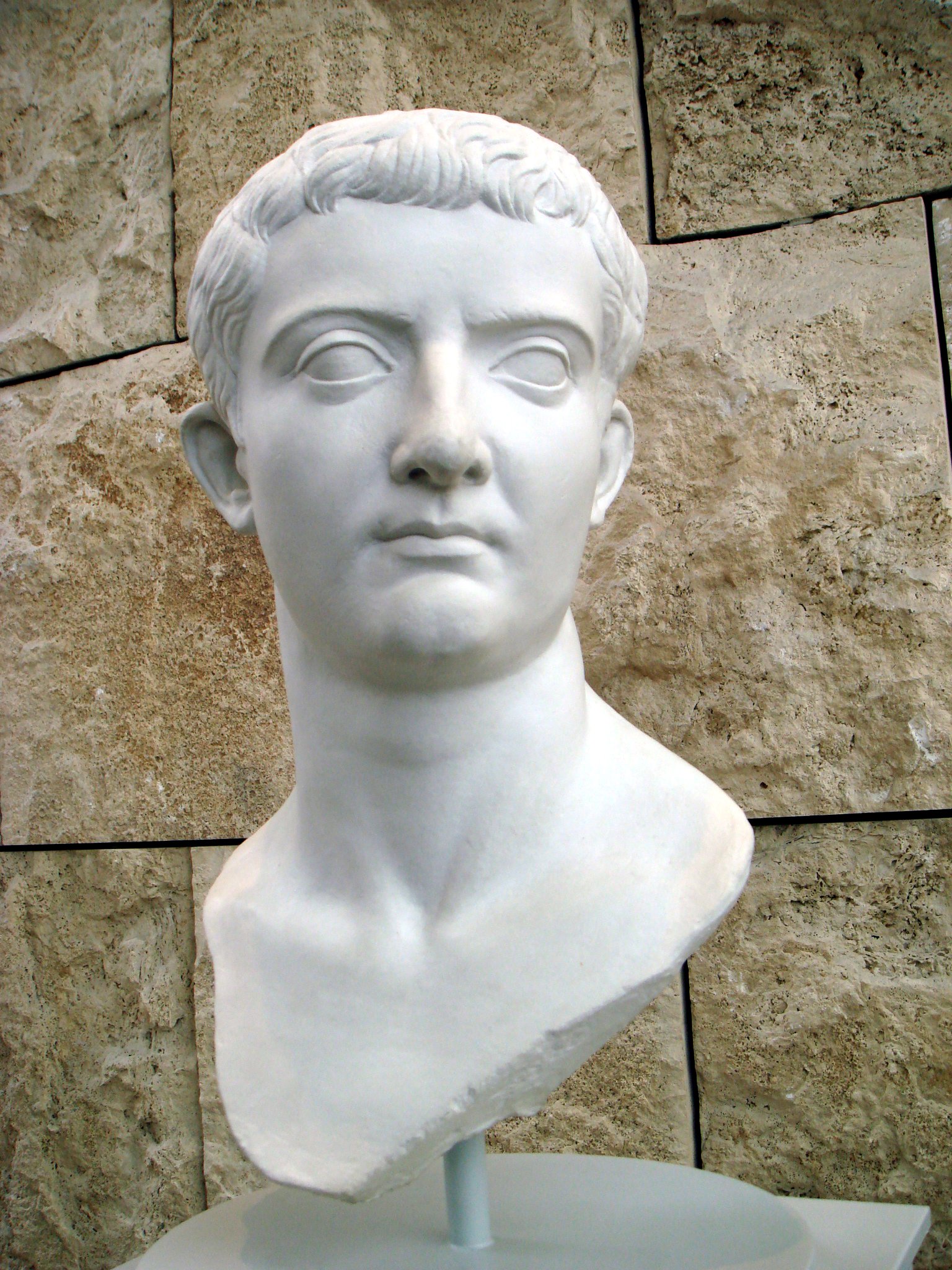
Tiberius (42 BC – AD 37) was a towering figure in Roman Empire and world history, widely celebrated as Second Roman Emperor (AD 14–37), Julio-Claudian Dynasty, and Military Commander. Their transformative contributions left an enduring imprint on human civilization.
At a Glance: Tiberius
Major Historical Impact & Defining Contributions
Born on November 16, 42 BC, in Rome, the son of Tiberius Claudius Nero and Livia Drusilla, Tiberius entered the center of Roman imperial politics when his mother married Octavian (the future Emperor Augustus) in 38 BC. Recognized from early adulthood as an exceptionally methodical, stern, and capable military commander, Tiberius led Roman legions in Spain, Armenia, and Germany. In 20 BC, he successfully negotiated the return of the Roman legionary eagles captured by the Parthians. Between 12 BC and 6 BC, alongside his brother Drusus, Tiberius subdued the tribes of Raetia and Illyricum and established Roman dominion up to the Danube. Compelled by Augustus to divorce his beloved wife Vipsania Agrippina to marry Augustus's daughter Julia, a grief-stricken Tiberius retired abruptly to Rhodes in 6 BC. Following the unexpected deaths of Augustus's grandsons Lucius and Gaius Caesar, Augustus recalled Tiberius in AD 4, formally adopting him as his son and heir. Tiberius demonstrated consummate generalship during the Great Illyrian Revolt (AD 6–9), saving Rome from imminent peril, and restored order to the Rhine frontier following the disaster of the Teutoburg Forest. Ascending the imperial throne in AD 14 upon the death of Augustus, Tiberius refused monarchical flattery and divine honors, famously warning the Senate: 'In a free state, both mind and tongue should be free.' His administrative legacy was marked by strict fiscal austerity, refusing costly military adventures, cracking down on provincial tax abuses, and leaving a surplus of 2.7 billion sesterces in the Roman treasury. Increasingly disillusioned with senate sycophancy and traumatized by treason trials and the treason of his Praetorian Prefect Sejanus, Tiberius retired to the island of Capri in AD 26. He died on March 16, AD 37, at Misenum at age seventy-seven.
Key Milestones, Works & Enduring Achievements
Throughout an extraordinary journey, Tiberius established landmark milestones that continue to inspire scholars, creators, and leaders:
- Consolidation of Roman Imperial Frontiers on the Rhine and Danube
- Suppression of the Great Illyrian Revolt (Bellum Batonianum, AD 6–9)
- Twenty-two-Year Reign as Roman Emperor (AD 14–37)
- Prudent Fiscal Management Leaving 2.7 Billion Sesterces Imperial Surplus
- Establishment of Imperial Governance on the Island of Capri (Villa Jovis)
Enduring Philosophy & Timeless Words
Reflecting on human nature, duty, and excellence, Tiberius also observed:
Read All Curated Quotes & Tributes
Explore our comprehensive collection of inspiring quotes, personal reflections, and historical tributes honoring Tiberius on November 16.