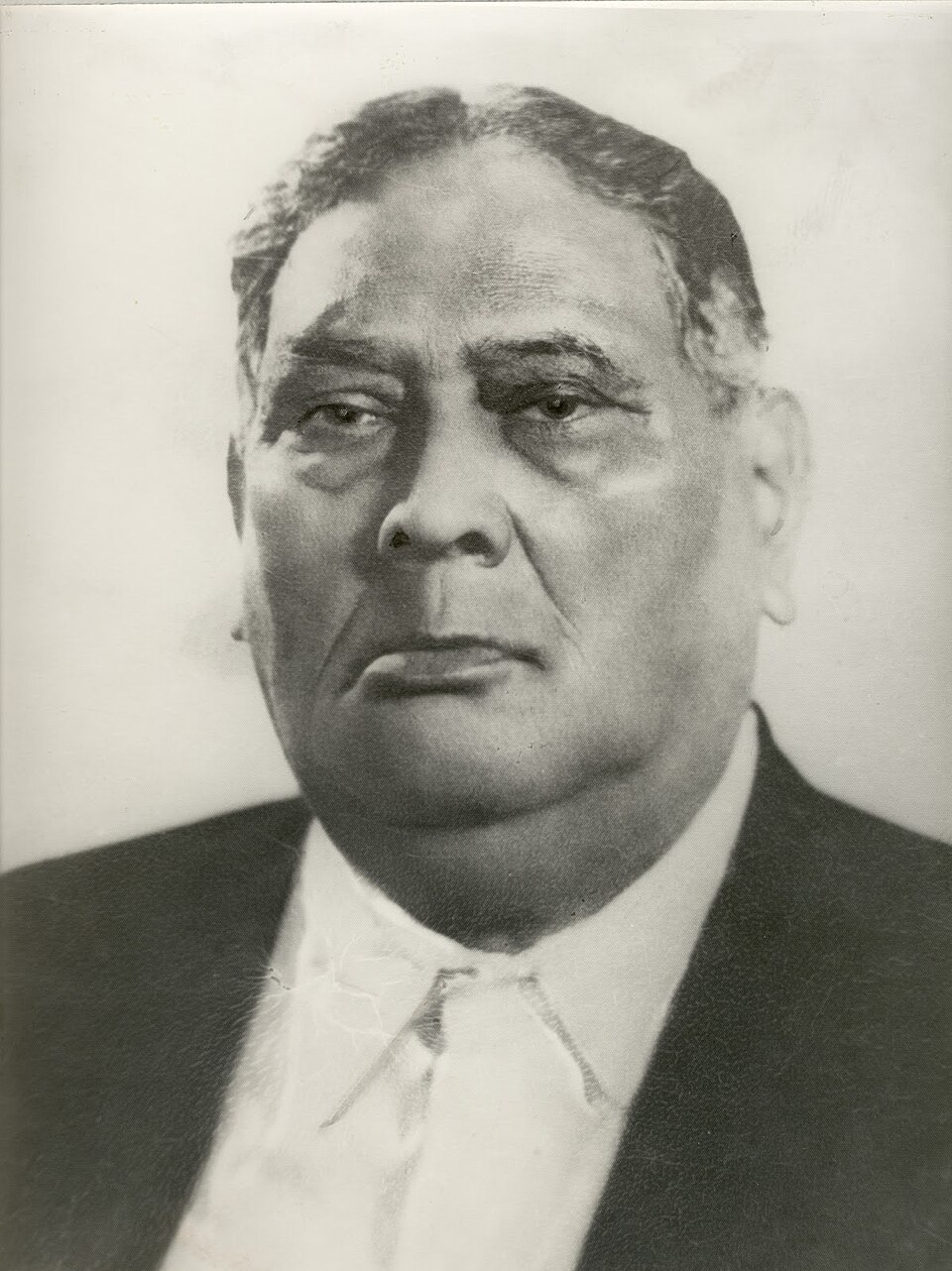
Every year on October 25, the international community commemorates Thomas Babington Macaulay (British Historian, Whig Statesman, Essayist & Principal Author of the Indian Penal Code (IPC 1860)). Celebrated across United Kingdom and worldwide for defining contributions to history, their life remains an inspiring beacon of human courage, vision, and excellence.
1. Early Foundations, Background & Formative Years
Thomas Babington Macaulay was born on October 25, 1800, in Leicestershire. A child prodigy who read voraciously and possessed a photographic memory, Macaulay was educated at Trinity College, Cambridge. Entering the House of Commons in 1830, his stirring, eloquent speeches in favor of parliamentary democracy and the Great Reform Act of 1832 established him as one of the preeminent orators in British history. In 1834, Macaulay was appointed the inaugural Law Member of the Governor-General's Supreme Council in India. Serving as President of the First Indian Law Commission, he undertook the monumental task of codifying a comprehensive, unified penal law for the subcontinent. The result—the Indian Penal Code (drafted in 1837 and enacted in 1860)—remains one of the most enduring and logically drafted criminal legal codes in human history, forming the baseline penal law of modern India, Pakistan, Bangladesh, Myanmar, and Singapore. Equally transformative was his 1835 'Minute on Indian Education', which established English as the official medium of higher instruction across British India, profoundly reshaping the educational trajectory of the subcontinent. Returning to England, Macaulay authored the monumental multi-volume 'The History of England' (1848–1861), which sold hundreds of thousands of copies and shaped the modern Whig interpretation of history. Raised to the peerage as Baron Macaulay in 1857, he was buried in Poets' Corner at Westminster Abbey in 1859.
Growing up in United Kingdom, Thomas Babington Macaulay was guided by an innate curiosity, unwavering discipline, and a refusal to accept mediocrity. These formative experiences forged the intellectual and moral bedrock that would later define their world-changing accomplishments.
2. Groundbreaking Breakthroughs & Monumental Achievements
Thomas Babington Macaulay was a British historian, Whig parliamentarian, and legal theorist whose monumental drafting of the Indian Penal Code (IPC 1860) created the foundational statutory criminal jurisprudence still governing India, Pakistan, and Bangladesh today. Author of the classic 5-volume "History of England", he was also the architect of the 1835 English Education Act in British India.
Throughout their career, Thomas Babington Macaulay surmounted institutional obstacles, skepticism, and severe adversity. Through unyielding resolve, they established new benchmarks in history that continue to shape the modern world.
3. Cultural Resonance, Philosophy & World Impact
The philosophical principles embodied by Thomas Babington Macaulay extend far beyond regional frontiers. Admirers and scholars across Europe, the Americas, Africa, Asia, and Oceania recognize their timeless contribution to human progress, ethical leadership, and creative mastery.
4. Key Milestones & Notable Works
- Principal Drafter of the Indian Penal Code (IPC 1860 - Foundational Law of South Asia)
- The History of England from the Accession of James II (5 Volumes, Multi-Million Best-Seller)
- Minute on Indian Education (1835) - Landmark Subcontinental Educational Policy
- Lays of Ancient Rome (1842) - Celebrated Narrative Poetry Classic
- Member of the British Supreme Council & Buried in Poets’ Corner, Westminster Abbey
5. Enduring Legacy for Future Generations
On October 25, we reflect upon a legacy that transcends time. For aspiring students, creators, and leaders everywhere, the journey of Thomas Babington Macaulay serves as proof that conviction, mastery, and dedication leave an indelible mark upon human history.
6. Frequently Asked Questions (FAQ) About Thomas Babington Macaulay
When and where was Thomas Babington Macaulay born?
Thomas Babington Macaulay was born on 1800-10-25 00:00:00 in Rothley Temple, Leicestershire, Great Britain.
What is Thomas Babington Macaulay globally renowned for?
Thomas Babington Macaulay is world-famous as: British Historian, Whig Statesman, Essayist & Principal Author of the Indian Penal Code (IPC 1860).
What are the foremost achievements of Thomas Babington Macaulay?
Prominent achievements include: Principal Drafter of the Indian Penal Code (IPC 1860 - Foundational Law of South Asia) and The History of England from the Accession of James II (5 Volumes, Multi-Million Best-Seller).
Why is October 25 significant for Thomas Babington Macaulay?
October 25 marks the historic Birthday Anniversary of Thomas Babington Macaulay, celebrated across United Kingdom and around the world.