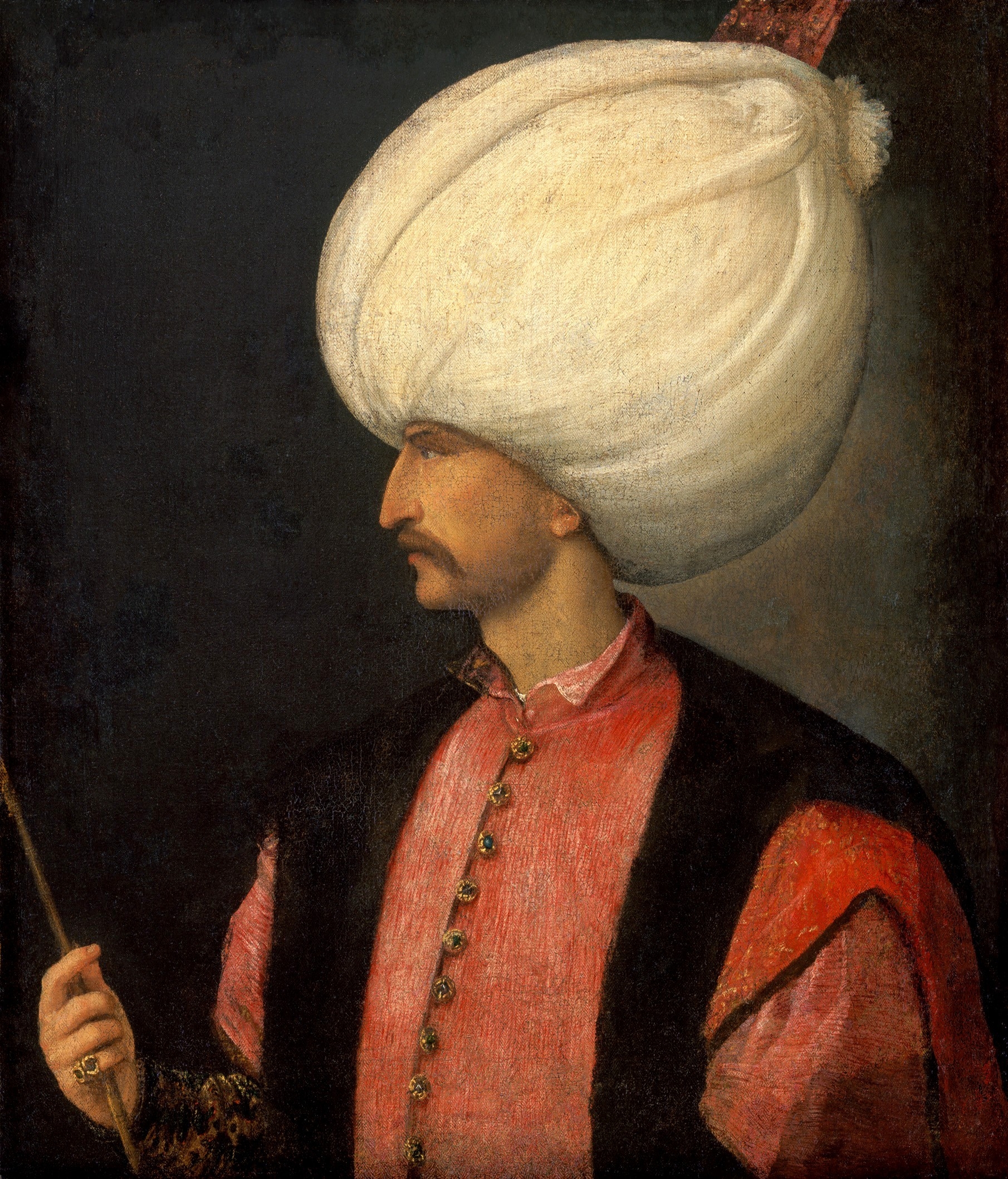
Every year on November 6, the world commemorates the extraordinary life and legacy of Suleiman the Magnificent (Tenth Sultan of the Ottoman Empire, "The Lawgiver" (Kanuni) & Imperial Patron). Celebrated across Turkey and worldwide for defining contributions to history, their life remains an inspiring beacon of human courage, vision, and excellence.
1. Early Foundations, Background & Formative Years
Born in Trabzon on November 6, 1494, Suleiman was the son of Sultan Selim I. Educated in science, history, literature, theology, and military tactics at the Topkapi Palace school in Istanbul, he served as provincial governor of Kaffa and Manisa, learning statecraft from early youth. Upon ascending the throne in September 1520 at age twenty-five, Suleiman embarked on sweeping military campaigns that expanded the empire across Southeast Europe, Western Asia, and North Africa.
Under his personal command, Ottoman armies captured Belgrade (1521), Rhodes (1522), and defeated King Louis II of Hungary at the Battle of Mohács (1526), advancing to the gates of Vienna in 1529. In the Mediterranean, his admiral Hayreddin Barbarossa established naval dominance, while imperial forces annexed vast territories in Iraq and the Caucasus during wars with Safavid Persia. At its peak, his empire ruled over 25 million people across three continents.
Domestically, Suleiman earned his enduring Turkish title Kanuni ("The Lawgiver") by harmonizing religious Sharia law with secular sultanic edicts (Kanun), creating a standardized legal code covering administrative taxation, land tenure, criminal law, and minority protections that remained in effect for over three centuries. A passionate poet writing under the pen name Muhibbi and a munificent patron of the arts, he commissioned master architect Mimar Sinan to construct monumental imperial masterpieces, including the magnificent Süleymaniye Mosque in Istanbul, defining the golden age of Islamic classical civilization.
Growing up in Turkey, Suleiman the Magnificent was guided by an innate curiosity, unwavering discipline, and a refusal to accept mediocrity. These formative experiences forged the intellectual and moral bedrock that would later define their world-changing accomplishments.
2. Defining Achievements & Global Career Breakthroughs
Across decades of dedicated service and relentless practice, Suleiman the Magnificent redefined standards of excellence in history. Whether breaking barriers, innovating masterworks, or transforming public perception, their career represents the pinnacle of professional dedication.
3. Philosophy, Quotations & Guiding Worldview
Throughout their life, Suleiman the Magnificent articulated profound insights into human potential, creative resilience, and moral responsibility. Their words continue to offer timeless guidance for succeeding generations.
4. Key Milestones & Notable Works
- Codified the unified Ottoman legal system (Kanun-i Osmani), earning the title "The Lawgiver"
- Presided over the golden age of the Ottoman Empire for 46 years (1520–1566)
- Commissioned the iconic Süleymaniye Mosque in Istanbul, designed by Mimar Sinan
- Patronized literature, calligraphy, and poetry, composing over 3,000 gazels under the pseudonym Muhibbi
- Expanded imperial sovereignty across the Balkans, Middle East, and North African coastlines
5. The Enduring Legacy of Suleiman the Magnificent
Generations of practitioners, scholars, and future leaders trace their inspiration directly to the path blazed by Suleiman the Magnificent. Their courage reminds us that true greatness requires relentless perseverance, creative boldness, and a lifelong commitment to uplifting humanity.