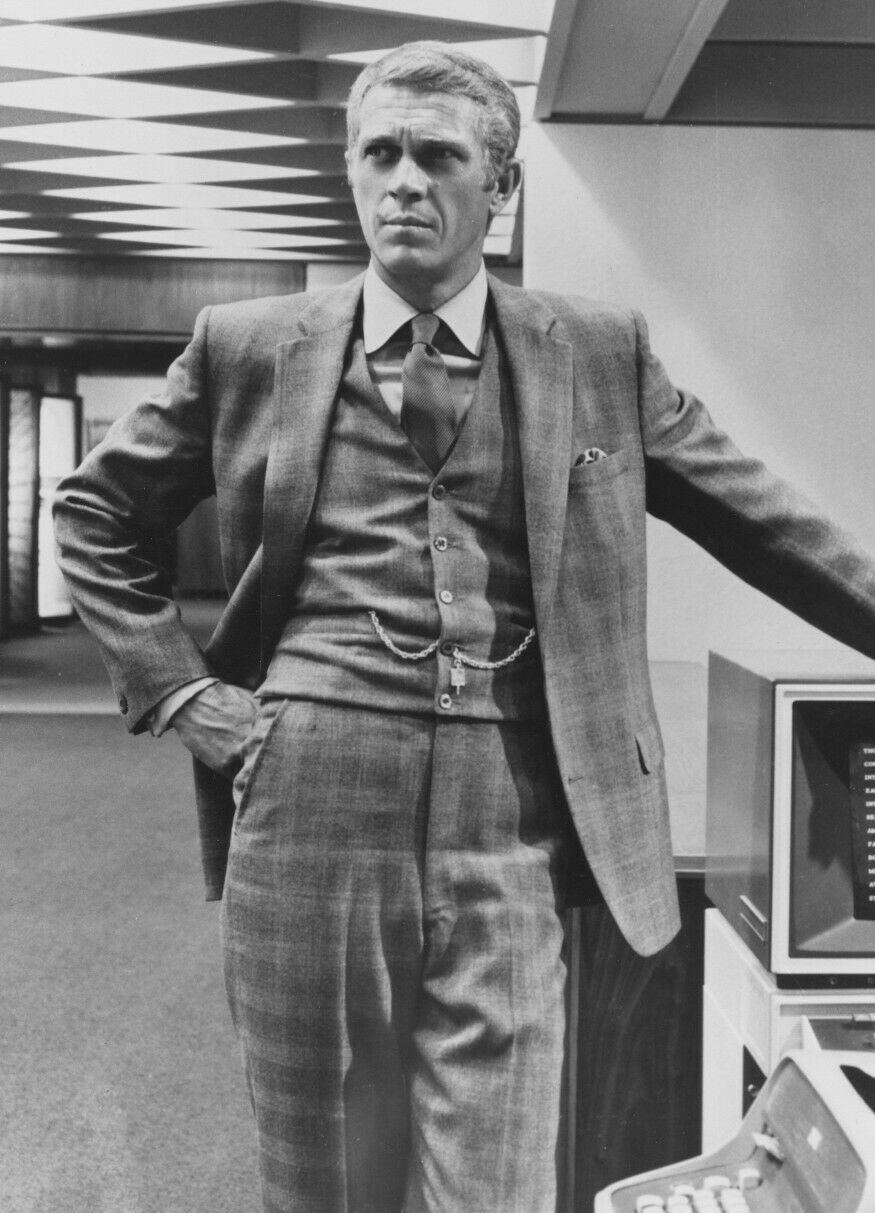
Every year on November 7, the world commemorates the extraordinary life and legacy of Steve McQueen (American Film Actor, Motorsport Racer & Cultural Icon ('The King of Cool')). Celebrated across United States and worldwide for defining contributions to cinema, their life remains an inspiring beacon of human courage, vision, and excellence.
1. Early Foundations, Background & Formative Years
Terrence Stephen McQueen was born on March 24, 1930, in Beech Grove, Indiana. Abandoned by his stunt-pilot father in infancy and neglected by an alcoholic mother, McQueen spent a tumultuous youth running with street gangs and was remanded to the California Junior Republic reform school in Chino. At age seventeen, he enlisted in the United States Marine Corps, where he distinguished himself by rescuing five fellow Marines from drowning during an Arctic exercise in Newfoundland.
In 1952, using GI Bill funding, McQueen studied acting in New York at Sanford Meisner's Neighborhood Playhouse and was one of only two students accepted out of two thousand applicants into Lee Strasberg's prestigious Actors Studio. Breakthrough stardom arrived on television as the sawed-off Winchester bounty hunter Josh Randall in Wanted: Dead or Alive (1958–1961).
McQueen exploded into international film stardom in John Sturges' The Magnificent Seven (1960) and The Great Escape (1963), where his iconic barbed-wire motorcycle jump captured the world's imagination. In 1968, as San Francisco detective Frank Bullitt in Bullitt, McQueen set the permanent gold standard for cinematic car chases in his Highland Green 1968 Ford Mustang GT 390. He earned an Academy Award nomination for The Sand Pebbles (1966) and critical acclaim in The Thomas Crown Affair (1968) and Papillon (1973). A world-class professional motorsport racer who finished second overall in the 1970 12 Hours of Sebring, McQueen died on November 7, 1980, in Juárez, Mexico, from mesothelioma caused by asbestos exposure during his Marine Corps naval service, leaving behind an immortal legacy of rugged coolness and cinematic rebellion.
Growing up in United States, Steve McQueen was guided by an innate curiosity, unwavering discipline, and a refusal to accept mediocrity. These formative experiences forged the intellectual and moral bedrock that would later define their world-changing accomplishments.
2. Defining Achievements & Global Career Breakthroughs
Across decades of dedicated service and relentless practice, Steve McQueen redefined standards of excellence in cinema. Whether breaking barriers, innovating masterworks, or transforming public perception, their career represents the pinnacle of professional dedication.
3. Philosophy, Quotations & Guiding Worldview
Throughout their life, Steve McQueen articulated profound insights into human potential, creative resilience, and moral responsibility. Their words continue to offer timeless guidance for succeeding generations.
4. Key Milestones & Notable Works
- Starring role as Captain Virgil Hilts ('The Cooler King') in WWII classic 'The Great Escape' (1963)
- Highland Green Mustang 390 GT car chase in San Francisco noir classic 'Bullitt' (1968)
- Academy Award nomination for Best Actor in Robert Wise's 'The Sand Pebbles' (1966)
- Starring roles in cinema classics 'The Magnificent Seven' (1960), 'The Thomas Crown Affair' (1968), and 'Papillon' (1973)
- Finished 2nd overall in the 12 Hours of Sebring endurance race (1970) driving a Porsche 908/02
- Highest-paid film actor in the world in 1974 with disaster blockbuster 'The Towering Inferno'
5. The Enduring Legacy of Steve McQueen
Generations of practitioners, scholars, and future leaders trace their inspiration directly to the path blazed by Steve McQueen. Their courage reminds us that true greatness requires relentless perseverance, creative boldness, and a lifelong commitment to uplifting humanity.