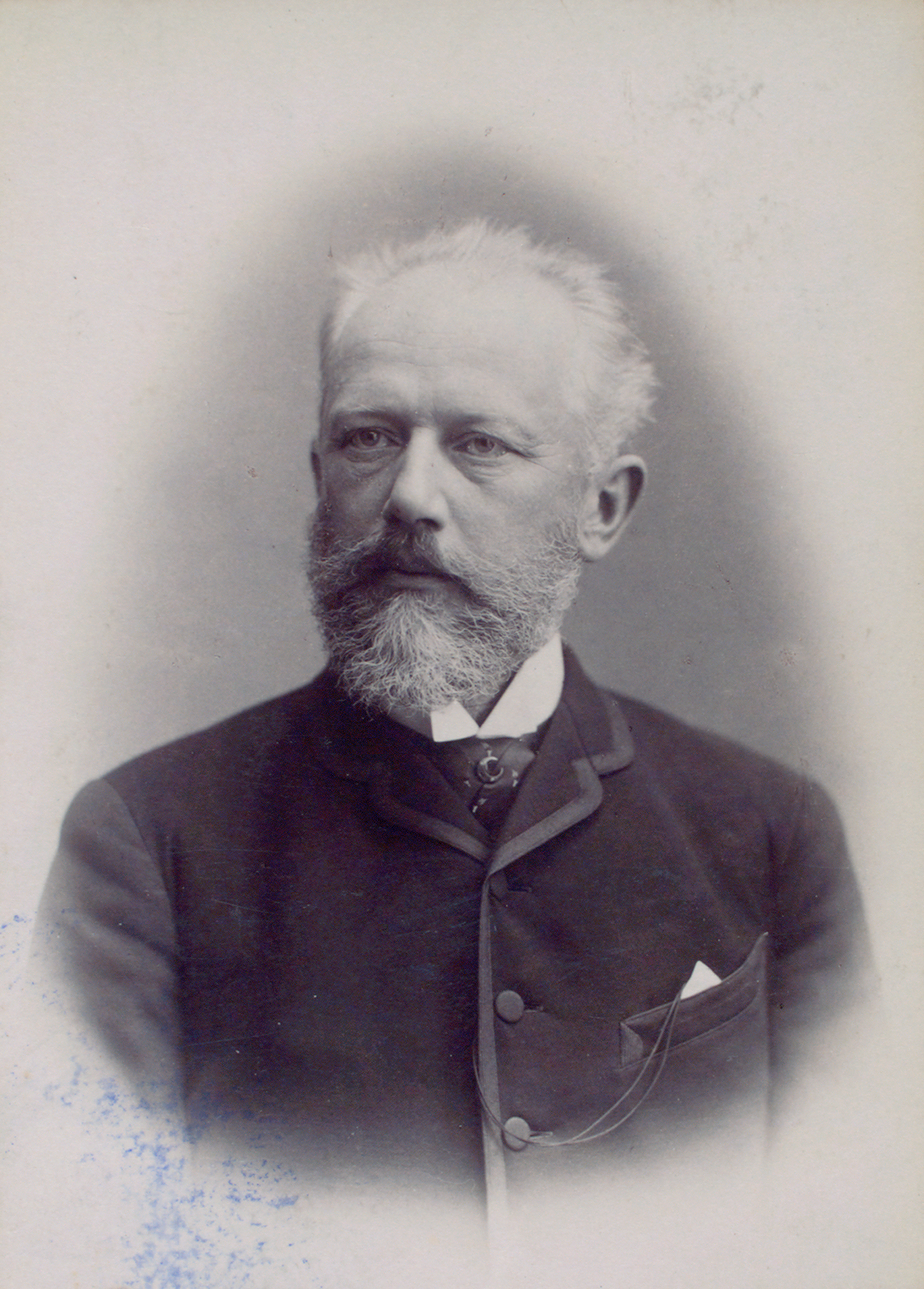
Every year on November 6, the world commemorates the extraordinary life and legacy of Pyotr Ilyich Tchaikovsky (Russian Romantic Composer & Creator of Swan Lake, The Nutcracker and 1812 Overture). Celebrated across Russia and worldwide for defining contributions to music, their life remains an inspiring beacon of human courage, vision, and excellence.
1. Early Foundations, Background & Formative Years
Born in Votkinsk in the Russian Empire on May 7, 1840, Pyotr Ilyich Tchaikovsky displayed an intense sensitivity to music from early childhood. Although trained for a career in civil service at the Imperial School of Jurisprudence in Saint Petersburg, in 1862 he abandoned administrative bureaucracy to enter the newly founded Saint Petersburg Conservatory under Anton Rubinstein, dedicating his life entirely to musical composition.
In 1866, Tchaikovsky became professor of harmony at the Moscow Conservatory. Blending Russian folk melodies and emotional intensity with the refined harmonic traditions of Western European classical music, he forged a distinctively expressive musical language. Supported for thirteen years by his generous patron Nadezhda von Meck—under the strict condition that they never meet in person—Tchaikovsky composed the definitive triumvirate of classical ballets: Swan Lake (1876), The Sleeping Beauty (1889), and The Nutcracker (1892), forever elevating ballet music into symphonic art.
Tchaikovsky's symphonic output stands among the greatest achievements of Romanticism, including his Violin Concerto in D major, Piano Concerto No. 1, and the thundering 1812 Overture. In October 1893, he conducted the premiere of his heartbreaking final masterpiece, Symphony No. 6 in B minor (Pathétique), in Saint Petersburg. Nine days later, on November 6, 1893, Tchaikovsky passed away at the age of fifty-three. His funeral at the Kazan Cathedral drew over 60,000 mourners, and his music continues to enchant, console, and inspire humanity across every continent.
Growing up in Russia, Pyotr Ilyich Tchaikovsky was guided by an innate curiosity, unwavering discipline, and a refusal to accept mediocrity. These formative experiences forged the intellectual and moral bedrock that would later define their world-changing accomplishments.
2. Defining Achievements & Global Career Breakthroughs
Across decades of dedicated service and relentless practice, Pyotr Ilyich Tchaikovsky redefined standards of excellence in music. Whether breaking barriers, innovating masterworks, or transforming public perception, their career represents the pinnacle of professional dedication.
3. Philosophy, Quotations & Guiding Worldview
Throughout their life, Pyotr Ilyich Tchaikovsky articulated profound insights into human potential, creative resilience, and moral responsibility. Their words continue to offer timeless guidance for succeeding generations.
4. Key Milestones & Notable Works
- Composed the immortal ballet triumvirate: Swan Lake (1876), The Sleeping Beauty (1889) & The Nutcracker (1892)
- Symphony No. 6 in B minor "Pathétique" (1893) and Symphony No. 4 and 5
- Piano Concerto No. 1 in B-flat minor (1875) and Violin Concerto in D major (1878)
- 1812 Overture (1880) and Romeo and Juliet Fantasy Overture (1870)
- Operatic masterworks Eugene Onegin (1879) and The Queen of Spades (1890)
5. The Enduring Legacy of Pyotr Ilyich Tchaikovsky
Generations of practitioners, scholars, and future leaders trace their inspiration directly to the path blazed by Pyotr Ilyich Tchaikovsky. Their courage reminds us that true greatness requires relentless perseverance, creative boldness, and a lifelong commitment to uplifting humanity.