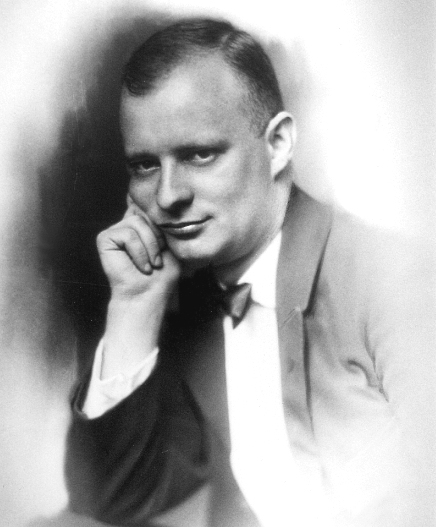
Paul Hindemith (1895 – 1963) was a towering figure in Germany and world history, widely celebrated as Composer, Music Theorist, Violist, Conductor, and Teacher. Their transformative contributions left an enduring imprint on human civilization.
At a Glance: Paul Hindemith
Major Historical Impact & Defining Contributions
Born on November 16, 1895, in Hanau, Germany, Paul Hindemith grew up in modest circumstances, taking up the violin at age nine and entering the Hoch Conservatory in Frankfurt at thirteen. By twenty, he was concertmaster of the Frankfurt Opera Orchestra and later served as the violist of the famous Amar Quartet, performing contemporary chamber music throughout Europe. In the 1920s, Hindemith became a leading figure of the Weimar musical avant-garde, known for his driving motoric rhythms, contrapuntal clarity, and advocacy of 'Gebrauchsmusik'—music composed for practical civic and amateur use rather than esoteric exhibition. In 1934, he composed his monumental symphony 'Mathis der Maler' (Mathis the Painter), based on the life of Renaissance painter Matthias Grünewald and the moral responsibility of the artist during times of social upheaval. Despite a sensational premiere conducted by Wilhelm Furtwängler in Berlin, the Nazi regime denounced Hindemith's modernist music as 'cultural Bolshevism' and banned his works, prompting Joseph Goebbels to attack him publicly. Hindemith fled Germany in 1938, living first in Switzerland and then emigrating to the United States in 1940, where he became a distinguished professor of music theory at Yale University. During his American years, he composed some of his most radiant orchestral works, including 'Symphonic Metamorphosis of Themes by Carl Maria von Weber' (1943) and his contrapuntal keyboard triumph 'Ludus Tonalis' (1942). In his theoretical magnum opus 'The Craft of Musical Composition' (1937), Hindemith formulated an acoustic tonal system rooted in natural overtones as an alternative to Schoenberg's twelve-tone serialism. Returning to Europe in 1953 to teach at the University of Zurich, Hindemith died in Frankfurt on December 28, 1963, at age sixty-eight.
Key Milestones, Works & Enduring Achievements
Throughout an extraordinary journey, Paul Hindemith established landmark milestones that continue to inspire scholars, creators, and leaders:
- Mathis der Maler (Symphony, 1934 & Opera, 1938 - Masterpiece of conscience and art)
- Symphonic Metamorphosis of Themes by Carl Maria von Weber (1943 - Orchestral tour de force)
- Ludus Tonalis (1942 - Landmark modern Well-Tempered Clavier for piano)
- The Craft of Musical Composition (Unterweisung im Tonsatz, 1937 - Theoretical treatise)
- Kammermusik Series (1922–1927 - Brilliant chamber concertos for solo instruments)
Enduring Philosophy & Timeless Words
Reflecting on human nature, duty, and excellence, Paul Hindemith also observed:
Read All Curated Quotes & Tributes
Explore our comprehensive collection of inspiring quotes, personal reflections, and historical tributes honoring Paul Hindemith on November 16.