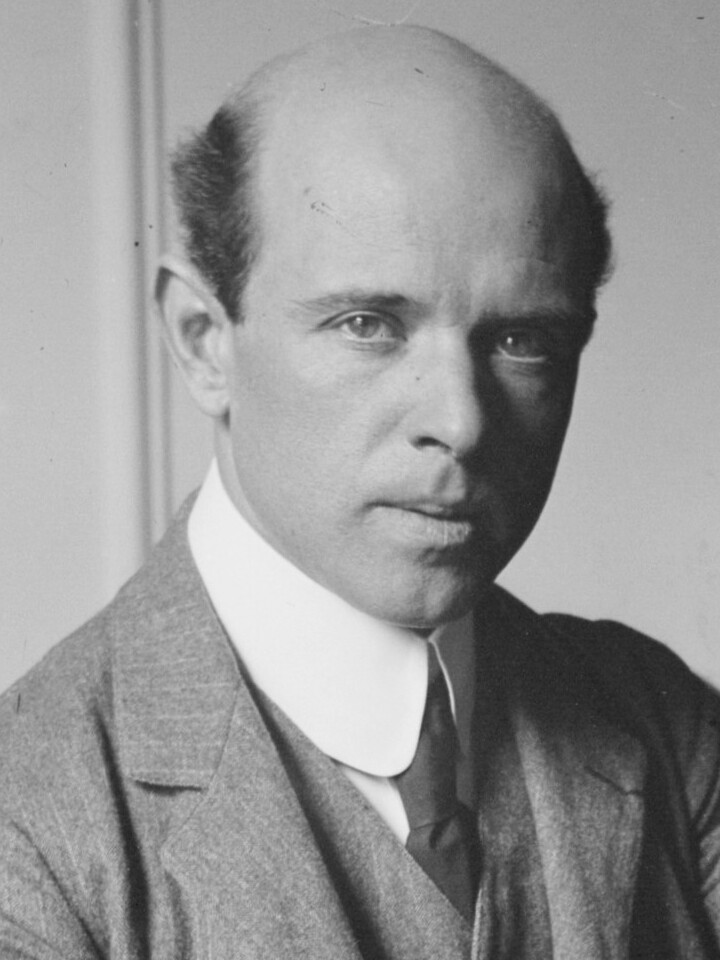
Every year on October 22, the international community commemorates Pablo Casals (Legendary Master Cellist, Conductor, Composer & Universal Humanitarian). Celebrated across Spain / Puerto Rico and worldwide for defining contributions to music, their life remains an inspiring beacon of human courage, vision, and excellence.
1. Early Foundations, Background & Formative Years
Pau Casals i Defilló was born on December 29, 1876, in El Vendrell, Catalonia, Spain. Learning piano, violin, and organ from his father, Casals discovered the violoncello at age eleven. Browsing a second-hand music shop in Barcelona in 1890, the thirteen-year-old Casals stumbled upon an obscure, forgotten score of Johann Sebastian Bach's Six Suites for Unaccompanied Cello. For twelve years, Casals practiced them daily in solitude before performing them publicly, single-handedly transforming the Suites into the pinnacle of the cello repertoire. Casals revolutionized cello technique, introducing relaxed bow-arm mechanics, flexible fingerings, and expressive intonation. He formed the world-famous Cortot-Thibaud-Casals Trio and founded the Pau Casals Orchestra in Barcelona to bring classical music to working-class audiences. When Francisco Franco crushed the Spanish Republic in 1939, Casals went into self-imposed exile in the French Pyrenean village of Prades, vowing never to perform in any country that recognized the fascist regime. In 1950, to commemorate Bach’s bicentenary, the world’s greatest musicians traveled to Prades to perform with Casals, establishing the famous Prades Festival. Relocating to his mother’s homeland of Puerto Rico in 1956, Casals founded the Casals Festival and the Puerto Rico Symphony Orchestra. Awarded the U.S. Presidential Medal of Freedom by John F. Kennedy in 1963 and the U.N. Peace Medal in 1971, he passed away in San Juan on October 22, 1973.
Growing up in Spain / Puerto Rico, Pablo Casals was guided by an innate curiosity, unwavering discipline, and an refusal to accept mediocrity. These formative experiences forged the intellectual and moral bedrock that would later define their world-changing accomplishments.
2. Groundbreaking Breakthroughs & Monumental Achievements
Universally regarded as the supreme cellist of the 20th century, Pablo Casals rediscovered and championed J.S. Bach’s Cello Suites, founded the Prades Festival, and took a steadfast moral stance against totalitarian fascism, receiving the Presidential Medal of Freedom and U.N. Peace Medal.
Throughout their career, Pablo Casals surmounted institutional obstacles, skepticism, and severe adversity. Through unyielding resolve, they established new benchmarks in music that continue to shape the modern world.
3. Cultural Resonance, Philosophy & World Impact
The philosophical principles embodied by Pablo Casals extend far beyond regional frontiers. Admirers and scholars across Europe, the Americas, Africa, Asia, and Oceania recognize their timeless contribution to human progress, ethical leadership, and creative mastery.
4. Key Milestones & Notable Works
- Historic Discovery and Definitive Recordings of J.S. Bach’s Six Suites for Unaccompanied Cello
- Recipient of the United States Presidential Medal of Freedom (1963)
- Recipient of the United Nations Peace Medal (1971)
- Founder of the Historic Prades Festival (1950) and Casals Festival of Puerto Rico (1956)
- Composer of the International Peace Oratorio "El Pessebre" (The Manger)
- Grammy Lifetime Achievement Award Recipient (1989)
5. Enduring Legacy for Future Generations
On October 22, we reflect upon a legacy that transcends time. For aspiring students, creators, and leaders everywhere, the journey of Pablo Casals serves as proof that conviction, mastery, and dedication leave an indelible mark upon human history.
6. Frequently Asked Questions (FAQ) About Pablo Casals
When and where was Pablo Casals born?
Pablo Casals was born on 1876-12-29 00:00:00 in El Vendrell, Catalonia, Spain.
What is Pablo Casals globally renowned for?
Pablo Casals is world-famous as: Legendary Master Cellist, Conductor, Composer & Universal Humanitarian.
What are the foremost achievements of Pablo Casals?
Prominent achievements include: Historic Discovery and Definitive Recordings of J.S. Bach’s Six Suites for Unaccompanied Cello and Recipient of the United States Presidential Medal of Freedom (1963).
Why is October 22 significant for Pablo Casals?
October 22 marks the historic Memorial & Legacy of Pablo Casals, celebrated across Spain / Puerto Rico and around the world.