
November International Days 2026: The Definitive Global Calendar of UN Observances & World Milestones
A comprehensive, authoritative global briefing detailing every major International Day recognized by the United Nations, UNESCO, WHO, ILO, and international treaty bodies across the 30 days of November. From World Vegan Day and International Day to End Impunity for Crimes against Journalists to World Science Day, World Diabetes Day, World Toilet Day, World Children's Day, and the 16 Days of Activism against Gender-Based Violence.
"International days are powerful occasions to educate the public on issues of concern, to mobilize political will and resources to address global problems, and to celebrate and reinforce achievements of humanity." — United Nations
Master Chronological Matrix: November International Days
Explore the complete timetable of international days throughout November. Click on any observance name or briefing button to jump directly to its in-depth historical and action guide.
| Date | Observance & Leading Agency | Mandate / Resolution | Action |
|---|---|---|---|
| November 1 |
World Vegan Day
The Vegan Society & Global Animal Welfare Coalitions
|
Established 1994 by Louise Wallis | Full Briefing |
| November 2 |
International Day to End Impunity for Crimes against Journalists
United Nations & UNESCO
|
UN General Assembly Resolution A/RES/68/163 | Full Briefing |
| November 5 |
World Tsunami Awareness Day
United Nations & UNDRR
|
UN General Assembly Resolution A/RES/70/203 | Full Briefing |
| November 6 | UN General Assembly Resolution A/RES/56/4 | Full Briefing | |
| November 8 |
World Town Planning Day (World Urbanism Day)
International Society of City and Regional Planners (ISOCARP)
|
Established 1949 by Prof. Carlos Maria della Paolera | Full Briefing |
| November 9 |
World Freedom Day
International Democratic & Human Rights Alliances
|
Commemorating the Fall of the Berlin Wall (1989) | Full Briefing |
| November 10 | UNESCO 31 C/Resolution 20 (Adopted 2001) | Full Briefing | |
| November 12 |
World Pneumonia Day
World Health Organization (WHO) & Stop Pneumonia Coalition
|
Established 2009 by Global Coalition against Child Pneumonia | Full Briefing |
| November 13 |
World Kindness Day
World Kindness Movement
|
Inaugurated 1998 in Tokyo, Japan | Full Briefing |
| November 14 |
World Diabetes Day
United Nations & International Diabetes Federation (IDF / WHO)
|
UN General Assembly Resolution A/RES/61/225 | Full Briefing |
| November 15 |
Day of the Imprisoned Writer
PEN International
|
Established 1981 by PEN Writers in Prison Committee | Full Briefing |
| November 16 |
International Day for Tolerance
United Nations & UNESCO
|
UN General Assembly Resolution A/RES/51/95 | Full Briefing |
| November 17 |
International Students' Day
International Union of Students (IUS) & Global Student Coalitions
|
Commemorating the 1939 Anti-Nazi Student Resistance in Prague | Full Briefing |
| November 18 | UN General Assembly Resolution A/RES/77/8 | Full Briefing | |
| November 19 |
World Toilet Day
United Nations & UN-Water
|
UN General Assembly Resolution A/RES/67/291 | Full Briefing |
| November 20 |
World Children's Day (Universal Children's Day)
United Nations & UNICEF
|
UN General Assembly Resolution 836(IX) | Full Briefing |
| November 21 |
World Television Day
United Nations
|
UN General Assembly Resolution A/RES/51/205 | Full Briefing |
| November 25 |
International Day for the Elimination of Violence against Women
United Nations & UN Women
|
UN General Assembly Resolution A/RES/54/134 | Full Briefing |
| November 26 |
World Sustainable Transport Day
United Nations
|
UN General Assembly Resolution A/RES/77/286 | Full Briefing |
| November 29 |
International Day of Solidarity with the Palestinian People
United Nations & UN-CEIRPP
|
UN General Assembly Resolution A/RES/32/40 B | Full Briefing |
| November 30 |
Day of Remembrance for all Victims of Chemical Warfare
United Nations & OPCW (Nobel Peace Laureate)
|
OPCW Conference of the States Parties (Resolution C-20/DEC.10) | Full Briefing |
In-Depth Briefings: History, Science & Action Guides
 November 1
World Vegan Day
Plant-Based Nutrition • Planetary Health • Animal Welfare
Historical Genesis & Founding Catalyst:
World Vegan Day was established on November 1, 1994, by Louise Wallis, then-President of The Vegan Society in the United Kingdom, to commemorate the 50th anniversary of the founding of the society and the coining of the word "vegan" by Donald Watson in November 1944. Watson and his colleagues had sought a term to distinguish non-dairy vegetarians from lacto-vegetarians, taking the beginning and end of "vegetarian" to establish the concept. Over the past three decades, the observance has expanded from a niche ethical movement into a worldwide mainstream phenomenon celebrated by physicians, climatologists, athletes, and culinary innovators.
Global Significance & Sustainable Development Impact:
The scientific consensus published by the UN Intergovernmental Panel on Climate Change (IPCC) and the EAT-Lancet Commission highlights that shifting toward plant-rich diets is one of the single most impactful individual measures to mitigate global greenhouse gas emissions, halt deforestation in tropical biomes, reduce agricultural freshwater consumption, and lower risks of cardiovascular disease and type 2 diabetes. World Vegan Day fosters inclusive dialogue on sustainable food systems that respect planetary boundaries.
Practical Action Guide: 3 Tangible Steps to Observe Today:
Try a 100% Plant-Based Day
Replace meat and dairy for 24 hours with nutrient-dense legumes, tofu, whole grains, nuts, and seasonal vegetables.
Explore the Carbon Footprint of Food
Use interactive food emissions calculators to compare the resource intensity of animal-based versus plant-based proteins.
Support Animal Sanctuaries & Ethical Agriculture
Donate to local rescued farm animal sanctuaries or purchase produce from regenerative organic farmers.
 November 2
International Day to End Impunity for Crimes against Journalists
Press Freedom • Safety of Journalists • Rule of Law
Historical Genesis & Founding Catalyst:
The United Nations General Assembly adopted resolution A/RES/68/163 at its 68th session in December 2013, officially proclaiming November 2 as the International Day to End Impunity for Crimes against Journalists. The date was chosen in solemn commemoration of the assassination of two French radio journalists, Ghislaine Dupont and Claude Verlon, who were abducted and murdered while reporting in Kidal, northeastern Mali, on November 2, 2013. The landmark resolution urges member states to prevent violence against journalists, ensure accountability, bring perpetrators of crimes against media workers to justice, and guarantee victims access to appropriate remedies.
Global Significance & Sustainable Development Impact:
According to UNESCO observatory statistics, nearly 9 out of 10 killings of journalists remain legally unpunished worldwide. Impunity breeds a toxic climate of self-censorship, silencing independent investigations into public corruption, environmental degradation, organized crime, and human rights violations. Protecting media workers is essential for the realization of Sustainable Development Goal 16 (Peace, Justice and Strong Institutions) and defending democratic governance.
Practical Action Guide: 3 Tangible Steps to Observe Today:
Demand Justice for Fallen Reporters
Support campaigns by the Committee to Protect Journalists (CPJ) and Reporters Without Borders (RSF) tracking unprosecuted cases.
Subscribe to Independent Journalism
Directly fund local investigative reporting outlets and community newsrooms that operate free of political coercion.
Advocate for Whistleblower & Press Protections
Call upon parliamentary representatives to enact robust anti-SLAPP legislation and legal shields for journalistic sources.
 November 5
World Tsunami Awareness Day
Disaster Risk Reduction • Early Warning Systems • Coastal Resilience
Historical Genesis & Founding Catalyst:
In December 2015, the UN General Assembly adopted resolution A/RES/70/203, establishing November 5 as World Tsunami Awareness Day following an initiative introduced by Japan, a country with extensive traditional and scientific expertise in tsunami preparedness. The date commemorates the historic Japanese story of "Inamura-no-hi" (the burning of rice sheaves). On November 5, 1854, during the Ansei-Nankai earthquake, village leader Hamaguchi Goryo observed the sudden receding of coastal waters. Recognizing the impending tsunami, he set fire to his harvested rice sheaves on the hilltop, guiding over 400 villagers safely up the slopes to higher ground and saving their lives.
Global Significance & Sustainable Development Impact:
While tsunamis are relatively rare natural phenomena, they are among the most catastrophic and lethal. Over the past century, 58 recorded tsunamis have claimed more than 260,000 lives, most notably the 2004 Indian Ocean tsunami which claimed 227,000 victims across 14 nations. The day advocates for universal early warning systems (UN Early Warnings for All initiative), sea wall engineering, mangrove buffer conservation, and regular coastal evacuation drills.
Practical Action Guide: 3 Tangible Steps to Observe Today:
Know the Natural Warning Signs
Learn the critical warning signs: a severe ground shake, a rapid and unusual ocean retreat exposing the seabed, or a loud roaring sound like a jet engine.
Support Mangrove and Reef Restoration
Back marine conservation projects planting coastal mangrove forests and protecting coral reefs, which act as natural wave shock-absorbers.
Familiarize Yourself with Evacuation Routes
If visiting or residing in a coastal zone, review designated tsunami hazard maps, signposts, and vertical evacuation buildings.
 November 6
International Day for Preventing the Exploitation of the Environment in War and Armed Conflict
Environmental Protection in Conflict • Peacebuilding • Ecological Integrity
Historical Genesis & Founding Catalyst:
On November 5, 2001, the UN General Assembly declared November 6 as the International Day for Preventing the Exploitation of the Environment in War and Armed Conflict through resolution A/RES/56/4. The declaration was catalyzed by the recognition that throughout military history, the environment has been an uncounted casualty of war: water wells poisoned, forests torched, agricultural soil salted, and oil fires intentionally unleashed. The UN Environment Programme (UNEP) has demonstrated that over the last 60 years, at least 40% of all internal conflicts have been linked to the exploitation of high-value natural resources like timber, diamonds, and oil, or scarce resources like fertile land and clean water.
Global Significance & Sustainable Development Impact:
Humanity cannot achieve durable peace if the natural ecosystems that sustain livelihoods and health are obliterated during armed combat. The observance emphasizes that environmental degradation exacerbates poverty, displaces populations, and triggers cyclical flare-ups of violence, making international humanitarian law governing armed conflicts (such as the Geneva Conventions) strictly accountable for ecological damage.
Practical Action Guide: 3 Tangible Steps to Observe Today:
Study the Environmental Footprint of Militaries
Read UNEP conflict and disaster assessments documenting post-war contamination from heavy metals, toxic munitions, and destroyed industrial infrastructure.
Advocate for Ecocide as an International Crime
Support the international legal campaign to include ecocide alongside genocide, war crimes, and crimes against humanity under the Rome Statute of the ICC.
Support Environmental Peacebuilding NGOs
Engage with organizations that facilitate cross-border resource management (such as shared river basins) to build diplomatic trust between rival nations.
 November 8
World Town Planning Day (World Urbanism Day)
Urban Design • Walkable Neighborhoods • Climate-Resilient Cities
Historical Genesis & Founding Catalyst:
World Town Planning Day, also known as World Urbanism Day, was founded in 1949 by the late Professor Carlos Maria della Paolera, a visionary Argentine urbanist and Director of the Urbanism Institute at the University of Buenos Aires. Della Paolera conceived the day to stimulate public and professional interest in regional and urban planning, using the symbolic emblem of the "Threefold Sun" (representing sun, vegetation, and air). Today, planners, architects, and municipal authorities in over 30 countries across four continents commemorate November 8 through international conferences and workshops.
Global Significance & Sustainable Development Impact:
With over 55% of the human population living in metropolitan areas—a figure surging toward 68% by 2050—urban planning is the canvas where climate change, public health, social equity, and economic vitality intersect. Thoughtful town planning replaces sprawling car-dependent concrete with compact, 15-minute cities, integrated mass transit, accessible healthcare hubs, and interconnected urban greenbelts.
Practical Action Guide: 3 Tangible Steps to Observe Today:
Participate in Municipal Public Consultations
Attend town hall meetings or review proposed zoning and master development plans in your municipality to voice community priorities.
Advocate for 15-Minute City Concepts
Support policies ensuring that essential daily services (schools, groceries, parks, healthcare) are accessible within a 15-minute walk or bike ride.
Encourage Brownfield Redevelopment
Promote the rehabilitation of abandoned industrial lands into parks and affordable housing rather than paving over pristine agricultural greenfields.
 November 9
World Freedom Day
Democracy • Human Rights • Overcoming Division • Liberty
Historical Genesis & Founding Catalyst:
World Freedom Day is commemorated globally on November 9 to mark the historic fall of the Berlin Wall on the night of November 9, 1989. For nearly three decades, the 155-kilometer fortified concrete barrier had physically and ideologically cleaved East and West Berlin, symbolizing the brutal Cold War division between Soviet authoritarianism and Western democracy. The peaceful revolution across East Germany (Die Wende), catalyzed by courageous citizens chanting "Wir sind das Volk" (We are the people), led to the sudden opening of the border checkpoints, reunifying families and heralding the collapse of totalitarian regimes across Central and Eastern Europe.
Global Significance & Sustainable Development Impact:
The fall of the Berlin Wall remains an enduring beacon of peaceful popular resistance and the triumph of human liberty over artificial barriers. World Freedom Day serves as a vital reminder that democratic freedoms—freedom of speech, assembly, religion, and the press—are neither guaranteed nor permanent, demanding continuous civic vigilance against creeping authoritarianism, surveillance, and nationalism.
Practical Action Guide: 3 Tangible Steps to Observe Today:
Study the Peaceful Revolution of 1989
Explore historical documentaries and oral archives documenting the Leipzig Monday demonstrations and the courageous non-violent civic movements of 1989.
Support Human Rights Defenders in Closed Societies
Contribute to organizations offering legal, digital, and financial sanctuary to political dissidents living under modern authoritarian rule.
Tear Down Divisive Walls in Your Community
Engage in civil dialogue across political and ideological chasms, fostering mutual empathy, understanding, and shared democratic values.
 November 10
World Science Day for Peace and Development
Open Science • Evidence-Based Policy • Science for Global Good
Historical Genesis & Founding Catalyst:
Proclaimed by the General Conference of UNESCO in 2001 through 31 C/Resolution 20 following the 1999 World Conference on Science in Budapest, Hungary, World Science Day for Peace and Development was first celebrated globally on November 10, 2002. The observance highlights the significant role of science in society, the imperative to engage the wider public in emerging scientific debates, and the vital importance of scientific literacy for informed citizenship and sustainable peace.
Global Significance & Sustainable Development Impact:
From pandemic vaccines to renewable clean energy grids, science is humanity's collective endeavor to understand the universe and alleviate human suffering. The day emphasizes "Open Science"—democratizing scientific data, breaking down paywalls for researchers in developing nations, and countering anti-science disinformation that undermines climate action and public health.
Practical Action Guide: 3 Tangible Steps to Observe Today:
Engage with Local Science Museums and Planetariums
Visit a local science center or attend public lectures hosted by university research laboratories in your region.
Promote Citizen Science Initiatives
Participate in crowdsourced research projects (such as Zooniverse or iNaturalist) tracking biodiversity, galaxy classifications, or climate data.
Support Girls and Minorities in STEM Fields
Mentor young students from underrepresented backgrounds pursuing careers in engineering, mathematics, computer science, and astrophysics.
 November 12
World Pneumonia Day
Child Health • Pneumococcal Vaccines • Clean Air • Medical Oxygen
Historical Genesis & Founding Catalyst:
World Pneumonia Day was established on November 12, 2009, by the Global Coalition against Child Pneumonia—a broad alliance of over 140 non-governmental organizations, academic institutions, and international health agencies including WHO and UNICEF. The inaugural day was launched under the slogan "Beat Pneumonia: Invest in Child Health" to illuminate the neglected reality that pneumonia remains the single largest infectious killer of children under five years of age worldwide.
Global Significance & Sustainable Development Impact:
Pneumonia claims the lives of more than 700,000 children under the age of five every single year—costing a young life every 45 seconds—despite being almost entirely preventable through pneumococcal conjugate vaccines (PCV), exclusive breastfeeding, clean indoor cooking fuels, and treatable with low-cost antibiotics and pulse oximeter-guided medical oxygen therapy. The observance drives global investments into healthcare equity across Sub-Saharan Africa and South Asia.
Practical Action Guide: 3 Tangible Steps to Observe Today:
Advocate for Universal Child Immunization
Support Gavi, the Vaccine Alliance, in delivering life-saving pneumococcal and measles vaccines to remote and marginalized communities.
Campaign for Clean Household Energy
Raise awareness regarding the devastating health toll of indoor air pollution caused by burning biomass fuels and dung for cooking.
Strengthen Healthcare Oxygen Supply Chains
Support medical equipment funds supplying solar-powered oxygen concentrators and pulse oximeters to rural community health clinics.
 November 13
World Kindness Day
Intentional Compassion • Community Empathy • Mental Well-being
Historical Genesis & Founding Catalyst:
World Kindness Day was introduced in 1998 by the World Kindness Movement, a coalition of non-governmental organizations formed at an international conference in Tokyo, Japan, in 1997. Registered as an official international NGO under Swiss law in 2019, the movement unites groups from over 28 nations—including the USA, Japan, Australia, Canada, the UK, and India—with the objective of highlighting good deeds in the community and promoting kindness as a universal bridge across borders, ethnicities, and religions.
Global Significance & Sustainable Development Impact:
Psychological and neurological research confirms that practicing intentional kindness releases oxytocin, serotonin, and dopamine while reducing cortisol levels, producing the "helper's high" that improves immune function and mental health for both giver and receiver. In an era often polarized by social media discord and hyper-individualism, World Kindness Day serves as a deliberate cultural catalyst for everyday empathy.
Practical Action Guide: 3 Tangible Steps to Observe Today:
Perform Three Random Acts of Kindness
Pay for the next person's coffee, send an unexpected note of gratitude to a mentor, or leave an encouraging book on a park bench.
Volunteer at a Community Shelter or Food Bank
Dedicate two hours of your day serving hot meals or sorting donations for local families experiencing housing insecurity.
Practice Digital Kindness & Stop Cyberbullying
Leave supportive comments on creative work online, intervene respectfully against harassment, and cultivate gentleness in digital discourse.
 November 14
World Diabetes Day
Diabetes Prevention • Equitable Insulin Access • Healthy Lifestyles
Historical Genesis & Founding Catalyst:
World Diabetes Day was created in 1991 by the International Diabetes Federation (IDF) and the World Health Organization in response to growing concerns about the escalating health threat posed by diabetes. In December 2006, the UN General Assembly adopted landmark resolution A/RES/61/225, designating it as an official United Nations Day. November 14 was chosen to mark the birthday of Sir Frederick Banting, the Canadian medical scientist who, alongside Charles Best, co-discovered insulin in 1921 at the University of Toronto. The global symbol of the day is the "Blue Circle," representing unity in the global fight against the pandemic of diabetes.
Global Significance & Sustainable Development Impact:
Over 537 million adults live with diabetes worldwide today, a figure projected to rise to 783 million by 2045, with more than 80% living in low- and middle-income countries. World Diabetes Day illuminates the urgent imperative of equitable, affordable access to insulin, blood glucose monitoring supplies, psychological support, and early diagnostic screening to prevent diabetic retinopathy, kidney failure, heart attacks, and amputations.
Practical Action Guide: 3 Tangible Steps to Observe Today:
Screen Your Blood Glucose Levels
Take a simple fasting blood glucose or HbA1c test, and calculate your type 2 diabetes risk score using validated online IDF health tools.
Advocate for Affordable Insulin Prices
Support campaigns pushing for price caps on life-saving biosynthetic insulin and biosimilar alternatives for un-insured patients worldwide.
Adopt 30 Minutes of Daily Physical Activity
Incorporate brisk walking, cycling, or swimming into your daily routine, coupled with whole-grain, low-glycemic dietary habits.
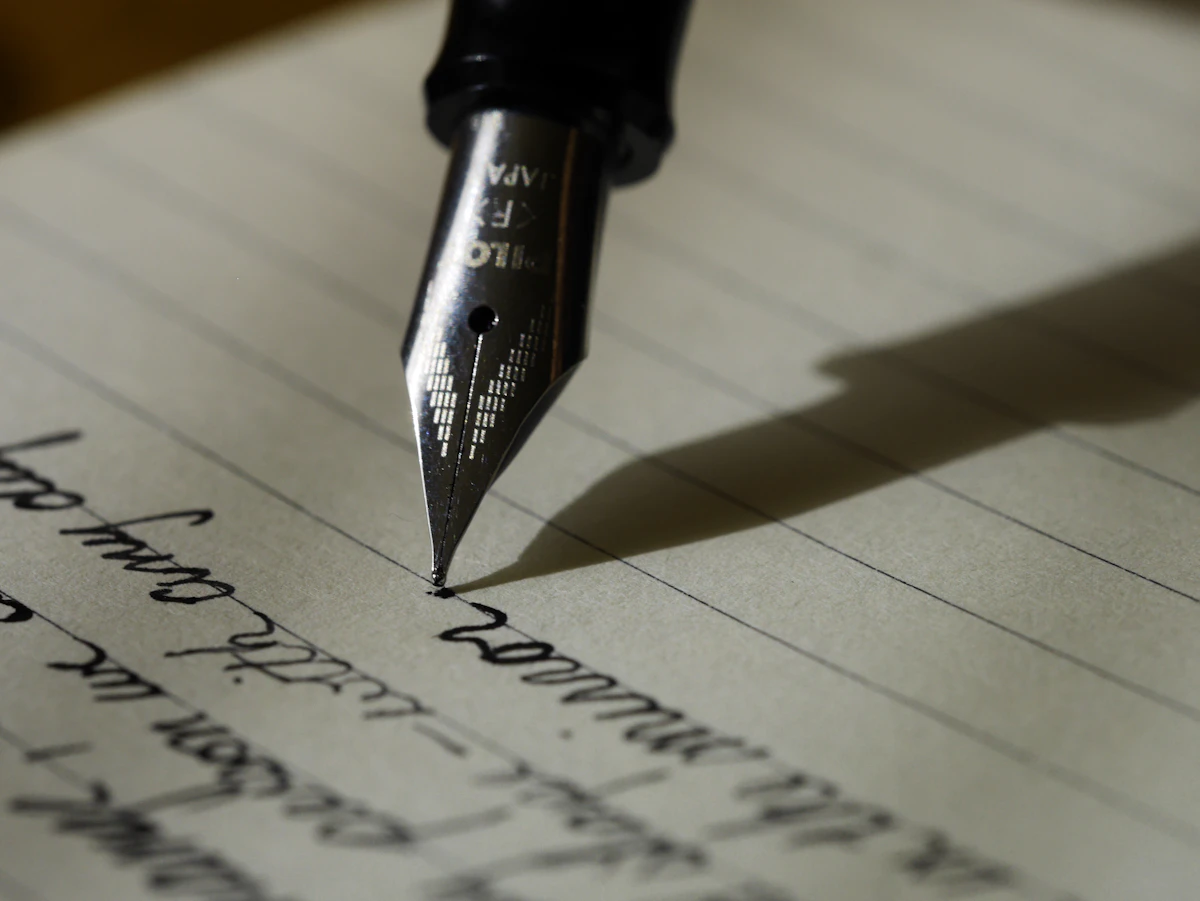 November 15
Day of the Imprisoned Writer
Freedom of Expression • Protection of Authors • Opposing Censorship
Historical Genesis & Founding Catalyst:
The Day of the Imprisoned Writer was established in 1981 by PEN International's Writers in Prison Committee (WiPC) to recognize and support writers who resist attacks on their freedom of expression and who face imprisonment, harassment, or murder for practicing their craft. Annually on November 15, more than 140 PEN Centers worldwide mobilize campaigns highlighting five selected persecuted writers, poets, essayists, and digital bloggers from diverse continents who are currently suffering unlawful detention under repressive regimes.
Global Significance & Sustainable Development Impact:
Authoritarian governments universally target writers, poets, and investigative novelists because creative words possess the singular power to unmask institutional lies, preserve historical truth, and mobilize popular resistance. The observance underscores that silencing a writer silences an entire society's conscience, demanding global diplomatic intervention and letter-writing solidarity.
Practical Action Guide: 3 Tangible Steps to Observe Today:
Send Solidarity Appeals for Imprisoned Authors
Participate in PEN International's urgent action appeals, writing polite diplomatic letters to foreign embassies demanding the release of jailed writers.
Read Banned and Censored Literary Works
Purchase and read books written by persecuted and exiled authors, ensuring their literary voices remain loud, celebrated, and heard.
Share Persecuted Writers' Profiles Online
Amplify the biographies, poetry, and quotes of currently detained authors on social media channels to maintain international spotlight on their plight.
 November 16
International Day for Tolerance
Human Rights • Intercultural Dialogue • Defeating Xenophobia
Historical Genesis & Founding Catalyst:
In 1996, the UN General Assembly adopted resolution A/RES/51/95, inviting member states to observe the International Day for Tolerance on November 16. This followed the United Nations Year for Tolerance (1995), proclaimed on the initiative of UNESCO's General Conference. On November 16, 1995, UNESCO member states unanimously adopted the historic Declaration of Principles on Tolerance, which asserts that tolerance is neither indulgence nor indifference, but an active, positive attitude generated by recognition of universal human rights and fundamental freedoms of others.
Global Significance & Sustainable Development Impact:
Tolerance is the moral and legal glue that holds multicultural, multifaith societies together in an increasingly globalized world. The day reminds nation-states that tolerance requires just and impartial legislation, human rights education in schools, rational public discourse, and the uncompromising defense of marginalized minorities against systemic racism, hate speech, and discrimination.
Practical Action Guide: 3 Tangible Steps to Observe Today:
Study the UNESCO Declaration on Tolerance
Read the 1995 Declaration of Principles on Tolerance and discuss its fundamental definitions of pluralism with students and family members.
Organize an Intercultural Community Exchange
Participate in local cultural potlucks, multifaith open houses, or neighborhood storytelling circles celebrating community diversity.
Counteract Online Hate Speech with Fact-Based Empathy
Report discriminatory content on social platforms and champion digital spaces rooted in civil dignity, nuance, and mutual respect.
 November 17
International Students' Day
Academic Freedom • Student Rights • Anti-Fascism • Higher Education
Historical Genesis & Founding Catalyst:
International Students' Day commemorates the courageous anti-Nazi demonstrations in Prague in the autumn of 1939. Following the invasion of Czechoslovakia, medical student Jan Opletal was fatally shot during an independence march on October 28. His funeral on November 15 sparked massive student protests. On November 17, 1939, Nazi occupation forces stormed Prague's universities, executed nine student leaders without trial, sent over 1,200 students to Sachsenhausen concentration camp, and closed all Czech universities. In 1941, the International Students' Council in London, with representatives from 26 nations, officially proclaimed November 17 as International Students' Day. Half a century later, on November 17, 1989, a student demonstration in Prague sparked the Velvet Revolution that ended communist rule in Czechoslovakia.
Global Significance & Sustainable Development Impact:
Students have consistently been the catalytic vanguard of moral progress, civil rights, peace movements, and technological innovation across world history. The day honors the sacred autonomy of university campuses as centers of critical thought, free speech, and resistance against authoritarian tyranny, advocating for universal, debt-free access to higher education.
Practical Action Guide: 3 Tangible Steps to Observe Today:
Honor Student Activists of 1939 and 1989
Learn the inspiring stories of Jan Opletal, the White Rose student movement in Munich (Sophie Scholl), and the Velvet Revolution.
Advocate for Student Debt Relief & Affordable Tuition
Support campaigns pushing for equitable public funding for higher education, eliminating predatory student loans, and supporting university research.
Protect Campus Freedom of Speech
Defend academic freedom and peaceful student protest rights from political repression and institutional censorship.
 November 18
World Day for the Prevention of and Healing from Child Sexual Exploitation, Abuse and Violence
Child Protection • Healing Survivors • Combating Online Abuse
Historical Genesis & Founding Catalyst:
Adopted by consensus by the United Nations General Assembly in November 2022 through resolution A/RES/77/8, this vital international observance designated November 18 as an annual global commitment to eradicate child sexual exploitation, facilitate survivor trauma healing, and mobilize international police and judicial cooperation. Co-sponsored by more than 110 member states, the resolution acknowledges that child abuse is a catastrophic violation of fundamental human rights that flourishes in secrecy and demands proactive global transparency.
Global Significance & Sustainable Development Impact:
The proliferation of digital technologies has radically transformed the landscape of child safety, leading to unprecedented surges in online child sexual exploitation material (CSAM), grooming, and livestreamed abuse. The observance emphasizes trauma-informed care, survivor empowerment, dismantling taboos that silence victims, and holding tech corporations and perpetrators strictly accountable under criminal law.
Practical Action Guide: 3 Tangible Steps to Observe Today:
Support Child Advocacy Centers & Helplines
Donate to or volunteer with accredited organizations (such as Childline and WeProtect Global Alliance) offering 24/7 crisis response to vulnerable children.
Educate Families on Digital Safety Controls
Teach children body safety boundaries, secure privacy settings on gaming consoles and smartphones, and create open, shame-free communication channels.
Advocate for Strict Legislation on Online Safety
Call upon legislators to mandate end-to-end detection of CSAM on commercial platforms while protecting fundamental digital privacy rights.
 November 19
World Toilet Day
Sanitation Crisis • Groundwater Protection • Dignity & SDG 6
Historical Genesis & Founding Catalyst:
World Toilet Day was originally established on November 19, 2001, by Singaporean philanthropist Jack Sim when he founded the World Toilet Organization (WTO). Recognising that taboos surrounding sanitation were costing millions of lives, Sim spearheaded a global campaign. On July 24, 2013, the UN General Assembly formally designated November 19 as an official UN Day through resolution A/RES/67/291, entitled "Sanitation for All," spearheaded by the Government of Singapore.
Global Significance & Sustainable Development Impact:
Today, approximately 3.5 billion people—nearly half of the global population—still live without safely managed sanitation, and 419 million people still practice open defecation. Lack of adequate toilets contaminates groundwater, spreads deadly diarrheal diseases, cholera, and dysentery, and exposes women and adolescent girls to severe privacy violations and sexual violence. Safely managed sanitation is fundamental to achieving Sustainable Development Goal 6 (Clean Water and Sanitation).
Practical Action Guide: 3 Tangible Steps to Observe Today:
Break the Taboo Surrounding Sanitation
Speak openly about sanitation access, school hygiene facilities, and menstrual dignity, demystifying essential biological infrastructure.
Support Water and Sanitation Charities
Contribute to organizations like Water.org and WaterAid constructing bio-digester toilets and handwashing stations in rural schools and clinics.
Protect Local Groundwater Systems
Ensure household septic tanks are inspected and pumped regularly, preventing untreated sewage from leaching into freshwater aquifers.
 November 20
World Children's Day (Universal Children's Day)
Child Rights • Universal Education • Ending Child Labor • Youth Voice
Historical Genesis & Founding Catalyst:
World Children's Day was first established by the UN General Assembly in 1954 via resolution 836(IX) as Universal Children's Day to promote international togetherness and awareness among children worldwide. November 20 is a historic double anniversary: on this date in 1959, the UN General Assembly adopted the Declaration of the Rights of the Child, and thirty years later, on November 20, 1989, it adopted the landmark Convention on the Rights of the Child (CRC)—the most widely ratified human rights treaty in history (ratified by 196 countries).
Global Significance & Sustainable Development Impact:
The CRC enshrined a revolutionary truth: children are not the property of parents or passive objects of charity, but autonomous human beings with distinct legal rights to healthcare, education, safety, freedom of speech, and protection from warfare and labor exploitation. UNICEF turns buildings and monuments blue worldwide on this day to give children a platform to speak directly to global leaders about climate action, mental health, and education.
Practical Action Guide: 3 Tangible Steps to Observe Today:
Turn Your School or Workplace "Blue" for Children
Wear blue or illuminate landmarks in blue light on November 20 to demonstrate visible solidarity with children's rights worldwide.
Host a Youth "Takeover" in Governance
Facilitate opportunities where children shadow mayors, directors, or editors, allowing youth voices to shape policy and editorial priorities.
Support UNICEF's Emergency Response Programs
Donate to emergency nutrition, clean water, and mobile classroom tents for children caught in armed conflicts across the globe.
 November 21
World Television Day
Broadcasting for Truth • Public Interest Media • Global Connectivity
Historical Genesis & Founding Catalyst:
In December 1996, the United Nations General Assembly proclaimed November 21 as World Television Day through resolution A/RES/51/205, in commemoration of the date on which the first World Television Forum was convened at the UN headquarters. The forum brought together leading media figures to discuss the growing significance of television in a transforming world and to consider how they might enhance their mutual cooperation.
Global Significance & Sustainable Development Impact:
World Television Day is not a celebration of the electronic apparatus itself, but rather an acknowledgment of television as an unparalleled ambassador for public interest communication, documentary education, cultural diversity, and democratic scrutiny. In the digital streaming era, public service broadcasting remains a vital bulwark against polarization and sensationalism, delivering verified facts during national crises and connecting diverse societies.
Practical Action Guide: 3 Tangible Steps to Observe Today:
Watch a High-Impact Investigative Documentary
Dedicate evening viewing to award-winning documentary journalism covering climate change, human rights, or historical events.
Support Independent Public Broadcasting
Defend public service media institutions (like PBS, BBC, NHK) that operate free of commercial advertising pressure and political bias.
Practice Mindful Screen Consumption
Evaluate your household television and streaming habits, prioritizing programs that expand intellectual curiosity and empathy.
 November 25
International Day for the Elimination of Violence against Women
Ending Gender-Based Violence • 16 Days of Activism • Women's Human Rights
Historical Genesis & Founding Catalyst:
On December 17, 1999, the UN General Assembly designated November 25 as the International Day for the Elimination of Violence against Women via resolution A/RES/54/134. Women's rights activists had observed November 25 since 1981 in memory of the three Mirabal sisters (Patria, Minerva, and María Teresa)—political dissidents affectionately known as "Las Mariposas" (The Butterflies)—who were brutally assassinated on November 25, 1960, on the orders of Dominican dictator Rafael Trujillo. The day also serves as the launch of the "16 Days of Activism against Gender-Based Violence," an international campaign running from November 25 through Human Rights Day on December 10.
Global Significance & Sustainable Development Impact:
Globally, an estimated 1 in 3 women (approximately 736 million) have been subjected to physical or sexual violence in their lifetime, most frequently by an intimate partner. Violence against women is neither inevitable nor acceptable; it is a grave violation of fundamental human rights that perpetuates poverty and tears communities apart. The UN's UNiTE campaign uses the color Orange to symbolize a brighter future, free from violence against women and girls.
Practical Action Guide: 3 Tangible Steps to Observe Today:
Wear Orange on November 25 (Orange Day)
Wear orange clothing or illuminate public landmarks in orange light to visibly proclaim your zero tolerance for violence against women.
Support Domestic Violence Shelters & Helplines
Contribute funds, emergency toiletries, and professional legal services to local women's crisis sanctuaries and transitional housing programs.
Participate in the 16 Days of Activism
Engage in educational workshops, social media campaigns, and community forums running from November 25 through December 10.
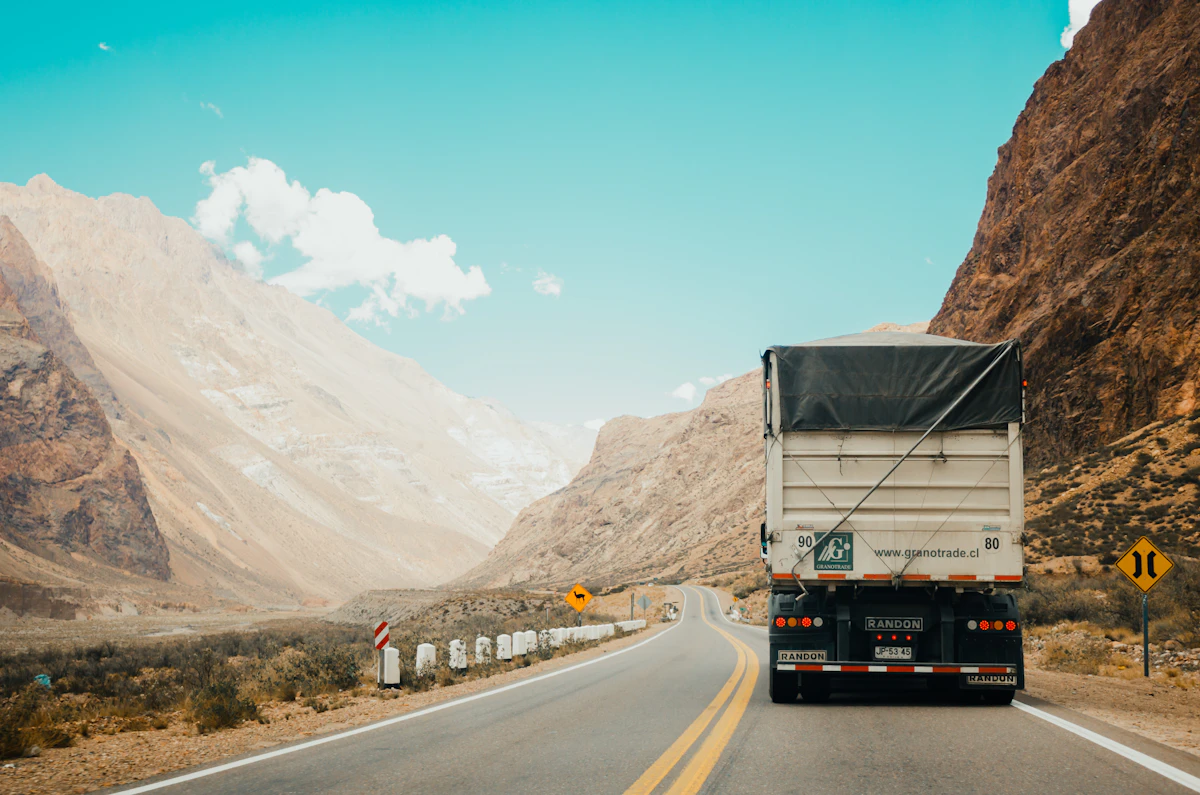 November 26
World Sustainable Transport Day
Decarbonizing Mobility • Clean Public Transit • Green Logistics
Historical Genesis & Founding Catalyst:
On May 16, 2023, the UN General Assembly adopted resolution A/RES/77/286, officially designating November 26 as World Sustainable Transport Day. Introduced by Turkmenistan, the resolution emphasizes the indispensable contribution of sustainable, low-emission, and energy-efficient transport systems in achieving the 2030 Agenda for Sustainable Development and the Paris Climate Agreement goals.
Global Significance & Sustainable Development Impact:
The transport sector produces nearly a quarter of global energy-related greenhouse gas emissions, heavily relies on fossil fuels, and constitutes a primary source of deadly urban air pollution. Sustainable transport—encompassing electric high-speed railways, bus rapid transit (BRT), green hydrogen cargo shipping, and pedestrian-bicycle infrastructure—connects people to jobs, education, and healthcare while radically slashing emissions.
Practical Action Guide: 3 Tangible Steps to Observe Today:
Choose Low-Carbon Transit Modes
Commute via subway, electric bus, cycling, or walking on November 26, leaving personal combustion-engine vehicles parked.
Support Electrification of Public Fleets
Advocate for municipal investments that transition municipal transit fleets and school buses to zero-emission electric vehicles.
Audit Supply Chain Logistics in Business
If operating a commercial enterprise, partner with freight carriers utilizing intermodal rail transit and optimized delivery routes.
 November 29
International Day of Solidarity with the Palestinian People
Peace & Self-Determination • International Humanitarian Law • Human Rights
Historical Genesis & Founding Catalyst:
In 1977, the UN General Assembly called for the annual observance of November 29 as the International Day of Solidarity with the Palestinian People through resolution A/RES/32/40 B. The date was selected because of its historic significance: on November 29, 1947, the General Assembly adopted resolution 181(II), which provided for the partition of Mandatory Palestine into two independent states (one Arab, one Jewish) with Jerusalem under a special international regime. The day provides an annual occasion for the international community to focus its attention on the unresolved question of Palestine and the ongoing struggle of the Palestinian people for self-determination and sovereign statehood.
Global Significance & Sustainable Development Impact:
Observed annually at UN headquarters in New York, Geneva, Nairobi, and Vienna with special meetings and cultural exhibitions, the day reaffirms the global commitment to a just, lasting peace based on international law, relevant UN Security Council resolutions, an end to military occupation, and universal respect for human rights and dignity.
Practical Action Guide: 3 Tangible Steps to Observe Today:
Study the History of International Law and UN Resolutions
Read key UN documents, including Resolution 181(II), Security Council Resolution 242, and ICJ advisory opinions regarding the rights of peoples under occupation.
Support Humanitarian Aid for Displaced Families
Contribute to accredited humanitarian agencies (such as UNRWA, the Red Cross, or Medical Aid for Palestinians) delivering critical food, clean water, and medical care.
Advocate for Peaceful, Just & Lasting Diplomatic Solutions
Promote dialogue rooted in mutual equality, human rights, non-violence, and international legal accountability for all peoples.
 November 30
Day of Remembrance for all Victims of Chemical Warfare
Disarmament • Chemical Weapons Convention • Remembrance & Peace
Historical Genesis & Founding Catalyst:
In December 2015, the Conference of the States Parties to the Chemical Weapons Convention (CWC) designated November 30 as the Day of Remembrance for all Victims of Chemical Warfare. The date commemorates the historical conclusion of the Third Review Conference of the CWC and honors the millions of soldiers and innocent civilians who suffered horrific deaths, permanent lung damage, blindness, and neurological agony from chlorine, mustard gas, sarin, and VX in conflicts spanning World War I, the Iran-Iraq War, Halabja, and modern conflicts. The Organization for the Prohibition of Chemical Weapons (OPCW), based in The Hague, Netherlands, was awarded the Nobel Peace Prize in 2013 for its extensive efforts to eliminate chemical weapons.
Global Significance & Sustainable Development Impact:
The Chemical Weapons Convention entered into force on April 29, 1997, and has achieved near-universal ratification by 193 states parties. In July 2023, the OPCW verified that 100% of declared chemical weapons stockpiles worldwide had been verifiably destroyed. The Day of Remembrance serves as a solemn tribute to victims and an ironclad pledge that such abhorrent weapons of mass destruction must never be developed, stockpiled, or deployed again.
Practical Action Guide: 3 Tangible Steps to Observe Today:
Learn About the OPCW and Chemical Disarmament
Explore the digital archives and verification reports of the Organization for the Prohibition of Chemical Weapons in The Hague.
Support Survivors and Medical Rehabilitation
Learn about humanitarian funds providing specialized respiratory and ocular healthcare to long-term survivors of historical toxic gas attacks.
Advocate for Universal Disarmament and Science Ethics
Encourage universities and chemical industry associations to maintain strict ethical pledges ensuring chemistry is used exclusively for life, medicine, and human progress.
November Thematic Breakdown & UN Sustainable Development Goals (SDG) Alignment
Every international observance in November directly correlates with critical pillars of the United Nations 2030 Agenda for Sustainable Development:
SDG 3: Good Health & Well-Being
World Pneumonia Day (Nov 12), World Diabetes Day (Nov 14), and World Antimicrobial Resistance Week drive investments in preventative vaccines, insulin access, and global biosecurity.
SDG 5: Gender Equality & Rights
Elimination of Violence against Women (Nov 25) kicks off the global 16 Days of Activism, joined by World Day for the Prevention of Child Exploitation (Nov 18) to uphold bodily integrity.
SDG 6: Clean Water & Sanitation
World Toilet Day (Nov 19) mobilizes cross-border capital to eliminate open defecation, protect fragile groundwater tables, and restore dignity to 3.5 billion people lacking safe sanitation.
SDG 11: Sustainable Cities & Transport
World Town Planning Day (Nov 8) and World Sustainable Transport Day (Nov 26) champion low-emission mass transit, walkable 15-minute cities, and disaster-resilient coastal infrastructure.
SDG 16: Peace, Justice & Institutions
Ending Impunity for Crimes against Journalists (Nov 2), International Day for Tolerance (Nov 16), and Chemical Warfare Remembrance (Nov 30) defend free speech and international law.
SDG 4: Universal Quality Education
World Children's Day (Nov 20), International Students' Day (Nov 17), and World Science Day (Nov 10) champion the fundamental human right to free, empowering academic instruction.
Frequently Asked Questions (FAQ) About November International Days
Explore More of November's Global Celebrations
Stay tuned for our upcoming companion guides exploring the National Days of November and our November Famous Birthdays & Historical Luminaries master showcase.


