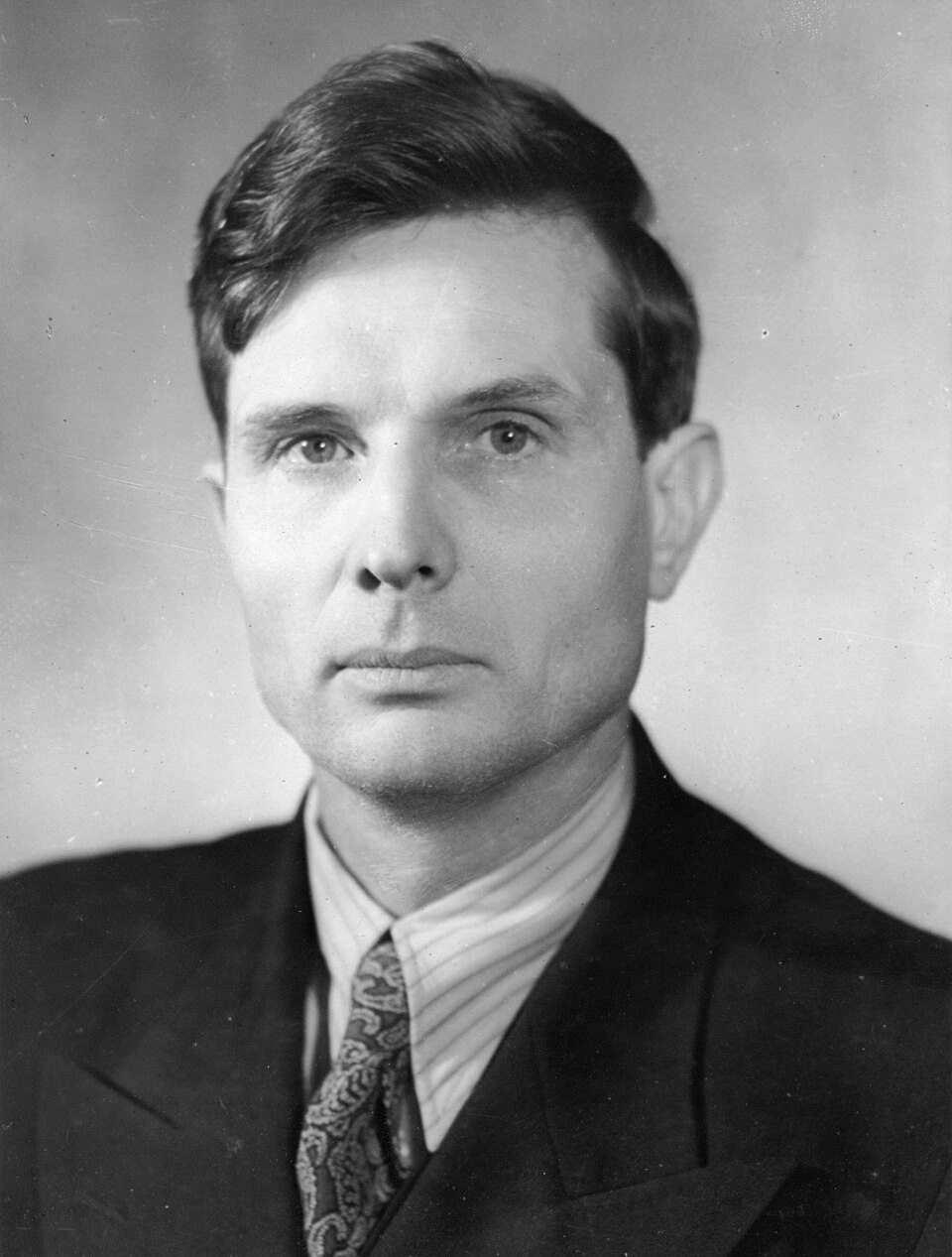
Mikhail Suslov (1902 – 1982) was a towering figure in Russia and world history, widely celebrated as Soviet Statesman & Chief Ideologist of the Communist Party (1902–1982). Their transformative contributions left an enduring imprint on human civilization.
At a Glance: Mikhail Suslov
The Grey Cardinal of the Kremlin: Mikhail Suslov
Born on November 21, 1902, in the rural village of Shakhovskoye, Mikhail Andreyevich Suslov was the quiet, austere puppetmaster who shaped the ideological soul of the Soviet superpower for more than thirty-five years. Known throughout Cold War diplomatic circles as the 'Grey Cardinal' (серый кардинал), Suslov outlasted Stalin, orchestrated the downfall of Nikita Khrushchev, and anchored the eighteen-year rule of Leonid Brezhnev as the undisputed supreme guardian of Marxist-Leninist orthodoxy.
1. From Peasant Village to Stalin's Inner Circle
Joining the Bolsheviks during the Russian Civil War, Suslov rose through the party apparatus not as a flamboyant orator, but as a meticulous economic administrator and ideological scholar. Survived the Great Purges of the 1930s by exhibiting unquestioning bureaucratic loyalty, Suslov was appointed to head the Central Committee's Department of Agitation and Propaganda in 1947.
In 1952, Stalin personally elevated Suslov to the Politburo, recognizing his ascetic work ethic and doctrinal rigidity. Living in spartan quarters, dressing in unpretentious grey overcoats and outdated rubber galoshes, Suslov shunned personal wealth, alcohol, and political gossip, viewing himself as an incorruptible monk of the communist faith.
2. The October 1964 Coup and the Brezhnev Era
When Nikita Khrushchev's erratic policies, agricultural failures, and dangerous brinkmanship during the Cuban Missile Crisis alienated the Kremlin elite, it was Suslov who masterminded his bloodless ouster. In October 1964, Suslov presented the formal indictment to the Central Committee Plenum, orchestrating the peaceful transfer of power to a triumvirate: Leonid Brezhnev as General Secretary, Alexei Kosygin as Premier, and himself as Chief Ideologist and second secretary.
For the next eighteen years, no political appointment, educational curriculum, foreign treaty, or cultural manuscript in the USSR could move forward without Suslov's blue pencil approval.
3. The Brezhnev Doctrine and Cultural Suppression
When Alexander Dubček introduced liberalizing reforms during the 1968 'Prague Spring' in Czechoslovakia, Suslov formulated the ideological justification for Warsaw Pact intervention—the Brezhnev Doctrine. Suslov argued that when internal or external forces hostile to socialism seek to turn a socialist nation toward capitalism, it becomes not only a national concern, but a common problem and concern of all socialist countries.
Domestically, Suslov enforced absolute cultural conformity. He blocked the publication of Boris Pasternak's Doctor Zhivago, oversaw the exile of Nobel laureate Aleksandr Solzhenitsyn, and ordered the internal banishment of physicist Andrei Sakharov to Gorky. Suslov died in Moscow on January 25, 1982, at age seventy-nine. His death removed the ideological keystone of the Soviet state; within three years, Mikhail Gorbachev came to power, and the ideological structure Suslov guarded collapsed into history.
Key Milestones, Works & Enduring Achievements
Throughout an extraordinary journey, Mikhail Suslov established landmark milestones that continue to inspire scholars, creators, and leaders:
- The Brezhnev Doctrine Formulation (1968) [Foreign Policy Doctrine]: Formulated the ideological rationale asserting the Soviet right to militarily intervene in Warsaw Pact nations to preserve socialist systems.
- The 1964 Ouster of Nikita Khrushchev (1964) [Kremlin Political Maneuver]: Masterminded the bloodless Central Committee coalition that peacefully removed Khrushchev and established the Brezhnev-Kosygin-Suslov triumvirate.
- Chief Ideologist of the CPSU (1947–1982) (1982) [Ideological Leadership]: Guarded Marxist-Leninist party dogma for 35 years, controlling Soviet state media, education, publishing, and Pravda editorial lines.
- Suppression of the Prague Spring (1968) (1968) [Cold War Strategy]: Directed Warsaw Pact ideological coordination against Alexander Dubček's 'Socialism with a human face' reforms.
- Management of Sino-Soviet Split Ideology (1960) [Diplomatic Polemics]: Authored the primary Soviet theoretical polemics counteracting Mao Zedong's ideological challenges to Moscow's leadership.
Enduring Philosophy & Timeless Words
Reflecting on human nature, duty, and excellence, Mikhail Suslov also observed:
Read All Curated Quotes & Tributes
Explore our comprehensive collection of inspiring quotes, personal reflections, and historical tributes honoring Mikhail Suslov on November 21.

