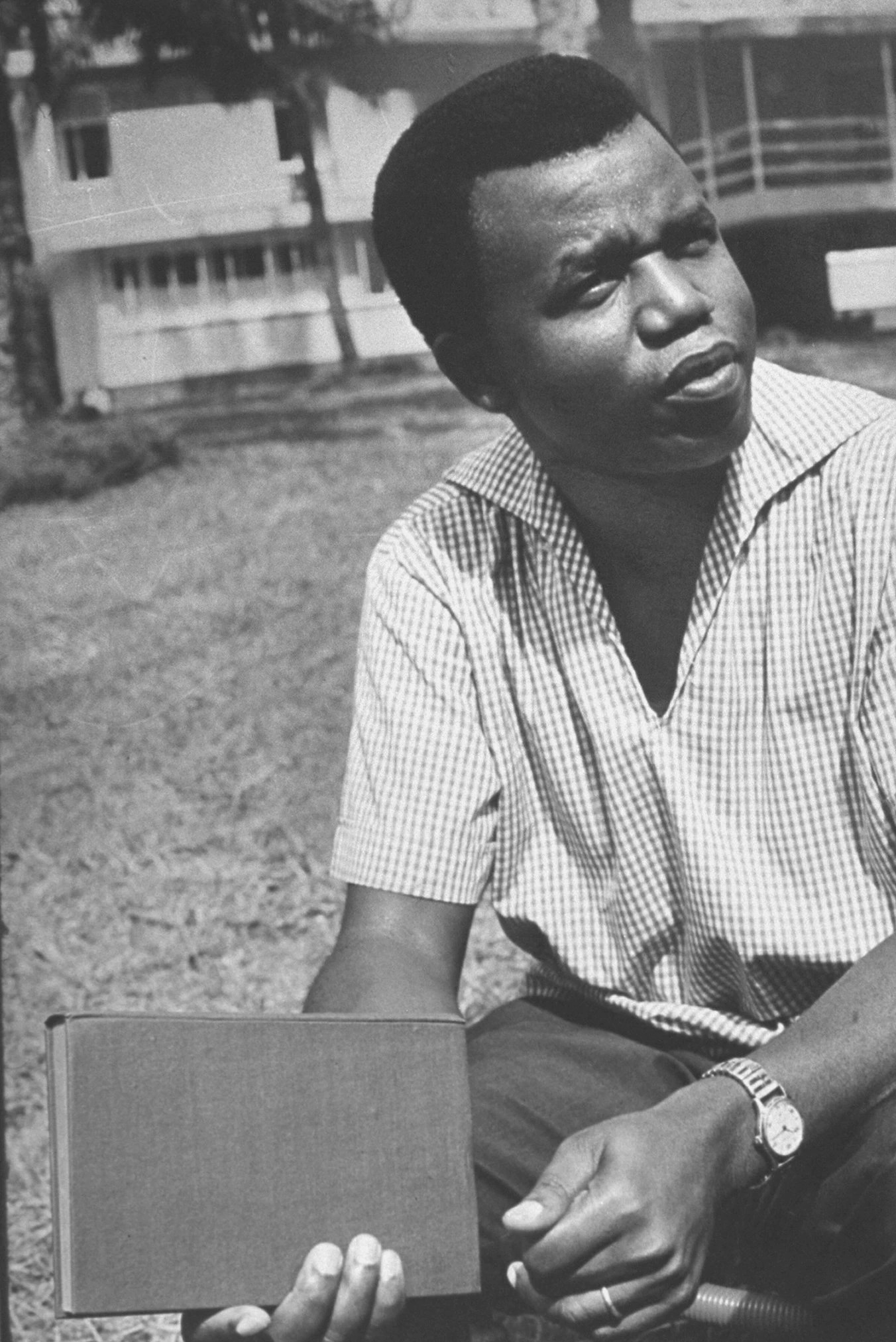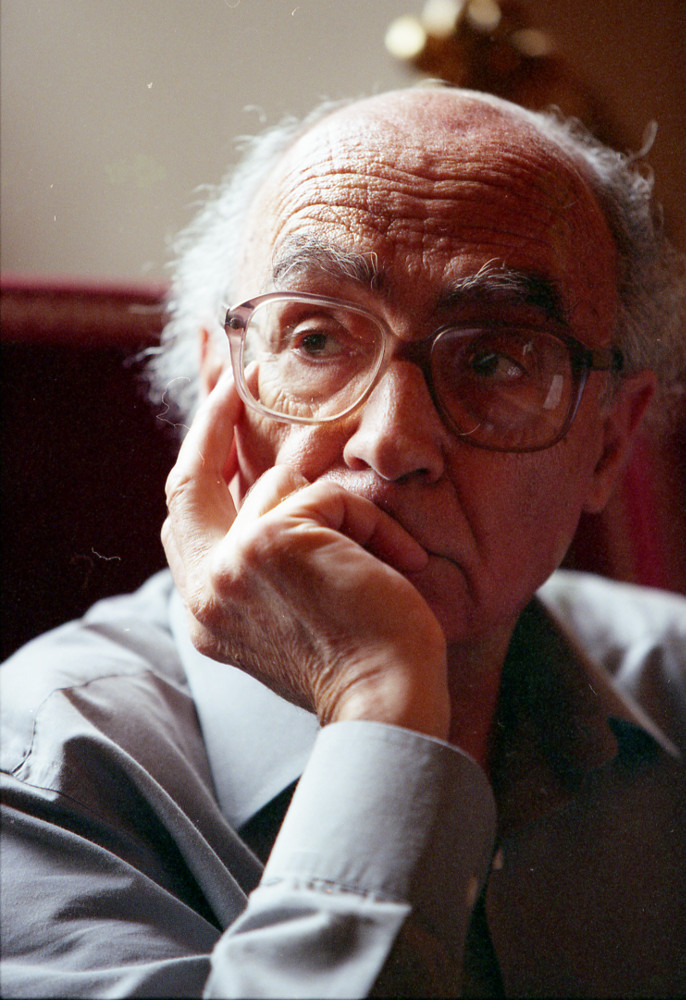
José Saramago (1922 – 2010) was a towering figure in Portugal and world history, widely celebrated as Nobel Laureate Portuguese Novelist, Essayist, and Playwright. Their transformative contributions left an enduring imprint on human civilization.
At a Glance: José Saramago
Major Historical Impact & Defining Contributions
Born on November 16, 1922, in the rural village of Azinhaga, Portugal, into a family of landless peasant farmers, José Saramago moved to Lisbon in early childhood. Unable to afford university, he trained as a mechanic at a vocational school before working as a locksmith, metalworker, civil servant, translator, and journalist. Living under the authoritarian Estado Novo regime of António de Oliveira Salazar, Saramago participated in clandestine democratic resistance and joined the Portuguese Communist Party in 1969. Following the 1974 Carnation Revolution and his subsequent dismissal as deputy director of the newspaper 'Diário de Notícias', Saramago devoted himself full-time to fiction in his late fifties. His international breakthrough came with 'Memorial do Convento' (Baltasar and Blimunda, 1982), a lyrical blend of history, magical realism, and social critique set during the construction of the Mafra Palace. In 1991, his controversial novel 'The Gospel According to Jesus Christ' reinterpreted biblical events with profound humanism, sparking vehement opposition from conservative religious and political circles that led Saramago into self-imposed exile on the Canary island of Lanzarote. In 1995, he published 'Blindness' (Ensaio sobre a Cegueira), a harrowing and profound allegory of civilizational collapse in an epidemic of white blindness that affirmed human solidarity. In 1998, Saramago was awarded the Nobel Prize in Literature—becoming the first Portuguese-language writer so honored—celebrated by the Swedish Academy as an author 'who with parables sustained by imagination, compassion and irony continually enables us once again to apprehend an elusory reality.' Saramago died on June 18, 2010, on Lanzarote at age eighty-seven.
Key Milestones, Works & Enduring Achievements
Throughout an extraordinary journey, José Saramago established landmark milestones that continue to inspire scholars, creators, and leaders:
- Blindness (Ensaio sobre a Cegueira, 1995 - Gripping masterpiece of moral allegory)
- Baltasar and Blimunda (Memorial do Convento, 1982 - International breakthrough novel)
- The Gospel According to Jesus Christ (1991 - Daring humanistic biblical reimagining)
- The Year of the Death of Ricardo Reis (1984 - Lyrical dialogue with Fernando Pessoa)
- Seeing (Ensaio sobre a Lucidez, 2004 - Political satire of civic electoral rebellion)
Enduring Philosophy & Timeless Words
Reflecting on human nature, duty, and excellence, José Saramago also observed:
Read All Curated Quotes & Tributes
Explore our comprehensive collection of inspiring quotes, personal reflections, and historical tributes honoring José Saramago on November 16.