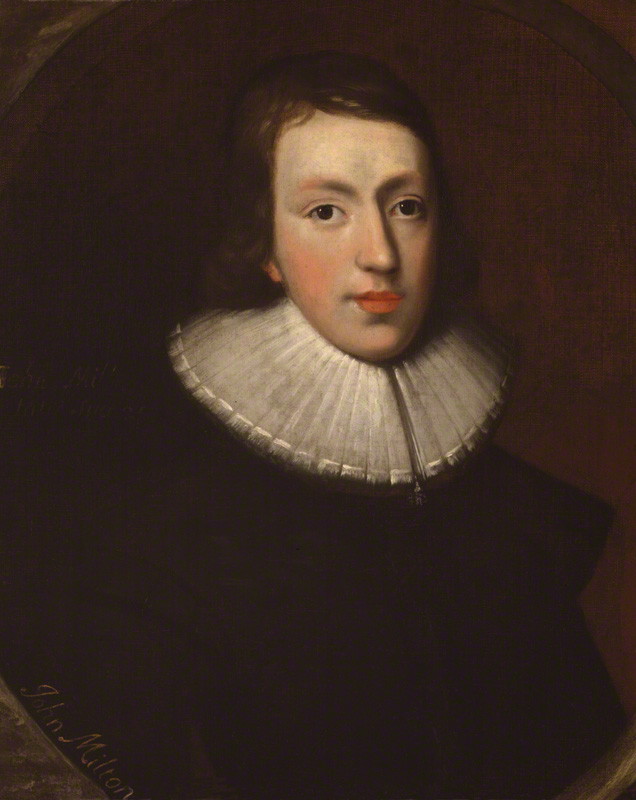
Every year on November 8, the world commemorates the extraordinary life and legacy of John Milton (English Epic Poet, Pamphleteer & Civil Servant (Author of 'Paradise Lost')). Celebrated across United Kingdom and worldwide for defining contributions to literature, their life remains an inspiring beacon of human courage, vision, and excellence.
1. Early Foundations, Background & Formative Years
John Milton was born on December 9, 1608, in Cheapside, London. Educated at St Paul's School and Christ's College, Cambridge, he mastered Latin, Greek, Hebrew, and Italian, composing brilliant early pastoral poems including Lycidas (1637) and Comus.
During the English Civil War, Milton dedicated his ferocious rhetorical intellect to the parliamentary cause. In 1644, he published Areopagitica, history's most celebrated and influential philosophical defense of freedom of speech and the press, passionately opposing state licensing and pre-publication censorship ('Give me the liberty to know, to utter, and to argue freely according to conscience, above all liberties'). Under Oliver Cromwell's Commonwealth, Milton was appointed Secretary for Foreign Tongues, drafting state Latin correspondence.
Having lost his eyesight completely by 1652, Milton survived the 1660 Restoration of the monarchy in political defeat and physical darkness. Undaunted, he dictated his monumental magnum opus, Paradise Lost (1667), composed in breathtaking unrhymed blank verse across twelve books, seeking 'to justify the ways of God to men' and creating literature's most complex tragic antagonist in Satan. He followed with Paradise Regained and the closet drama Samson Agonistes in 1671. Milton died peacefully on November 8, 1674, entombed in St Giles-without-Cripplegate, revered for centuries as the blind visionary of English epic poetry.
Growing up in United Kingdom, John Milton was guided by an innate curiosity, unwavering discipline, and a refusal to accept mediocrity. These formative experiences forged the intellectual and moral bedrock that would later define their world-changing accomplishments.
2. Defining Achievements & Global Career Breakthroughs
Across decades of dedicated service and relentless practice, John Milton redefined standards of excellence in literature. Whether breaking barriers, innovating masterworks, or transforming public perception, their career represents the pinnacle of professional dedication.
3. Philosophy, Quotations & Guiding Worldview
Throughout their life, John Milton articulated profound insights into human potential, creative resilience, and moral responsibility. Their words continue to offer timeless guidance for succeeding generations.
4. Key Milestones & Notable Works
- Authored the English language's supreme theological epic poem 'Paradise Lost' (1667)
- Penned 'Areopagitica' (1644), the foundational philosophical defense of freedom of the press and speech
- Authored epic sequel 'Paradise Regained' and poetic biblical drama 'Samson Agonistes' (1671)
- Served as Secretary for Foreign Tongues under the Commonwealth of England (1649–1659)
- Composed pastoral and elegy masterpieces including 'Lycidas' (1637) and 'L'Allegro' / 'Il Penseroso'
5. The Enduring Legacy of John Milton
Generations of practitioners, scholars, and future leaders trace their inspiration directly to the path blazed by John Milton. Their courage reminds us that true greatness requires relentless perseverance, creative boldness, and a lifelong commitment to uplifting humanity.