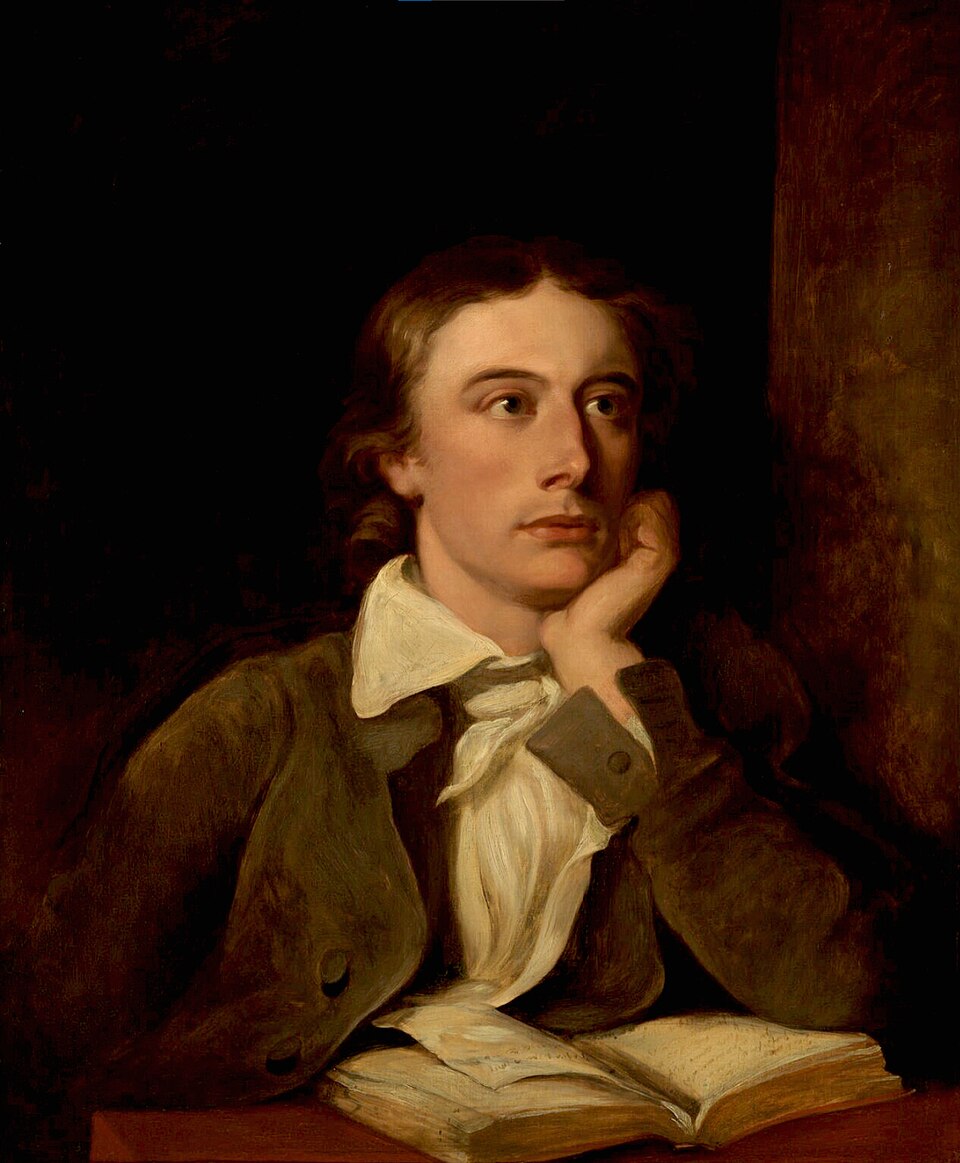
John Keats (born 1795-10-31) is a globally celebrated English Romantic Poet representing United Kingdom. Renowned for groundbreaking contributions, visionary determination, and an indelible historical footprint, John Keats remains an enduring source of inspiration for scholars, practitioners, and admirers worldwide. One of the most profound figures of the second generation of English Romantic poets alongside Shelley and Byron. Despite his tragic passing at age 25, Keats produced immortal odes and lyrical works characterized by sensual imagery, philosophical depth, and negative capability.
1. Early Life, Formative Influences & Cultural Roots
Born in Moorgate, London, England, John Keats displayed early hallmarks of extraordinary intellectual depth, artistic vision, and unyielding discipline. Immersed in an environment that valued curiosity and rigorous application, these formative years forged the ethical conviction, resilience, and creative mastery that would define their ascent onto the world stage.
2. Career Breakthroughs & Defining Milestones
The rise of John Keats was fueled by fearless innovation, uncompromising dedication to standards, and a rare ability to transform complex challenges into lasting triumphs. Key historical milestones include:
- Composed the legendary 1819 Odes: Ode to a Nightingale, Ode on a Grecian Urn, and To Autumn.
- Pioneered the aesthetic philosophy of "Negative Capability" in literary theory.
- Regarded by T.S. Eliot and generations of scholars as among the greatest poetic masters of the English language.
3. International Recognition & Global Footprint
Over decades of transformative impact, John Keats garnered universal respect across continents. Transcending regional boundaries, their work reshaped conventions within Literature & Poetry, establishing modern benchmarks that continue to guide upcoming generations of leaders, artists, and innovators worldwide.
4. Philosophical Outlook, Values & Personal Convictions
Throughout personal summits and formidable public trials, John Keats remained anchored in an unwavering ethical compass: the conviction that genuine excellence is rooted in service, humility, and the relentless defense of human dignity. Their life exemplifies how passion, harnessed with purpose, can elevate culture and spark lasting social progress.
5. Enduring Legacy & October 31 Significance
Celebrated on October 31, the legacy of John Keats shines as a beacon of human capability and creative courage. Their timeless achievements continue to ignite ambition and provide deep philosophical guidance for dreamers and changemakers everywhere.