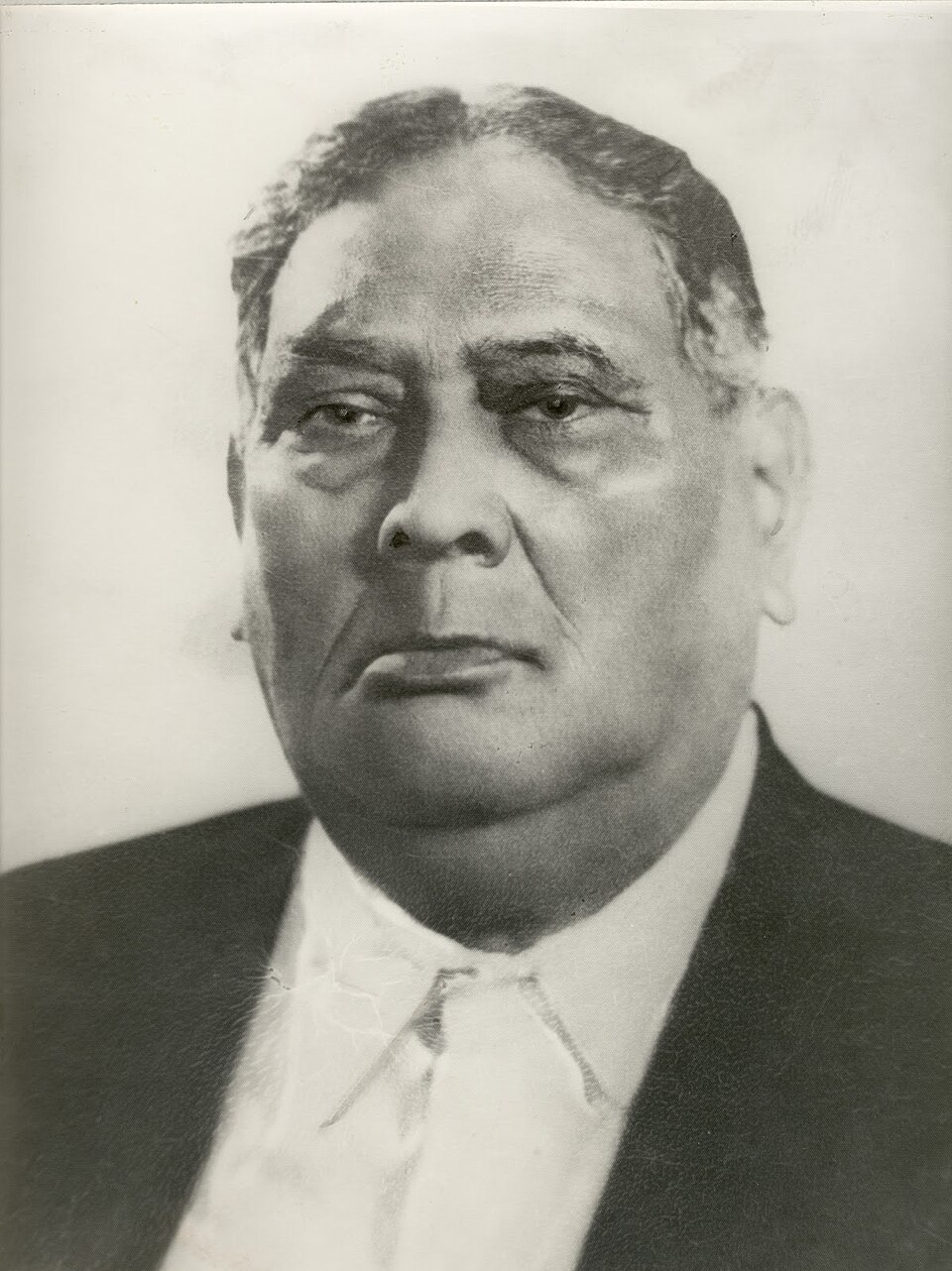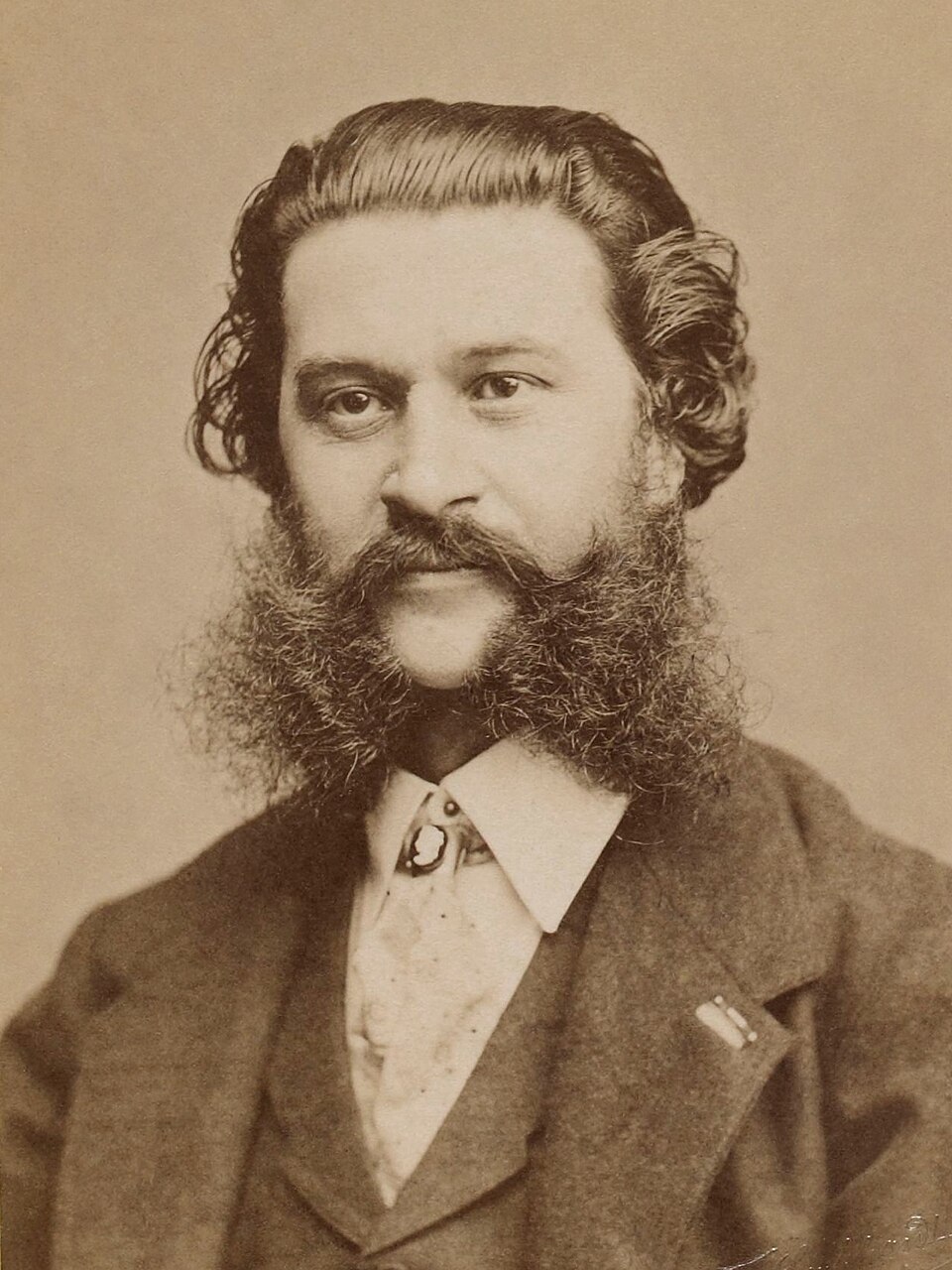
Every year on October 25, the international community commemorates Johann Strauss II (Legendary Austrian Classical Composer, "The Waltz King", Operetta Master & Vienna Philharmonic Icon). Celebrated across Austria and worldwide for defining contributions to music, their life remains an inspiring beacon of human courage, vision, and excellence.
1. Early Foundations, Background & Formative Years
Johann Strauss II was born on October 25, 1825, in St. Ulrich near Vienna. Despite violent opposition from his famous composer father, Johann Strauss I, who forbade him from pursuing music, the young Strauss studied violin secretly with Franz Amon and counterpoint with Joachim Hoffmann. When he launched his own orchestra in October 1844 at Dommayer's Casino, his incandescent melodic gift immediately ignited a sensation, sparking a celebrated musical rivalry with his father. Following his father's death in 1849, Strauss merged their two orchestras, touring European capitals and Russia, where he conducted the Pavlovsk summer concert seasons for a decade. Strauss achieved the impossible: he took the 3/4-time ballroom waltz and infused it with exquisite harmonic sophistication, luminous orchestration, and transcendent romantic grandeur that earned the fervent admiration of symphonic masters like Johannes Brahms, Richard Wagner, and Franz Liszt. In 1866, Strauss composed 'The Blue Danube' (An der schönen blauen Donau), which became Austria's unofficial national anthem and one of the most recognized orchestral pieces on Earth. He followed with the majestic 'Kaiser-Walzer' (Emperor Waltz, 1889), 'Tales from the Vienna Woods' (1868), and 'Wiener Blut'. Turning his genius to musical theatre, Strauss composed the definitive golden-age Viennese operettas 'Die Fledermaus' (The Bat, 1874) and 'The Gypsy Baron' (Der Zigeunerbaron, 1885). Every New Year's Day, millions of classical music lovers worldwide celebrate his legacy through the Vienna Philharmonic's New Year's Concert.
Growing up in Austria, Johann Strauss II was guided by an innate curiosity, unwavering discipline, and a refusal to accept mediocrity. These formative experiences forged the intellectual and moral bedrock that would later define their world-changing accomplishments.
2. Groundbreaking Breakthroughs & Monumental Achievements
Johann Strauss II, affectionately immortalized as "The Waltz King" (Der Walzerkönig), was an Austrian musical titan who elevated the Viennese waltz from a rustic ballroom dance into an internationally revered symphonic art form. Composer of over 500 orchestral works, his timeless masterpieces include "The Blue Danube", "Kaiser-Walzer", and the operetta "Die Fledermaus".
Throughout their career, Johann Strauss II surmounted institutional obstacles, skepticism, and severe adversity. Through unyielding resolve, they established new benchmarks in music that continue to shape the modern world.
3. Cultural Resonance, Philosophy & World Impact
The philosophical principles embodied by Johann Strauss II extend far beyond regional frontiers. Admirers and scholars across Europe, the Americas, Africa, Asia, and Oceania recognize their timeless contribution to human progress, ethical leadership, and creative mastery.
4. Key Milestones & Notable Works
- The Blue Danube (An der schönen blauen Donau, 1866) - Austria’s Unofficial National Anthem
- Die Fledermaus (1874) - The Crown Jewel of Viennese Classical Operetta
- Kaiser-Walzer / Emperor Waltz (1889) & Tales from the Vienna Woods (1868)
- The Gypsy Baron (Der Zigeunerbaron, 1885) & Tritsch-Tratsch-Polka (1858)
- Viennese Golden Age Architect & Centerpiece of Vienna Philharmonic New Year’s Concert
5. Enduring Legacy for Future Generations
On October 25, we reflect upon a legacy that transcends time. For aspiring students, creators, and leaders everywhere, the journey of Johann Strauss II serves as proof that conviction, mastery, and dedication leave an indelible mark upon human history.
6. Frequently Asked Questions (FAQ) About Johann Strauss II
When and where was Johann Strauss II born?
Johann Strauss II was born on 1825-10-25 00:00:00 in St. Ulrich, Vienna, Austrian Empire.
What is Johann Strauss II globally renowned for?
Johann Strauss II is world-famous as: Legendary Austrian Classical Composer, "The Waltz King", Operetta Master & Vienna Philharmonic Icon.
What are the foremost achievements of Johann Strauss II?
Prominent achievements include: The Blue Danube (An der schönen blauen Donau, 1866) - Austria’s Unofficial National Anthem and Die Fledermaus (1874) - The Crown Jewel of Viennese Classical Operetta.
Why is October 25 significant for Johann Strauss II?
October 25 marks the historic Birthday Anniversary of Johann Strauss II, celebrated across Austria and around the world.