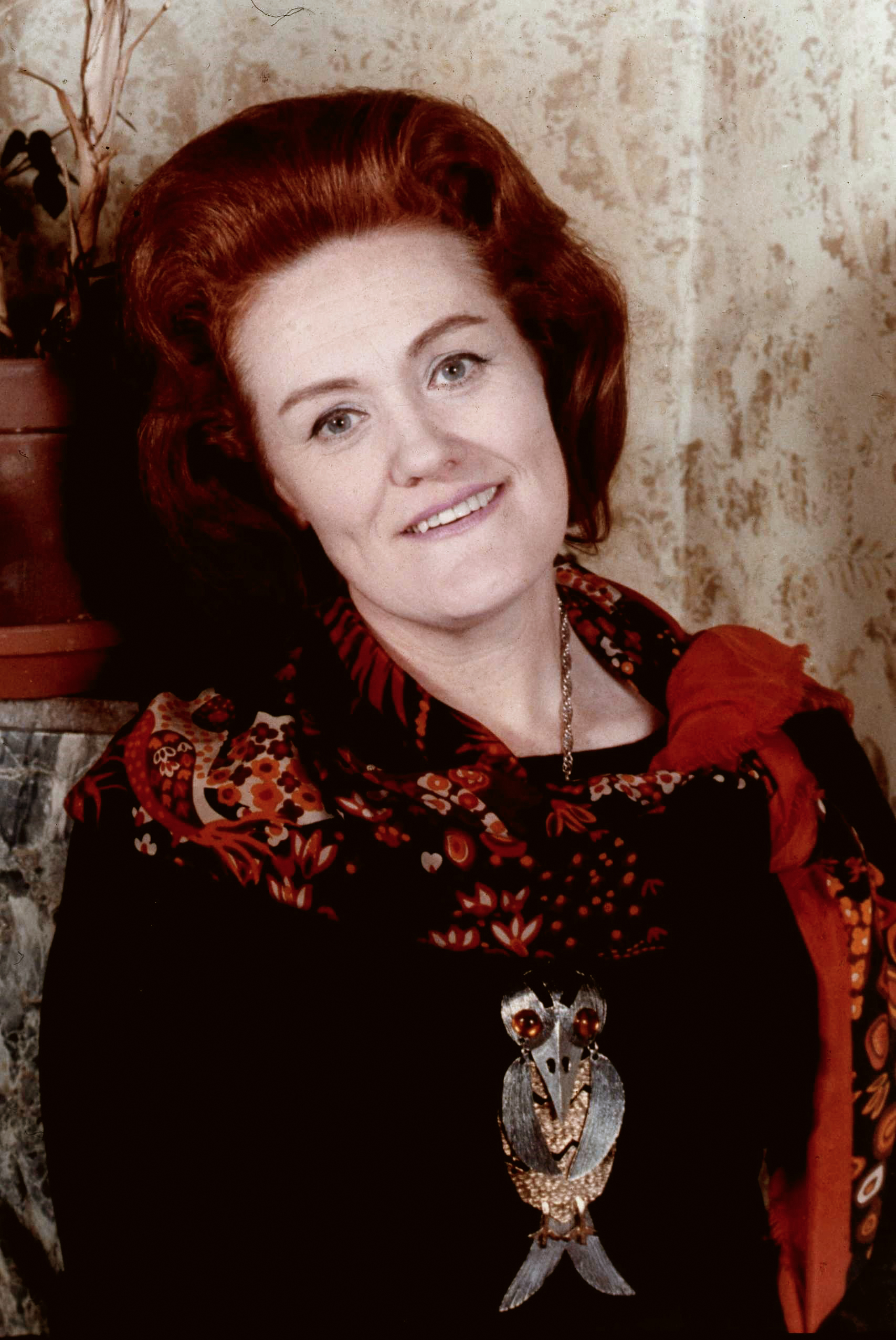
Every year on November 7, the world commemorates the extraordinary life and legacy of Joan Sutherland (Australian Dramatic Coloratura Soprano ('La Stupenda')). Celebrated across Australia and worldwide for defining contributions to music, their life remains an inspiring beacon of human courage, vision, and excellence.
1. Early Foundations, Background & Formative Years
Joan Alston Sutherland was born on November 7, 1926, in Point Piper, Sydney, Australia, to Scottish parents. Her mother, an amateur mezzo-soprano, taught Joan basic vocal exercises by ear from childhood. Winning the prestigious Sun Aria competition in 1949, Sutherland moved to London in 1951 to study at the Opera School of the Royal College of Music, making her Covent Garden debut in 1952 as the First Lady in Mozart's The Magic Flute.
Initially trained as a dramatic Wagnerian soprano, her musical trajectory changed dramatically after marrying pianist and conductor Richard Bonynge in 1954. Bonynge recognized that Sutherland possessed an extraordinarily rare voice: monumental dramatic power and size combined with effortless, bell-like agility up to high F (F6). He convinced her to specialize in the neglected Italian bel canto repertoire of Bellini, Donizetti, and Rossini.
On February 17, 1959, Sutherland triumphed in a legendary Franco Zeffirelli production of Donizetti's Lucia di Lammermoor at the Royal Opera House, Covent Garden, conducted by Tullio Serafin. Her dazzling, crystalline coloratura trills and poignant acting during the 15-minute 'Mad Scene' catapulted her into international stardom overnight. When she performed Handel's Alcina at La Fenice in Venice in 1960, the Italian audience ecstatically dubbed her La Stupenda ('The Stupendous One'). For three decades, Sutherland commanded the stages of the Metropolitan Opera, Paris Opéra, and Sydney Opera House, forming an immortal partnership with young tenor Luciano Pavarotti, who called her 'the voice of the century.' Created a Dame Commander of the Order of the British Empire (DBE) in 1979 and awarded the Order of Merit (OM) in 1991, she died peacefully in Switzerland on October 10, 2010.
Growing up in Australia, Joan Sutherland was guided by an innate curiosity, unwavering discipline, and a refusal to accept mediocrity. These formative experiences forged the intellectual and moral bedrock that would later define their world-changing accomplishments.
2. Defining Achievements & Global Career Breakthroughs
Across decades of dedicated service and relentless practice, Joan Sutherland redefined standards of excellence in music. Whether breaking barriers, innovating masterworks, or transforming public perception, their career represents the pinnacle of professional dedication.
3. Philosophy, Quotations & Guiding Worldview
Throughout their life, Joan Sutherland articulated profound insights into human potential, creative resilience, and moral responsibility. Their words continue to offer timeless guidance for succeeding generations.
4. Key Milestones & Notable Works
- Revitalized the Italian bel canto opera repertoire, headlining Donizetti's 'Lucia di Lammermoor' at Covent Garden (1959)
- Dubbed 'La Stupenda' at La Fenice in Venice for her virtuosic coloratura agility in Handel's 'Alcina' (1960)
- Legendary vocal partnership with Luciano Pavarotti across dozens of definitive opera recordings
- Celebrated portrayals of Bellini's 'Norma', Donizetti's 'La Fille du régiment', and Verdi's 'La Traviata'
- Created Dame Commander of the Order of the British Empire (1979) and member of the Order of Merit (1991)
- Two-time Grammy Award winner for Best Classical Vocal Soloist (1961, 1981)
5. The Enduring Legacy of Joan Sutherland
Generations of practitioners, scholars, and future leaders trace their inspiration directly to the path blazed by Joan Sutherland. Their courage reminds us that true greatness requires relentless perseverance, creative boldness, and a lifelong commitment to uplifting humanity.