Celebrated across the world on November 2, Jean-Siméon Chardin (Painter & Academician) stands as an enduring emblem of excellence, perseverance, and historical transformation.
Biographical Journey & Early Roots
Jean-Siméon Chardin (November 2, 1699 – December 6, 1779) was an 18th-century French painter whose sublime mastery of still life and domestic genre scenes elevated him to one of the most revered figures in the history of European art. Working in an era dominated by flamboyant Rococo mythology and aristocratic extravagance, Chardin chose instead to paint kitchen utensils, copper cauldrons, fruit, and modest bourgeois domestic life with profound gravitas and luminous serenity.
From The Ray to the Royal Academy
Born in the Rue de Seine in Paris to a master billiard-table maker, Chardin eschewed the traditional grand history painting route. In 1728, he astonished the Académie Royale de Peinture et de Sculpture with his masterpiece The Ray (La Raie), a painting of visceral animal reality and startling textural dynamism. The Academy admitted him immediately as a painter of "animals and fruit," recognizing a genius unlike any in France.
Domestic Genre & Poetic Realism
In the 1730s, encouraged to broaden his scope, Chardin began painting intimate figures: a governess quietly instructing a young boy, a mother saying grace with her children (Saying Grace / Le Bénédicité), a maid peeling turnips, or a boy blowing soap bubbles. His paintings rejected theatrical drama in favor of contemplative psychological stillness. Denis Diderot, the great Enlightenment critic, became his ardent champion, writing: "It is not colors you mix on your palette, Chardin; it is the very air and light you take on the tip of your brush and fix upon your canvas."
Master of Texture & Influence on Modern Art
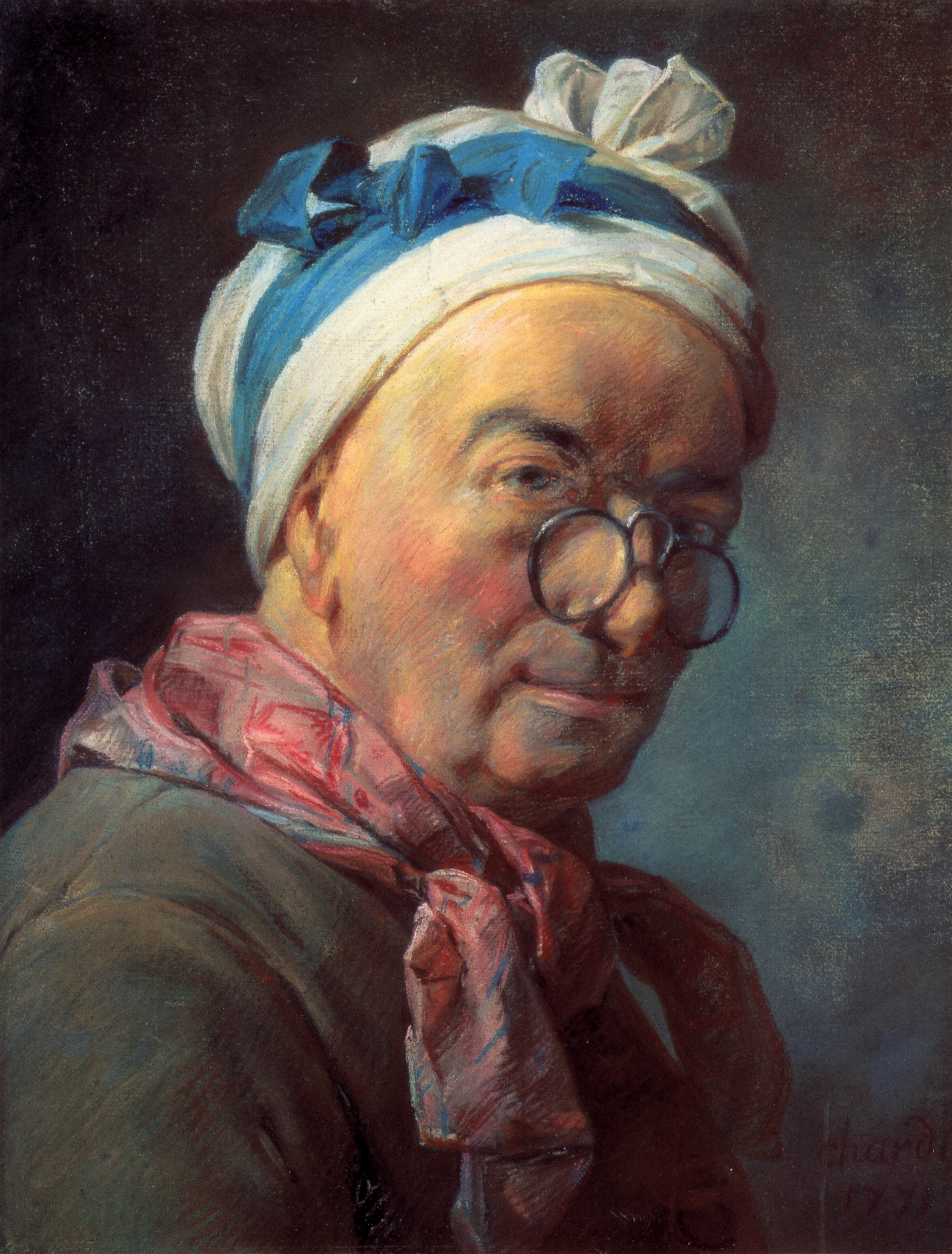
Chardin’s method involved layering opaque and translucent impastos, building surfaces of crumbly richness that captured the tactile essence of earthenware, silver, plum bloom, and wool. In his final years, struggling with failing eyesight caused by lead pigments, he pioneered radiant pastel portraits that rivaled his oils. His artistic honesty directly influenced later masters from Édouard Manet and Paul Cézanne to Henri Matisse, establishing him as the spiritual grandfather of modern still life painting.
Hallmark Achievements & Notable Works
- The Ray (La Raie, 1728)
- Saying Grace (Le Bénédicité)
- The Soap Bubble
- The Copper Drinking Fountain
- The Governess
Cultural Resonance & Global Impact
The contributions of Jean-Siméon Chardin continue to inspire millions across France and the international community. Whether pioneering artistic forms, defending human rights, or demonstrating unparalleled leadership, their life serves as a timeless masterclass in human dedication.
As we celebrate November 2, we honor not only their recorded achievements but also the enduring standard of courage, intellect, and creativity they gifted to future generations.